I USED A SONY FX30 CAMERA
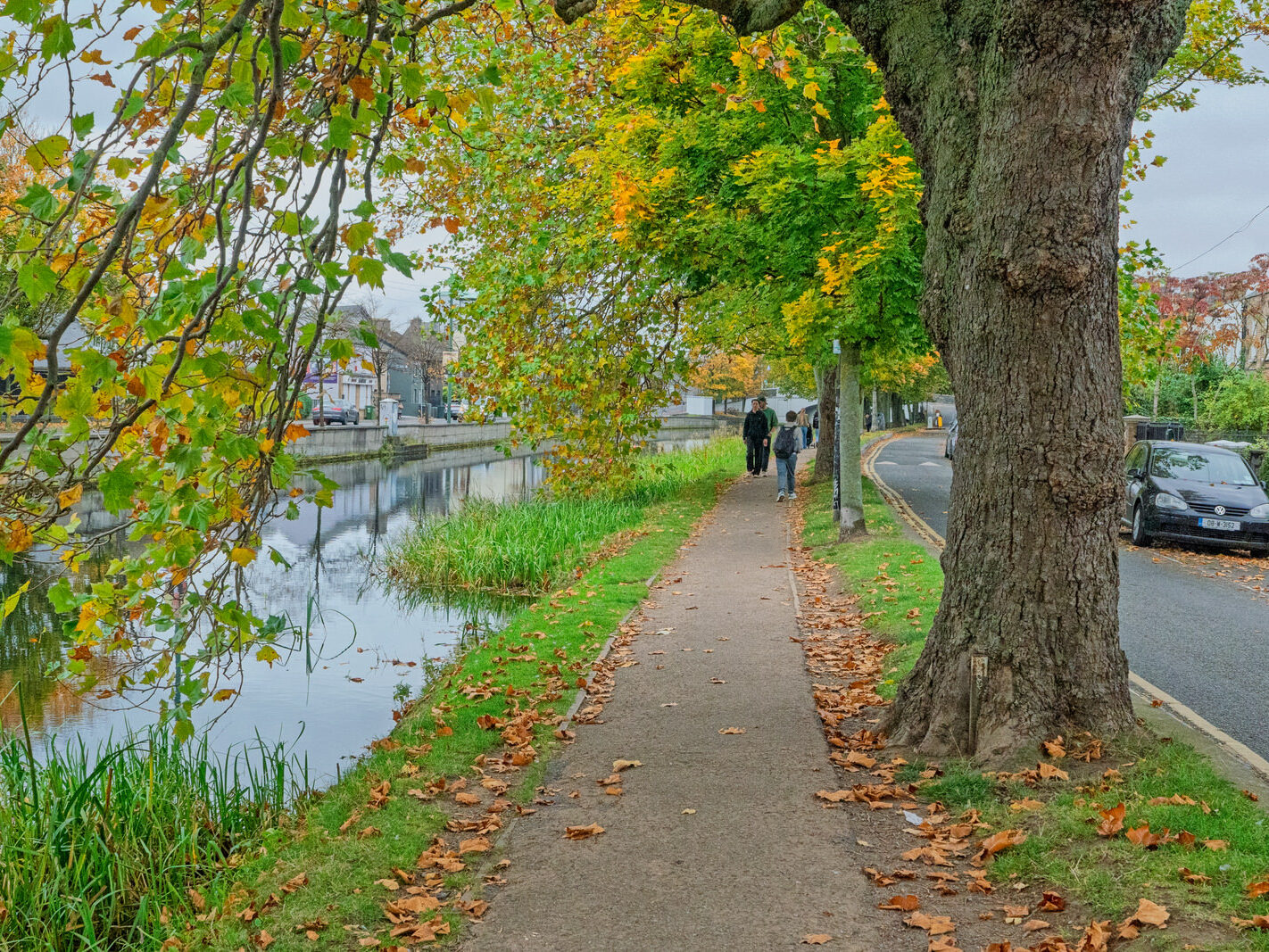
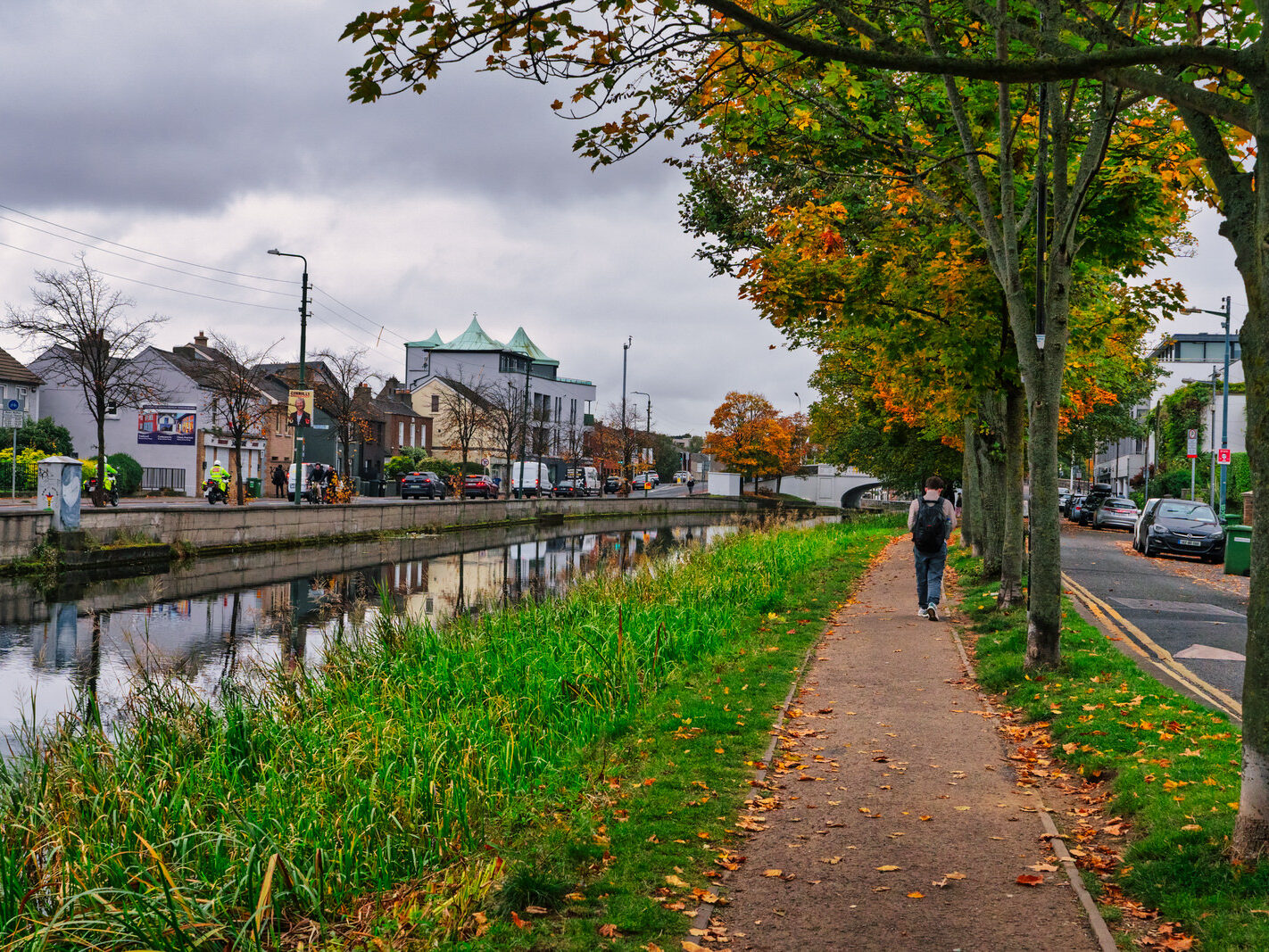
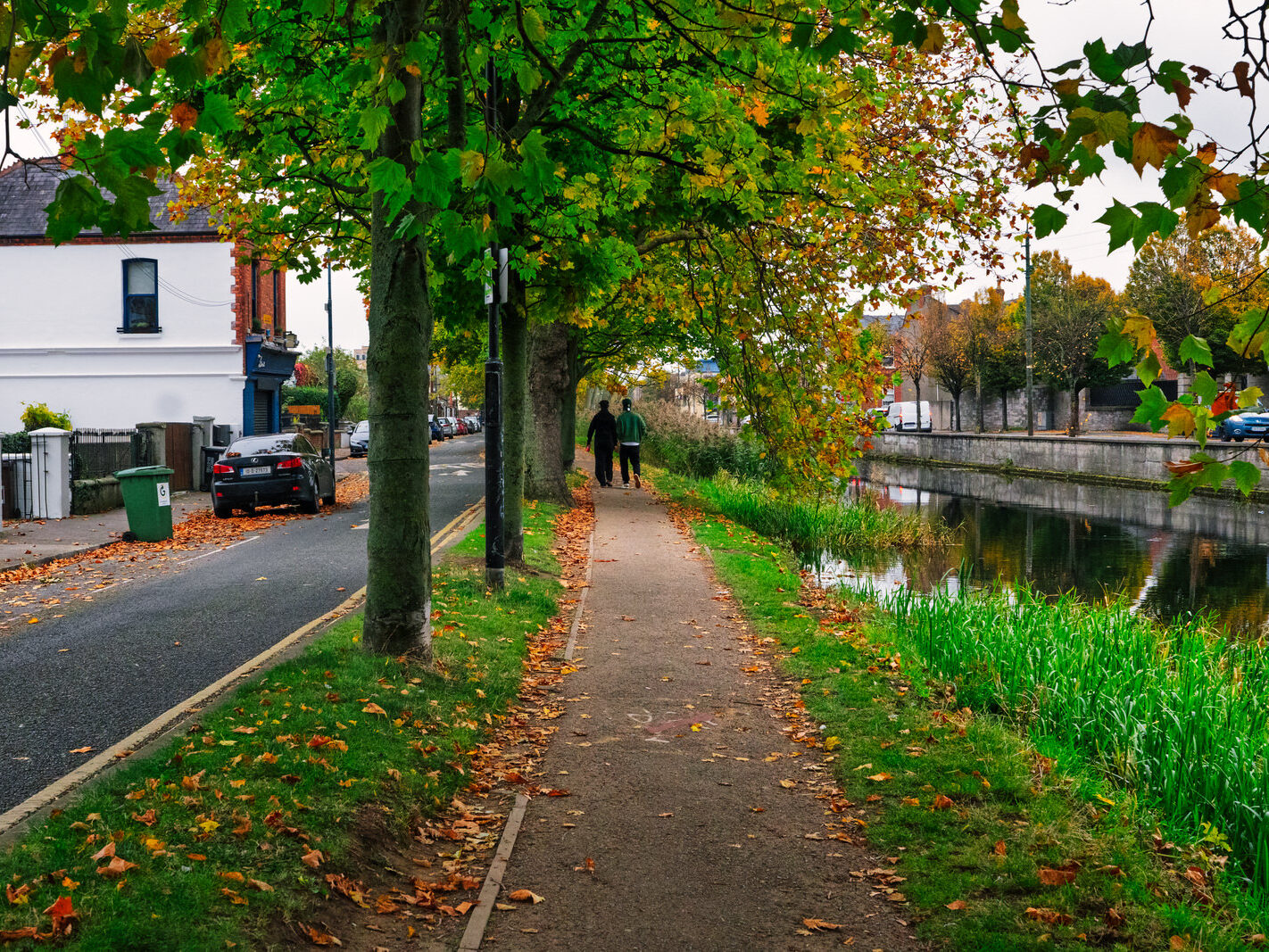
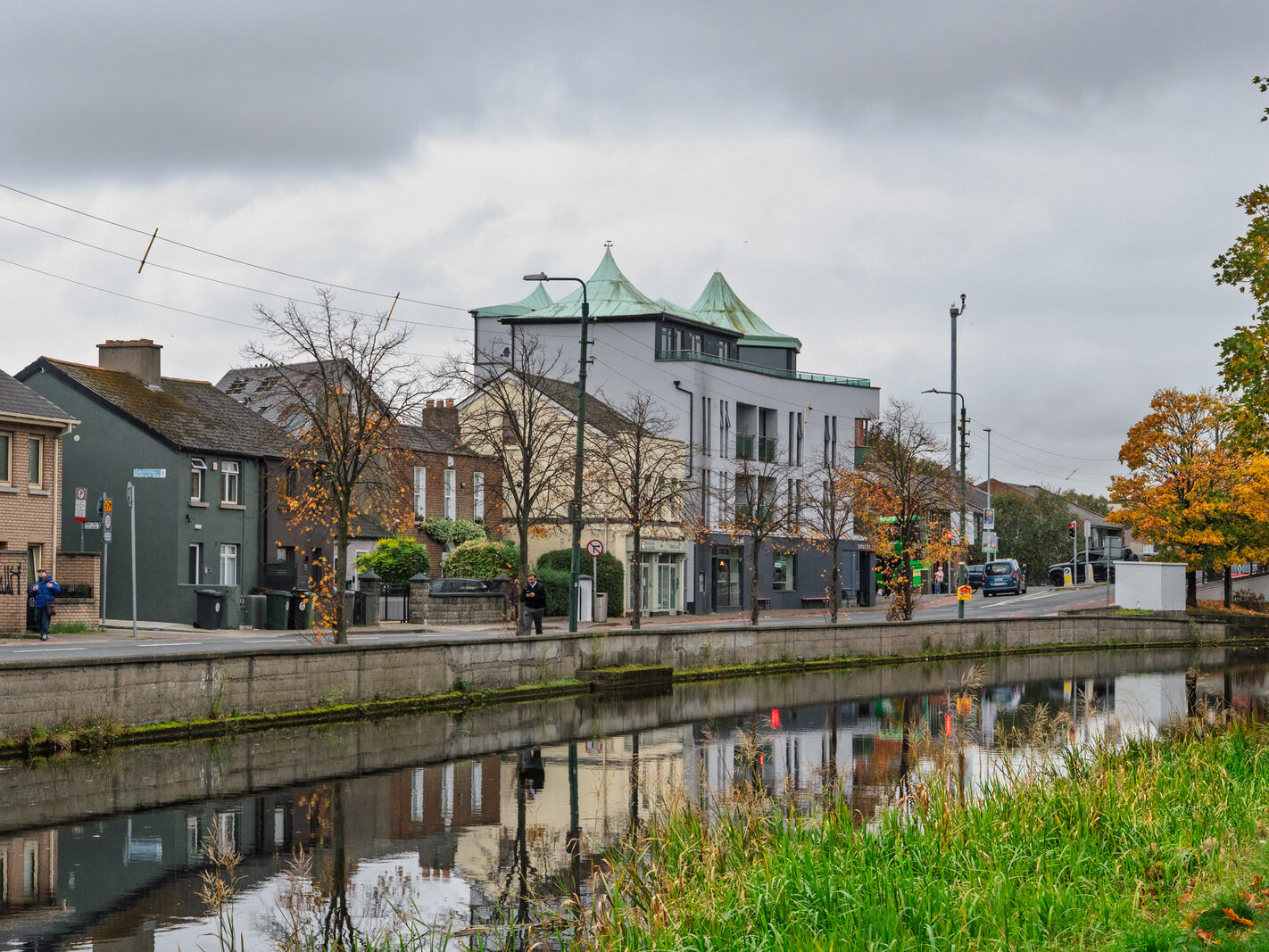
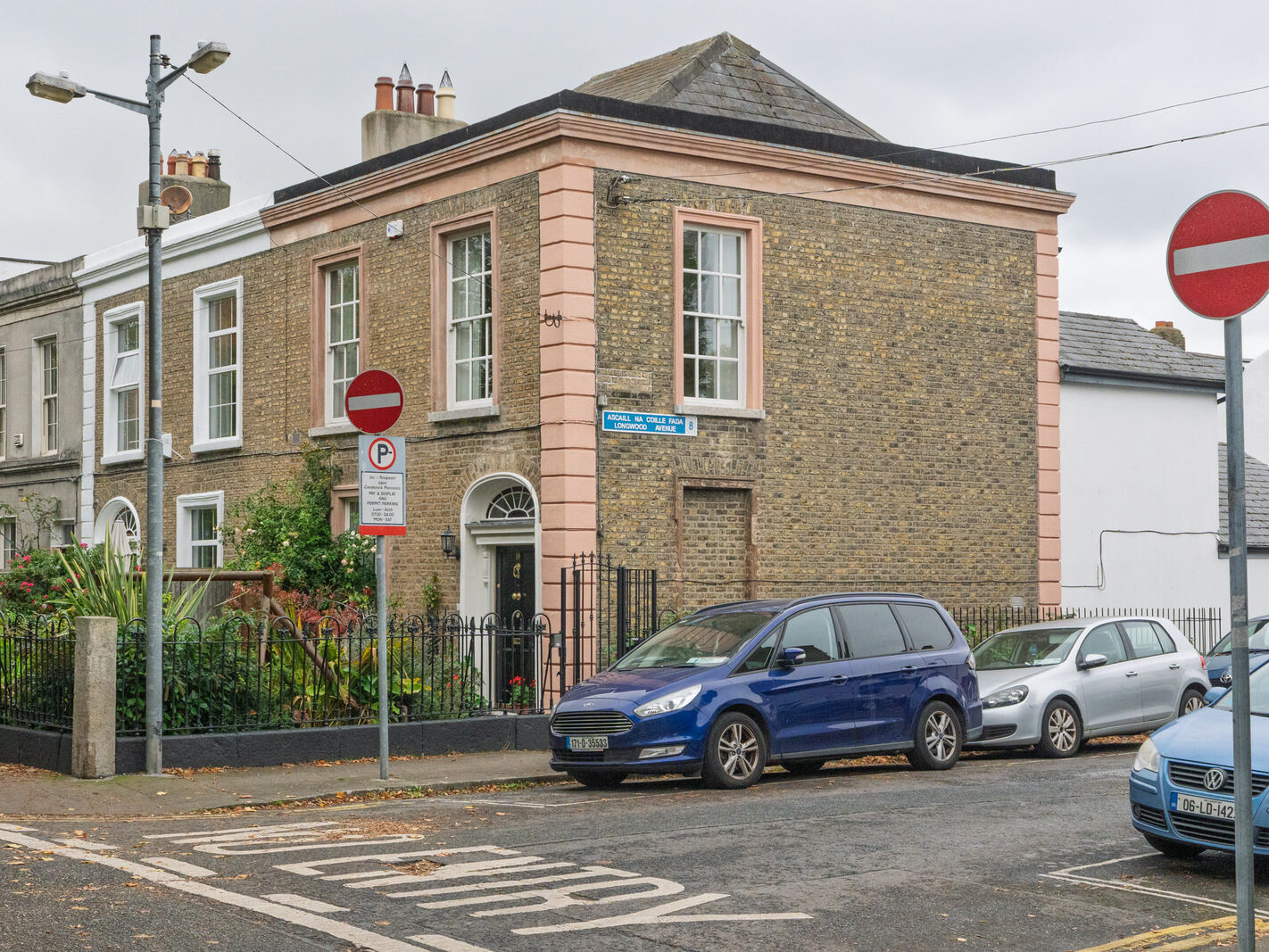
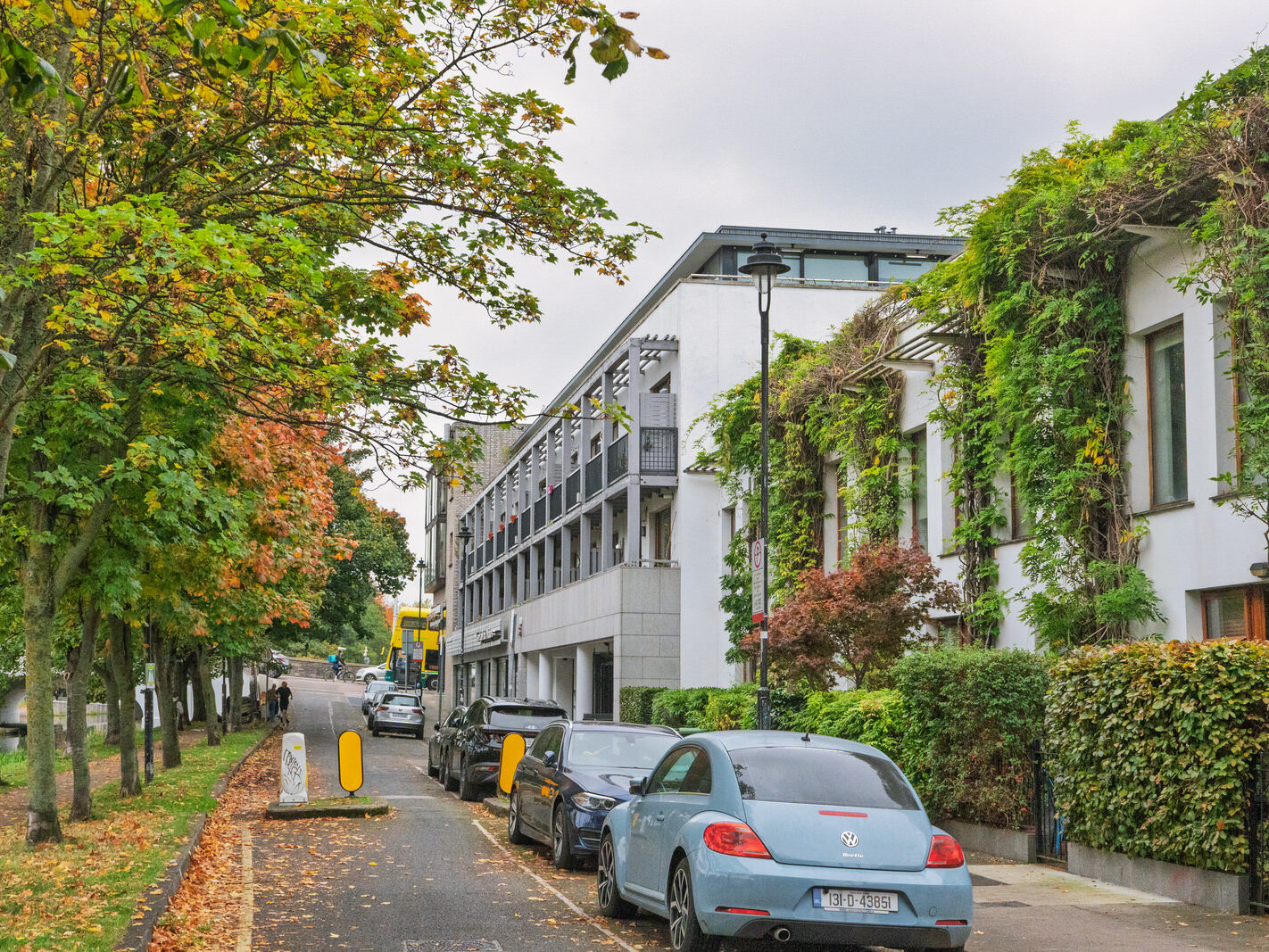
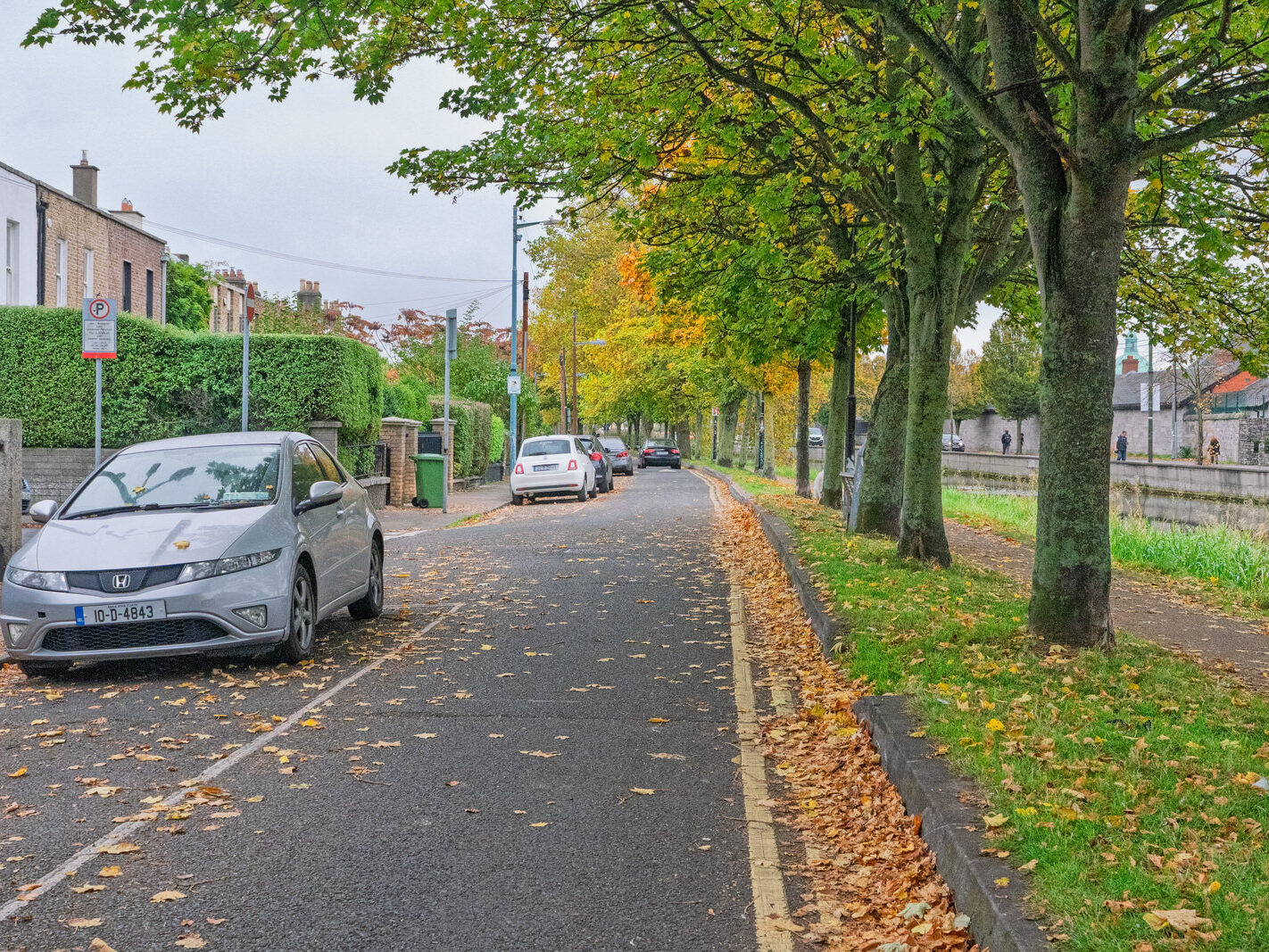
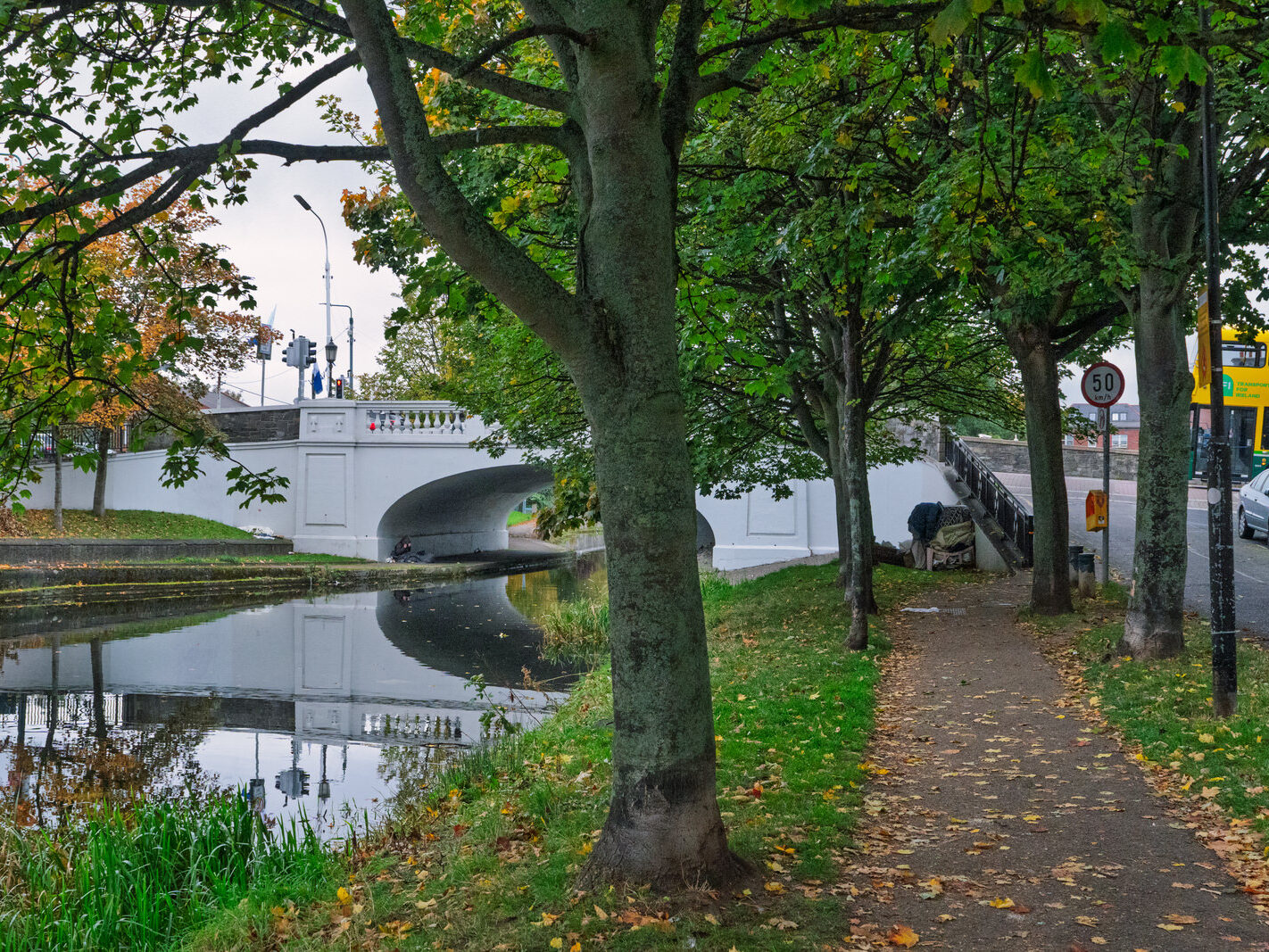
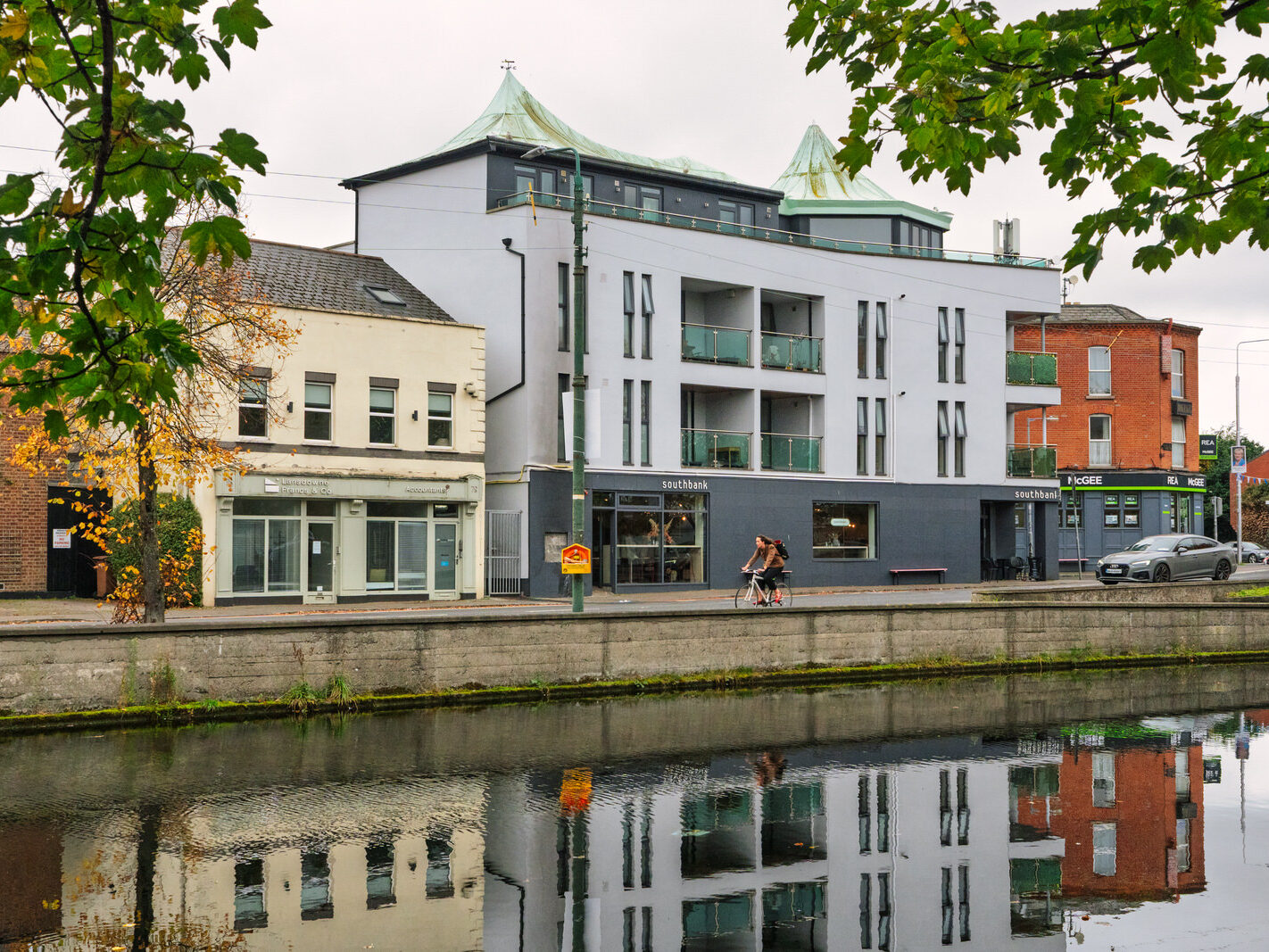
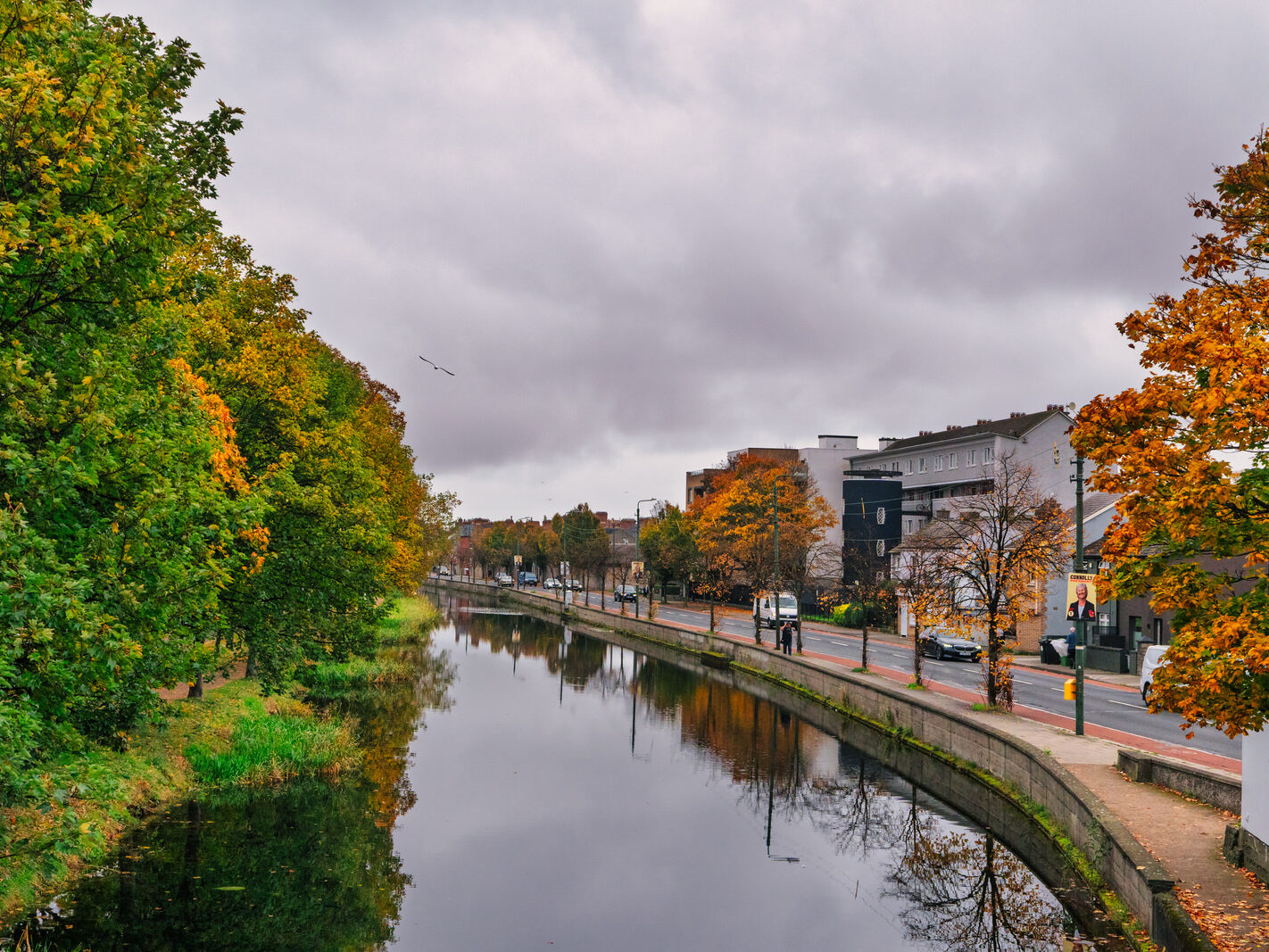
Windsor Terrace, nestled in the heart of Dublin’s vibrant Portobello district, is a handsome Victorian streetscape offering picturesque views of the Grand Canal. This sought-after residential area is characterised by its period architecture, rich history, and proximity to the city centre.
A Glimpse into the Past
The development of Windsor Terrace is intrinsically linked to the expansion of Dublin in the 19th century and the construction of the Grand Canal, which was completed in 1797. The canal spurred residential development in the surrounding areas, and streets like Windsor Terrace were laid out in the early 1800s. The houses, built circa 1845, were speculative ventures, resulting in charming groupings of similar, yet not identical, terraced homes.
The broader Portobello area has a fascinating history. In the late 19th and early 20th centuries, it became the heart of Dublin’s Jewish community, earning it the nickname “Little Jerusalem.” This cultural heritage adds another layer to the rich tapestry of the neighbourhood.
Architectural Charm
The houses on Windsor Terrace are predominantly two-storey Victorian residences, many of which retain their original period features. These include handsome brickwork, intricate ceiling coving, original fireplaces, and large sash windows that flood the interiors with natural light. The restrained yet elegant facades are often enhanced by decorative fanlights over the doors and cast-iron railings enclosing the front gardens. Many of these properties have been lovingly maintained and, in some cases, modernised to blend period elegance with contemporary living.
Life in Portobello
Today, Windsor Terrace is a prime residential location within the fashionable Portobello neighbourhood. Its tranquil setting along the canal offers a peaceful retreat from the hustle and bustle of the city, while still being just a short stroll from the vibrant amenities of areas like Camden Street.
The locality boasts a thriving social scene with a wide array of independent cafés, acclaimed restaurants, and traditional pubs. The Grand Canal provides a scenic backdrop for leisurely walks and a cherished local amenity. The area is well-served by public transport, making it an ideal location for those who wish to enjoy the best of city living in a characterful and historic setting.
Notable Connections
While specific famous residents of Windsor Terrace itself are not widely documented, the broader Portobello area has been home to many notable figures, including the playwright George Bernard Shaw and the sixth President of Israel, Chaim Herzog. The area’s rich cultural and artistic associations continue to attract a diverse and creative community.
![CUFFE STREET [ON A REALLY WET DAY]-244002-1](https://excellentstreetimages.com/PhotoniqueSouthOfTheRiverLiffey/wp-content/uploads/2024/11/CUFFE-STREET-ON-A-REALLY-WET-DAY-244002-1.jpg "CUFFE STREET [ON A REALLY WET DAY]-244002-1")
![CUFFE STREET [ON A REALLY WET DAY]-243998-1](https://excellentstreetimages.com/PhotoniqueSouthOfTheRiverLiffey/wp-content/uploads/2024/11/CUFFE-STREET-ON-A-REALLY-WET-DAY-243998-1.jpg "CUFFE STREET [ON A REALLY WET DAY]-243998-1")
![CUFFE STREET [ON A REALLY WET DAY]-243999-1](https://excellentstreetimages.com/PhotoniqueSouthOfTheRiverLiffey/wp-content/uploads/2024/11/CUFFE-STREET-ON-A-REALLY-WET-DAY-243999-1.jpg "CUFFE STREET [ON A REALLY WET DAY]-243999-1")
![CUFFE STREET [ON A REALLY WET DAY]-244000-1](https://excellentstreetimages.com/PhotoniqueSouthOfTheRiverLiffey/wp-content/uploads/2024/11/CUFFE-STREET-ON-A-REALLY-WET-DAY-244000-1.jpg "CUFFE STREET [ON A REALLY WET DAY]-244000-1")
![CUFFE STREET [ON A REALLY WET DAY]-244001-1](https://excellentstreetimages.com/PhotoniqueSouthOfTheRiverLiffey/wp-content/uploads/2024/11/CUFFE-STREET-ON-A-REALLY-WET-DAY-244001-1.jpg "CUFFE STREET [ON A REALLY WET DAY]-244001-1")