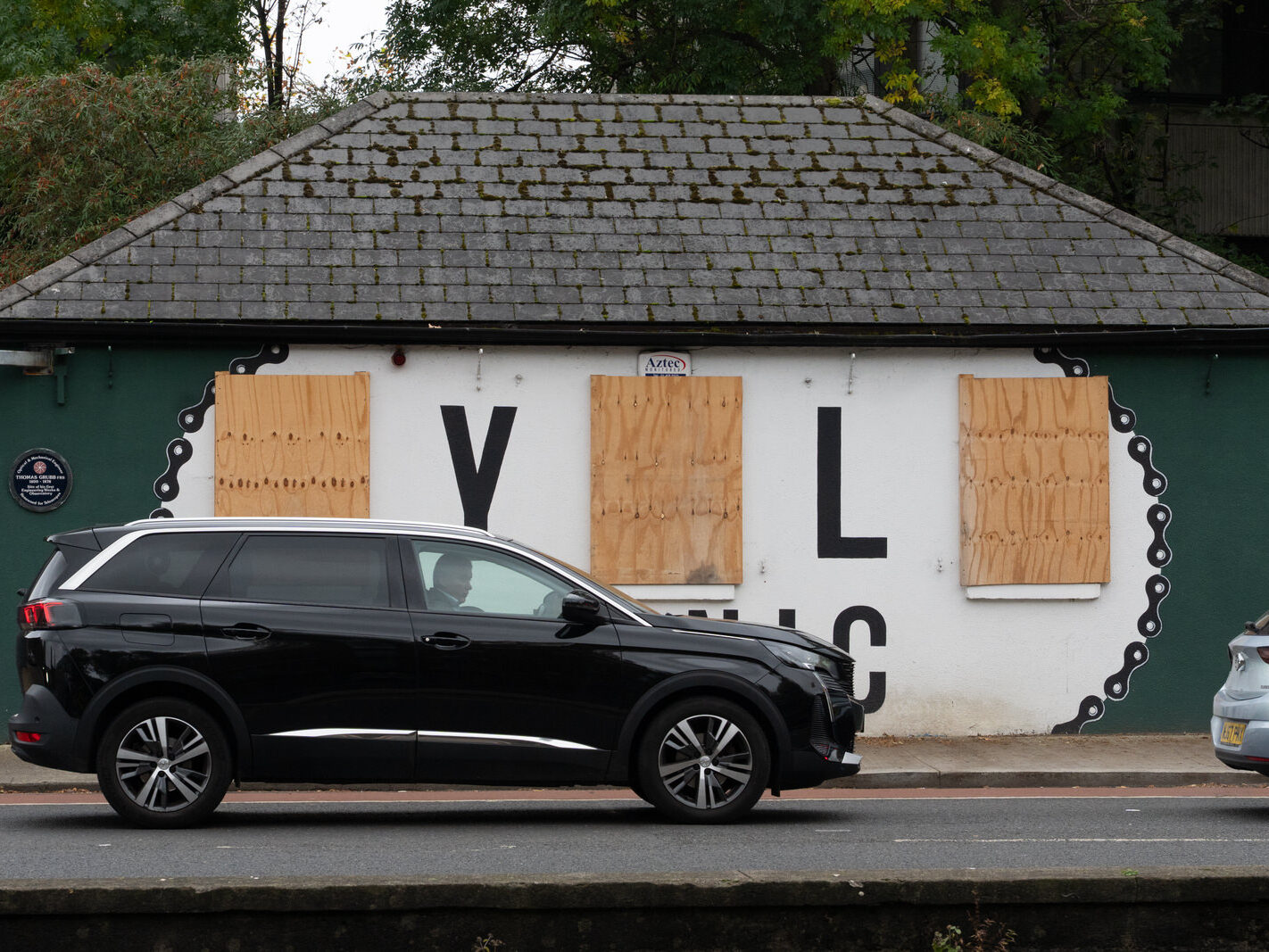
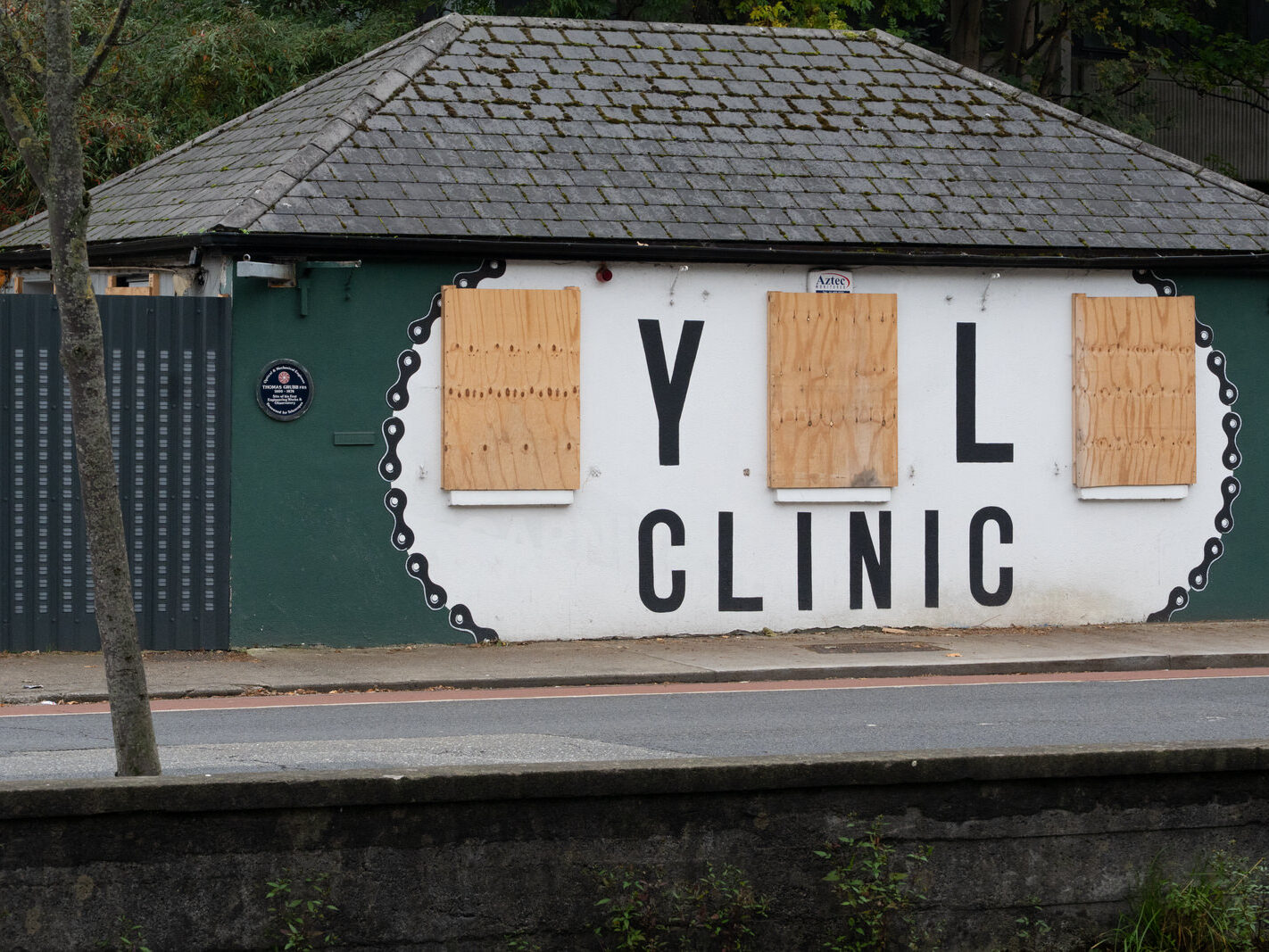
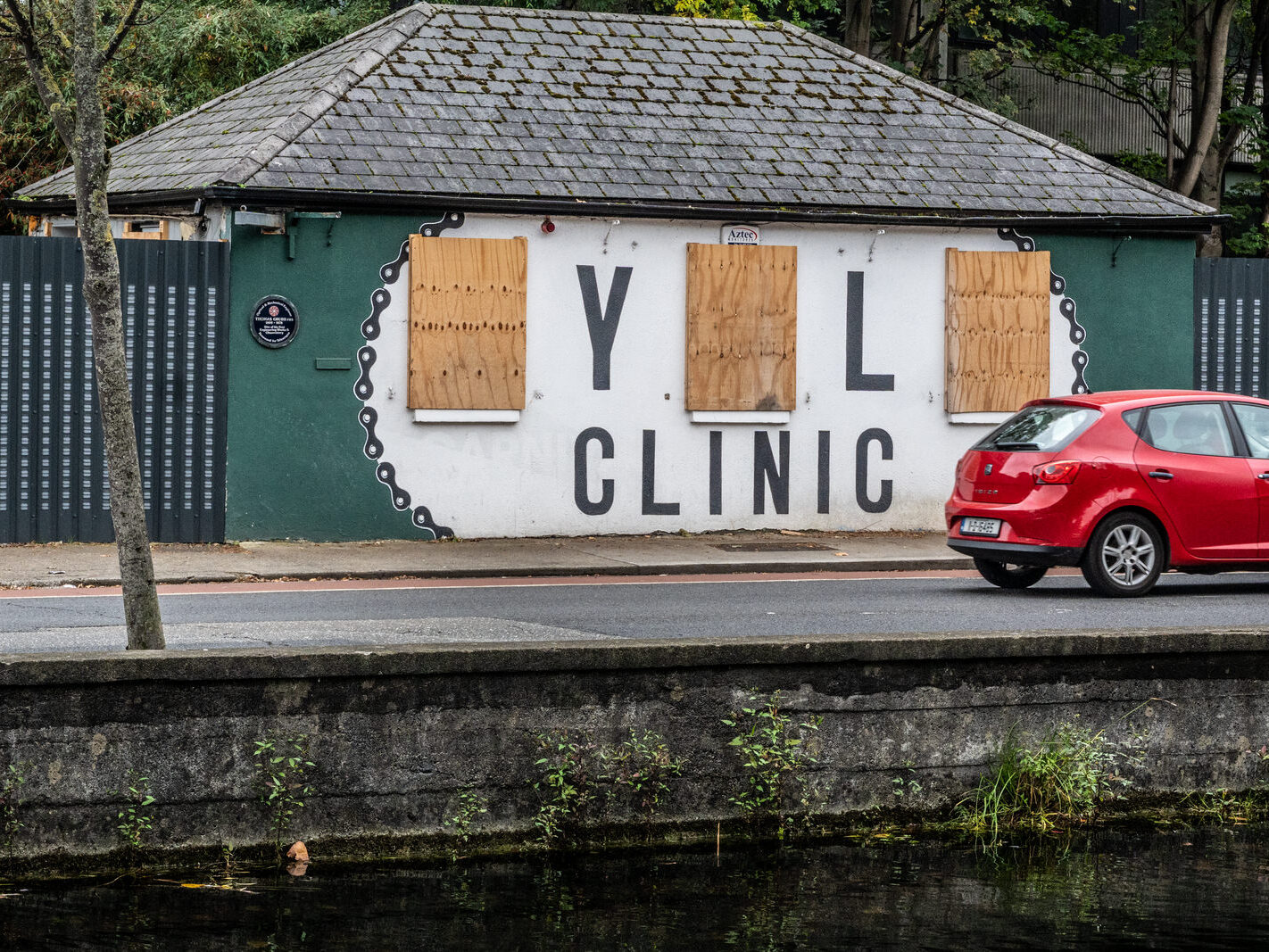
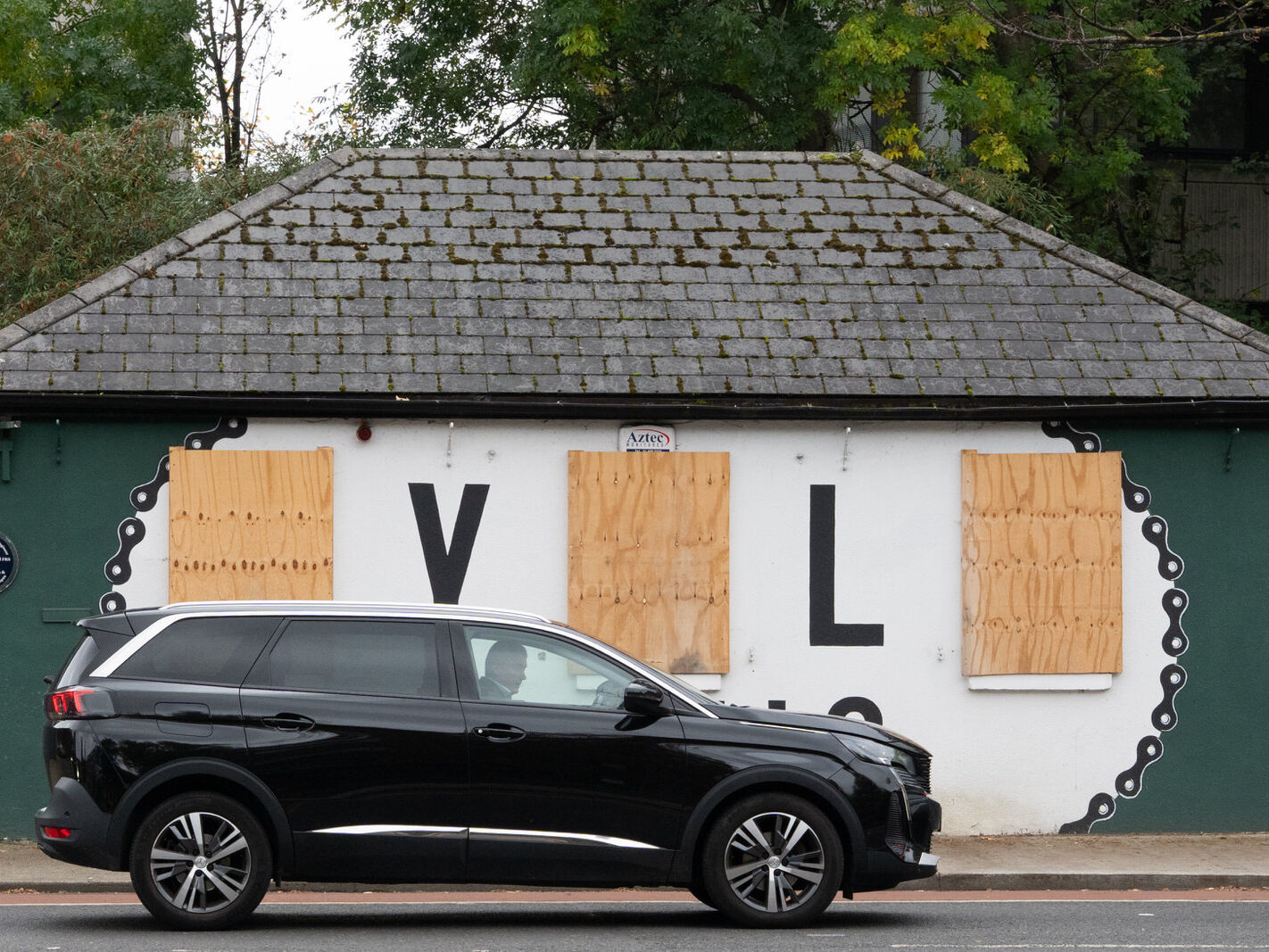
PHOTOGRAPHED 14 OCTOBER USING A SONY FX30
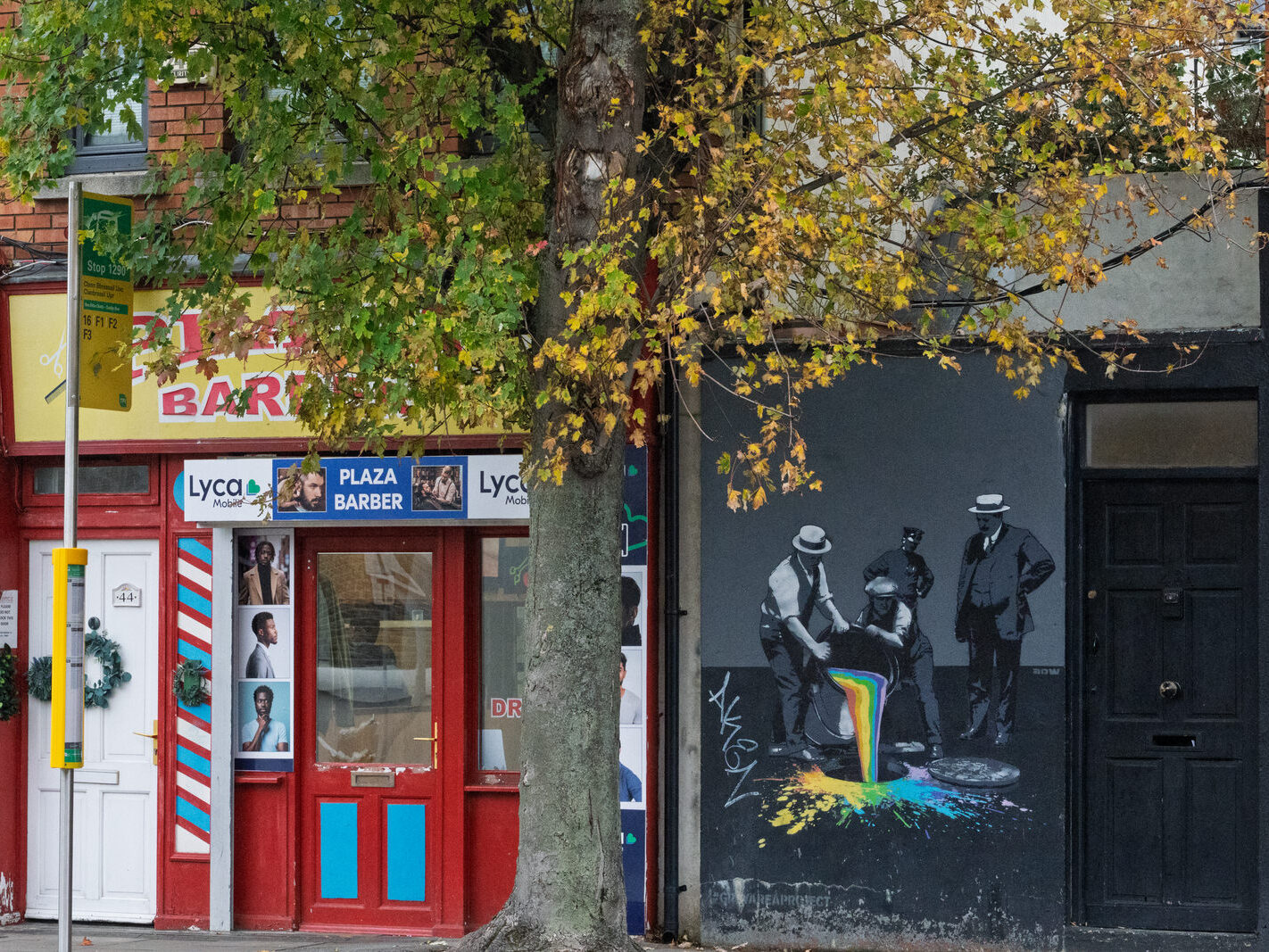
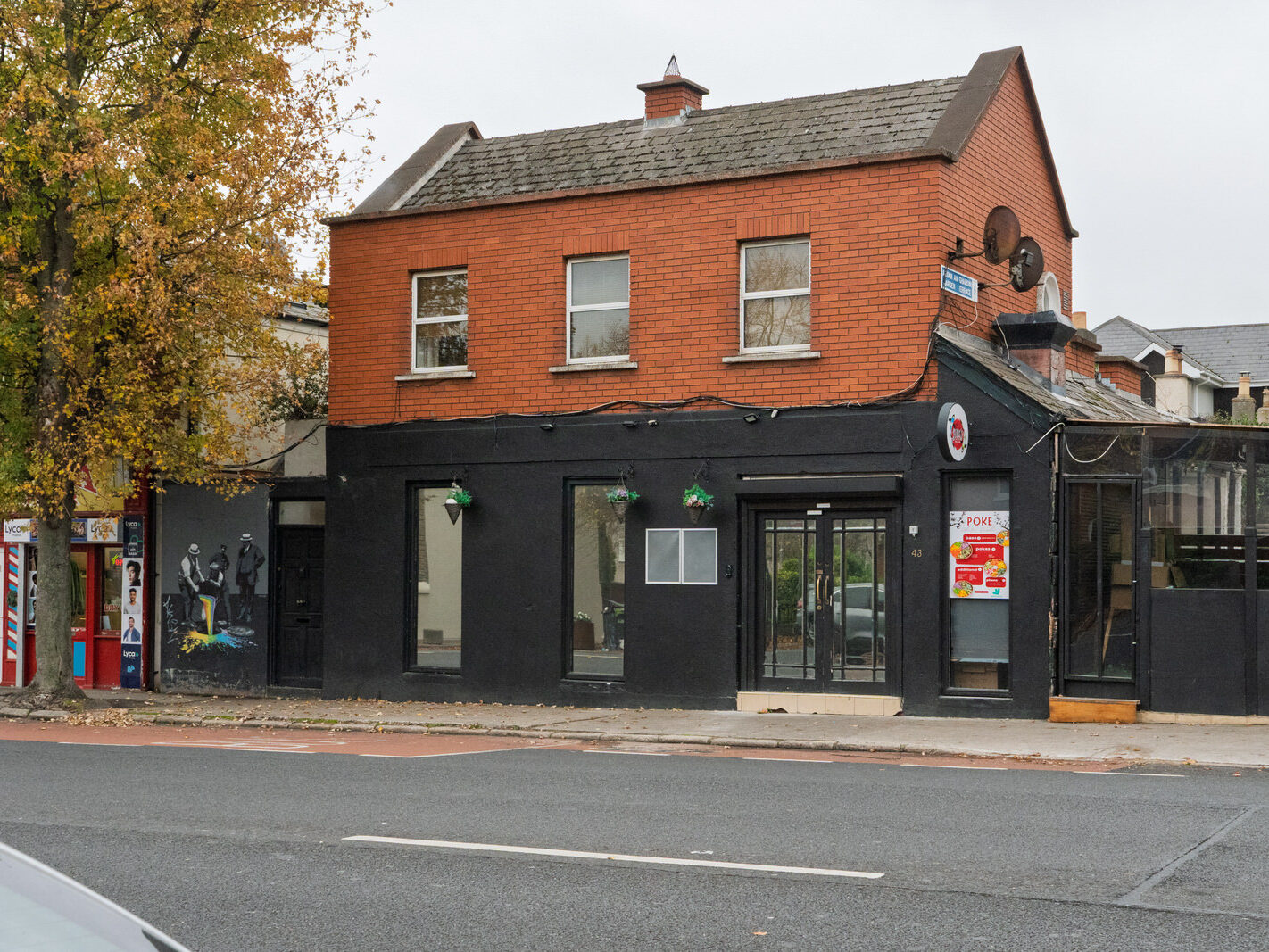
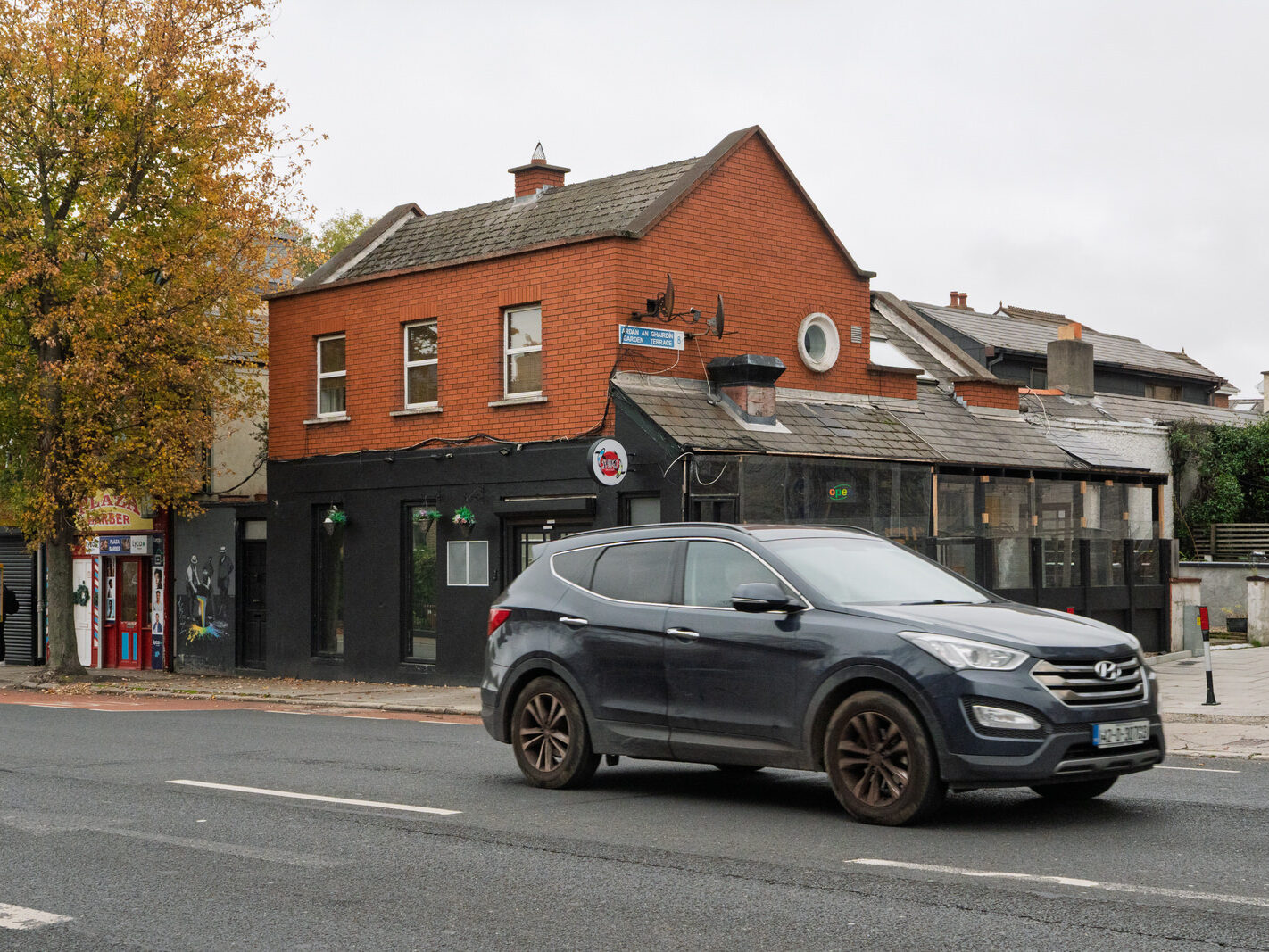
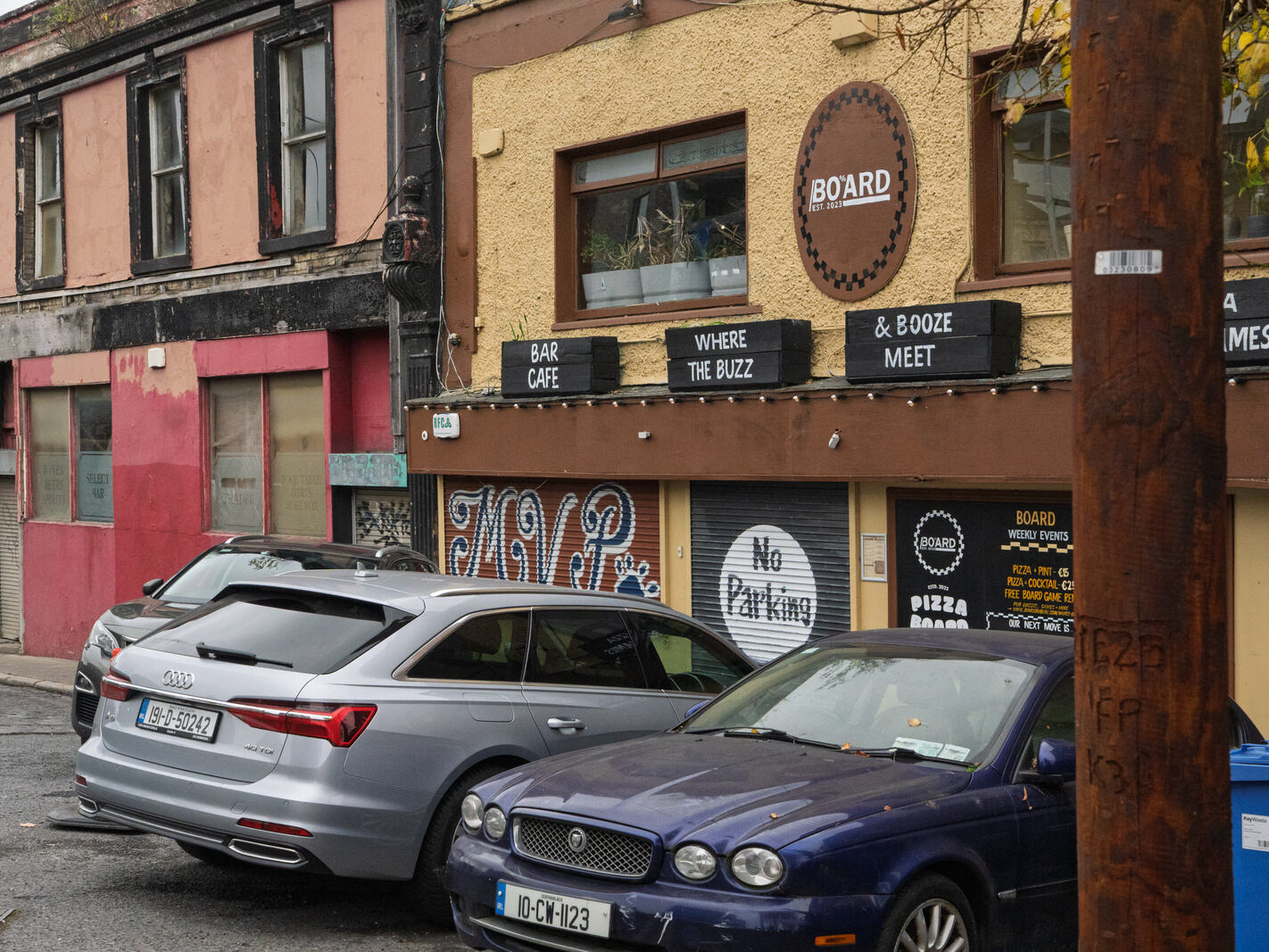
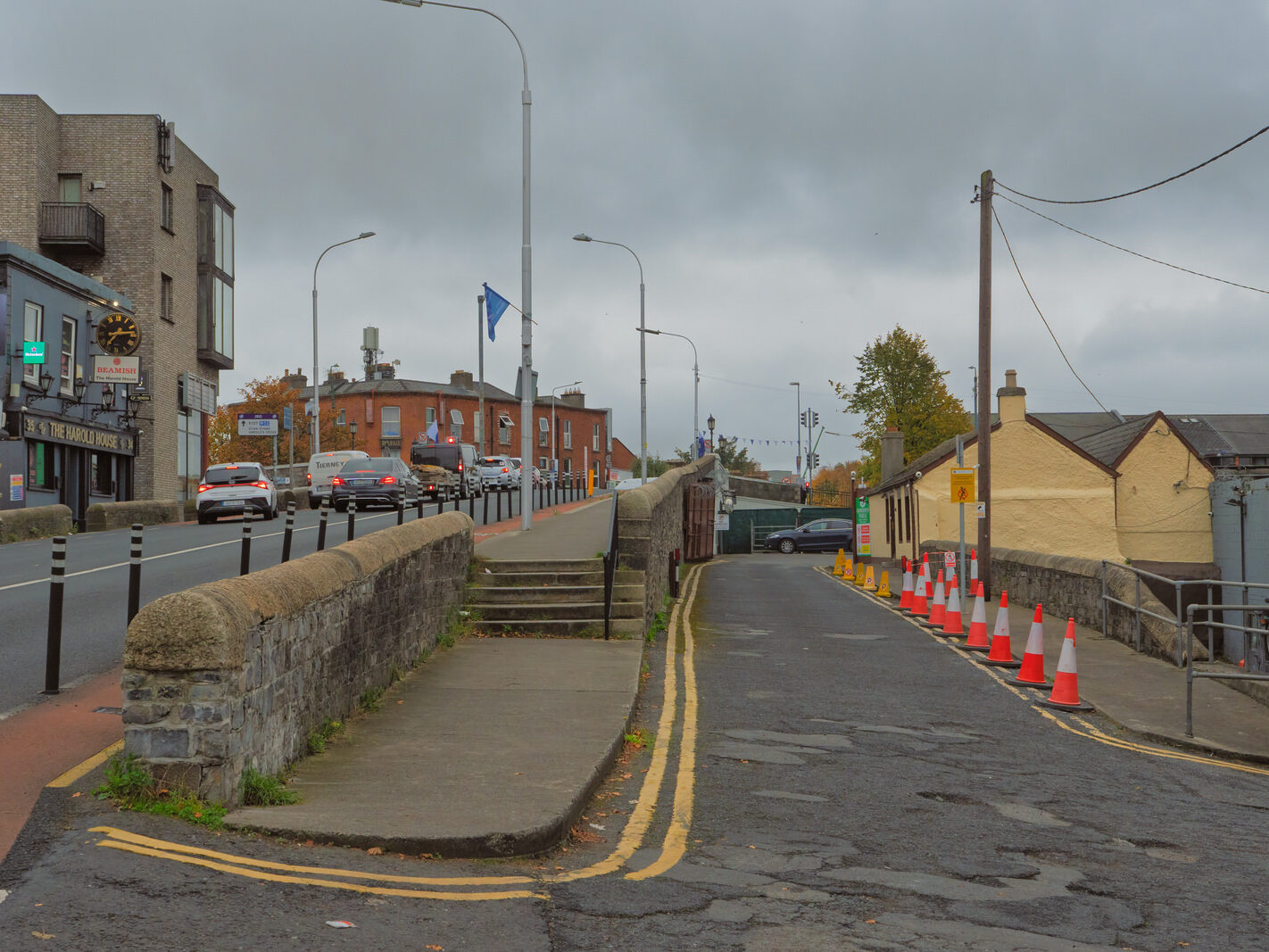
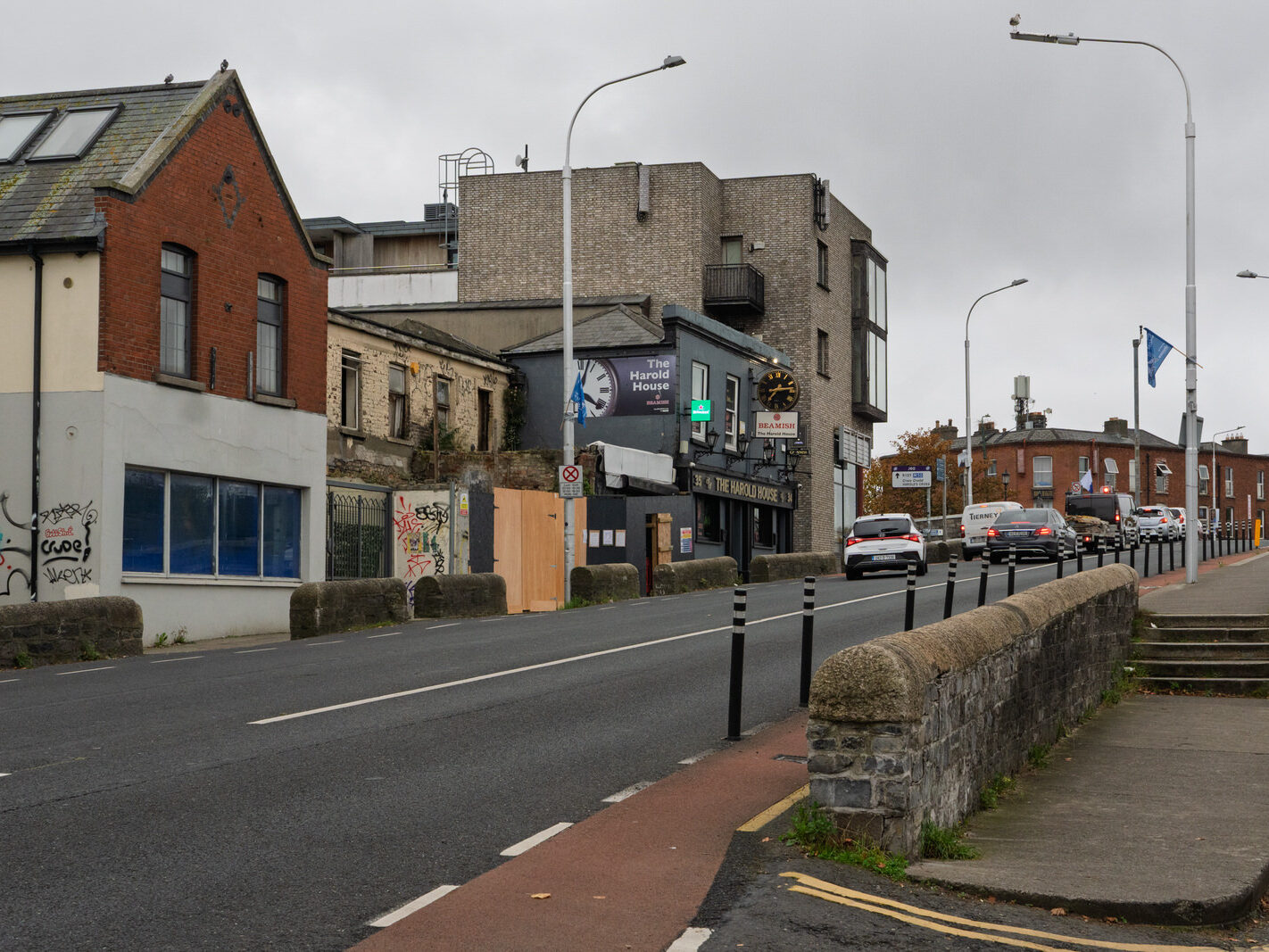
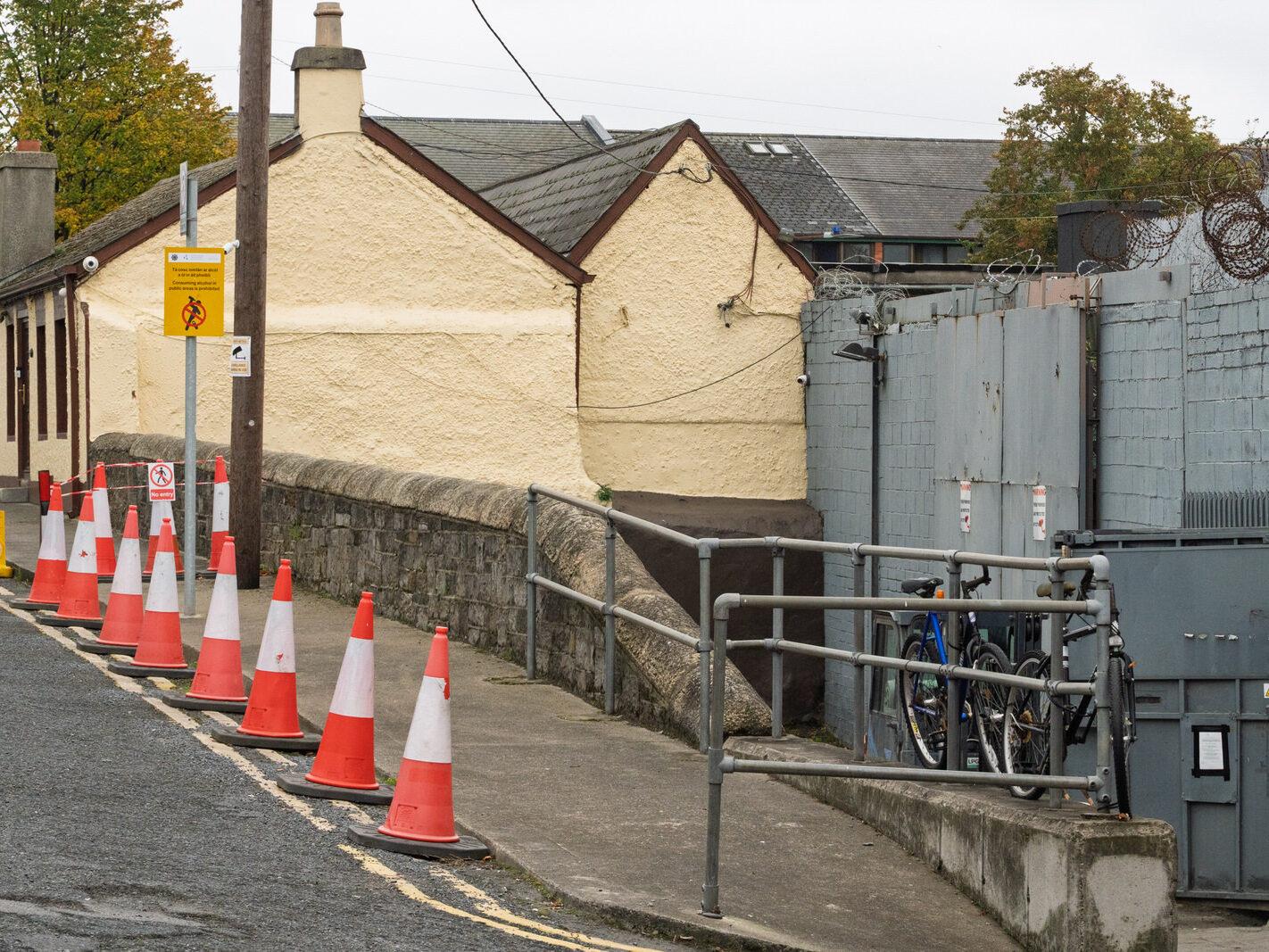
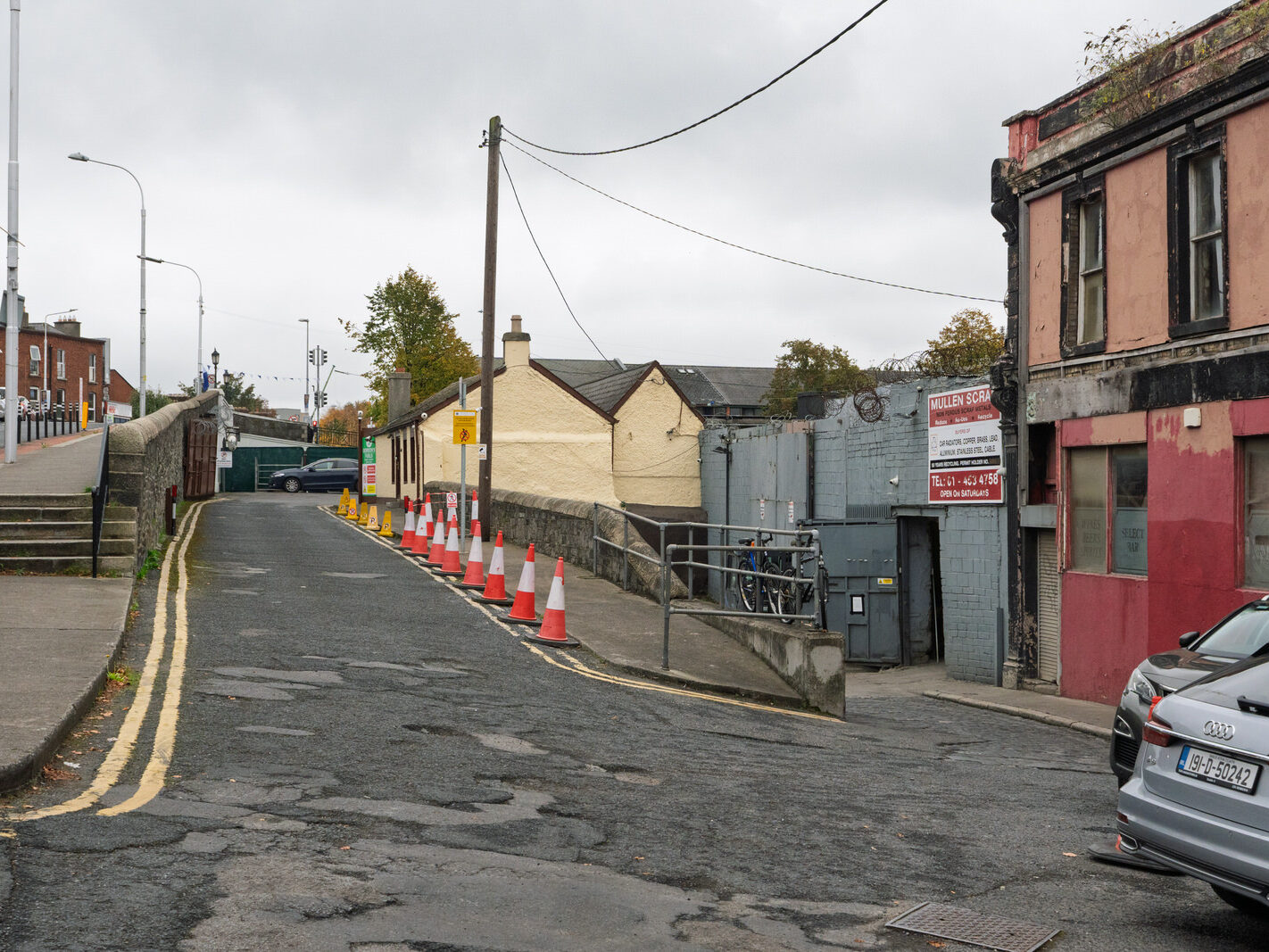
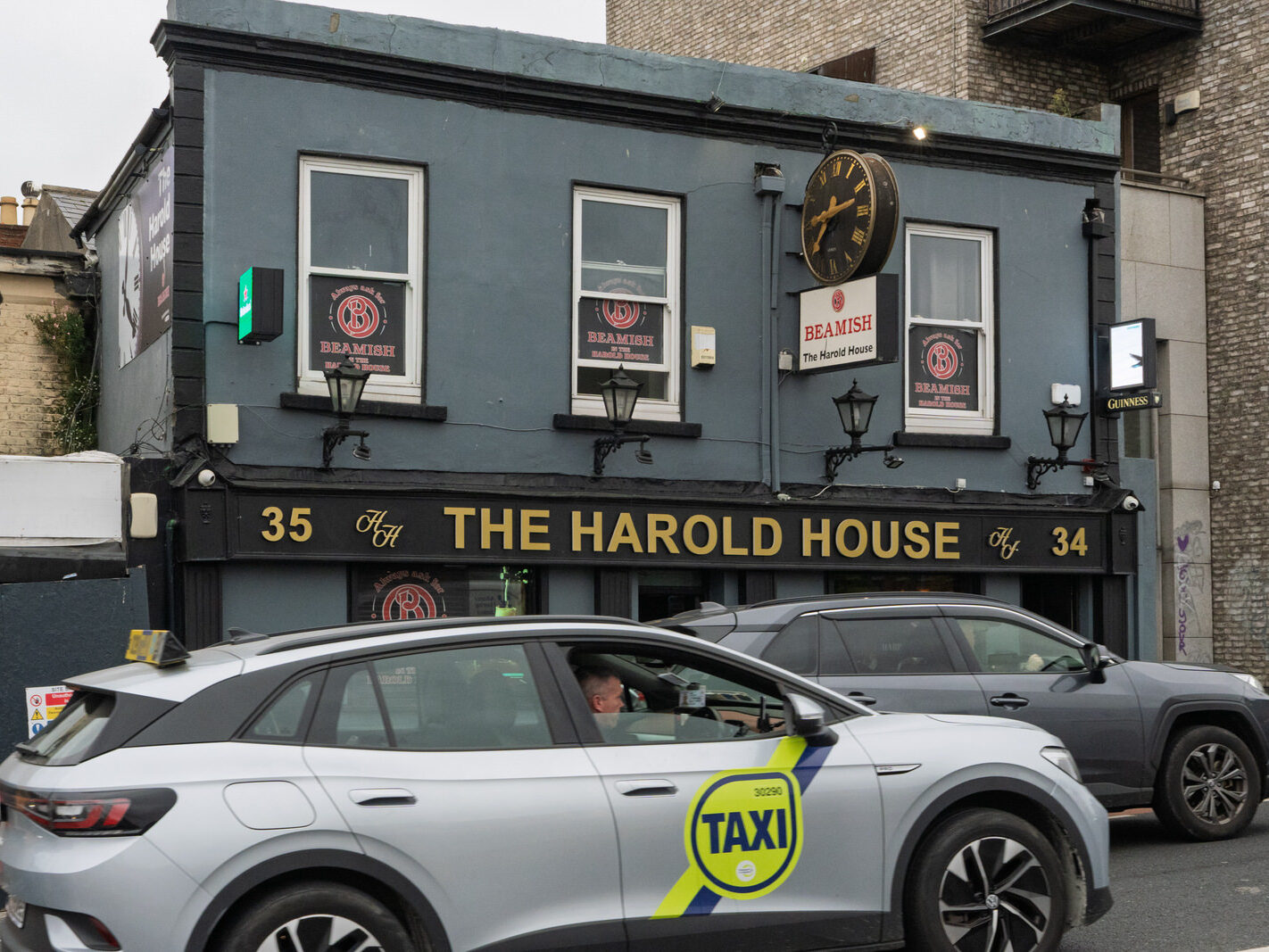
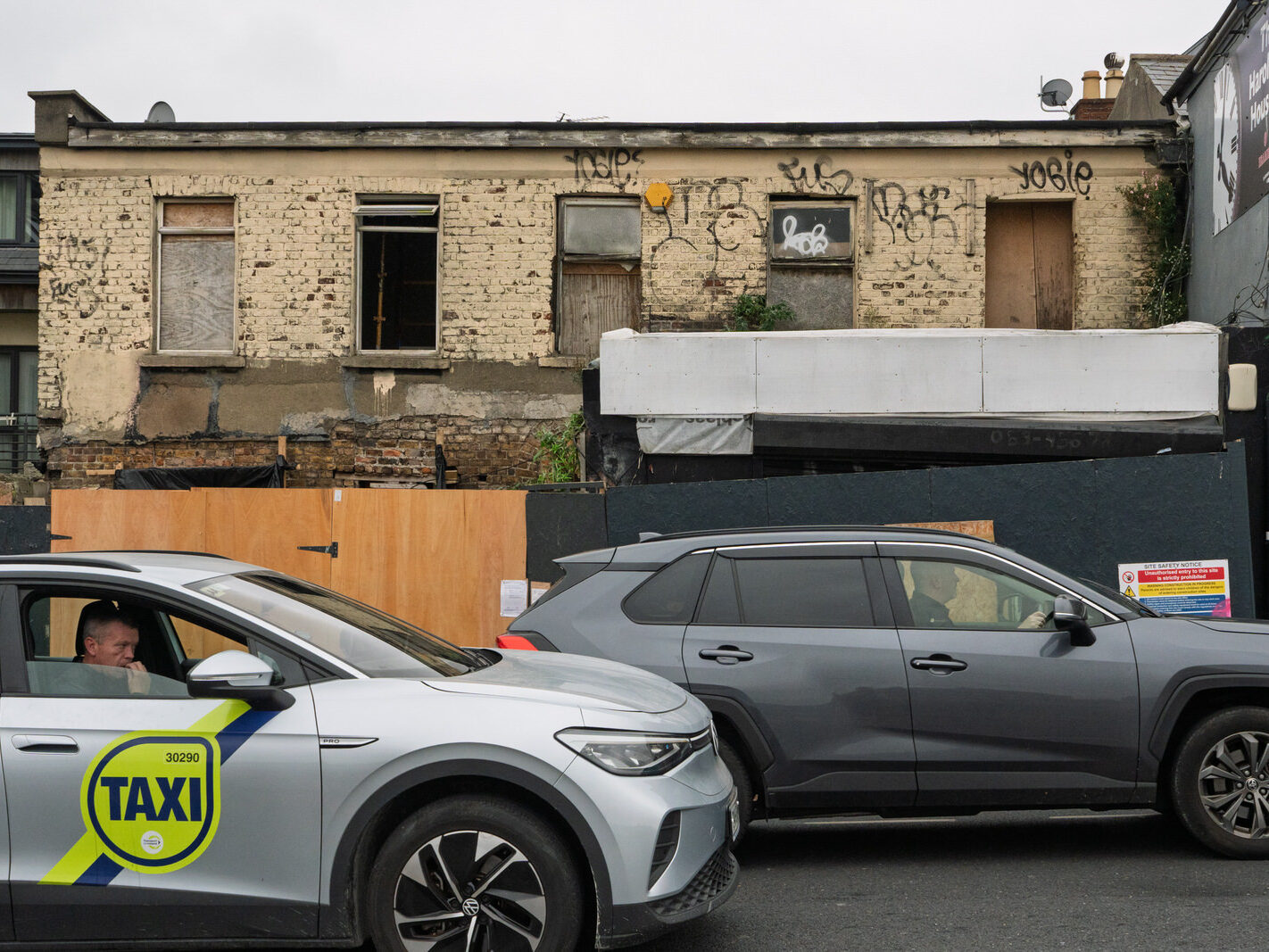
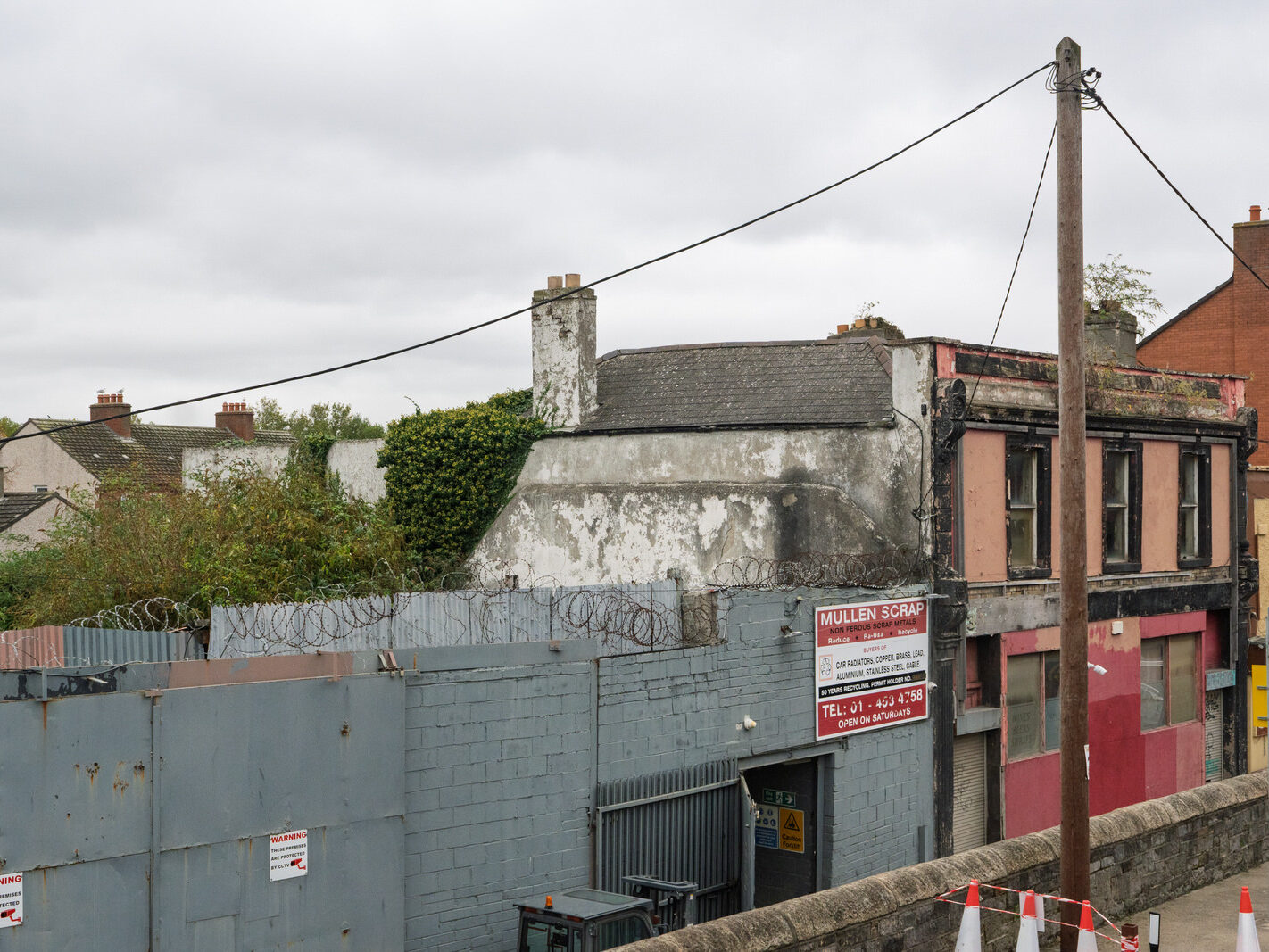
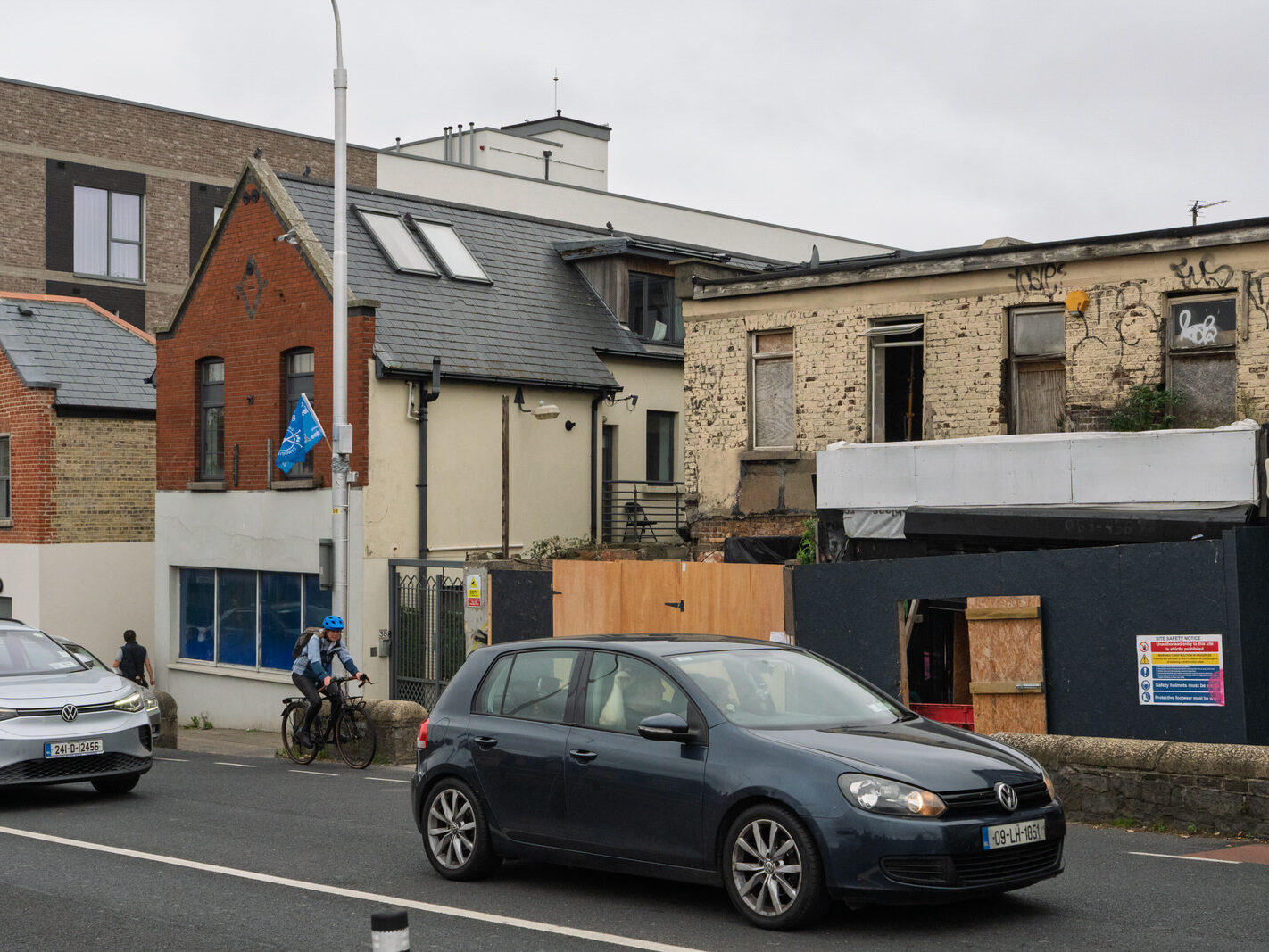
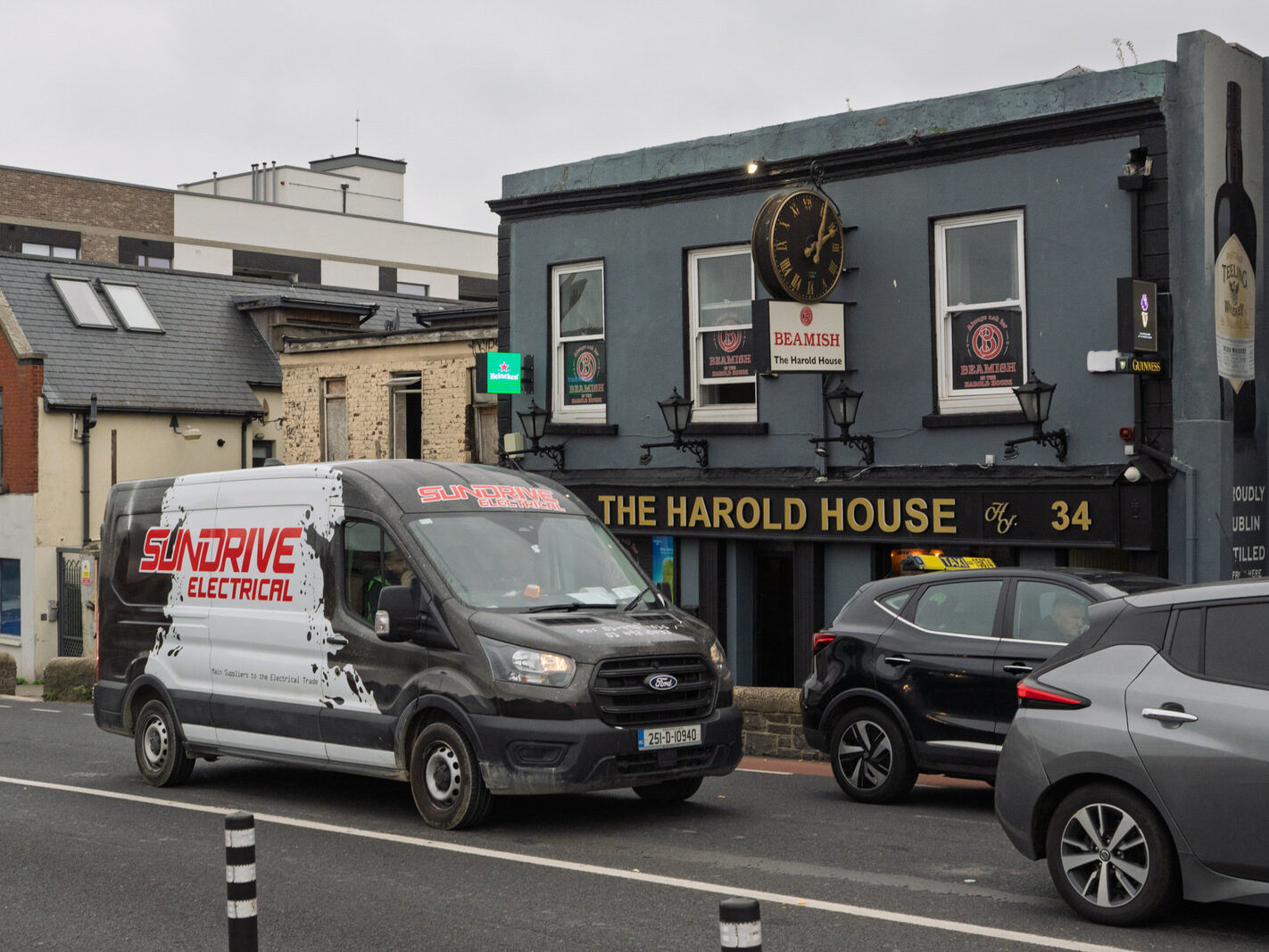
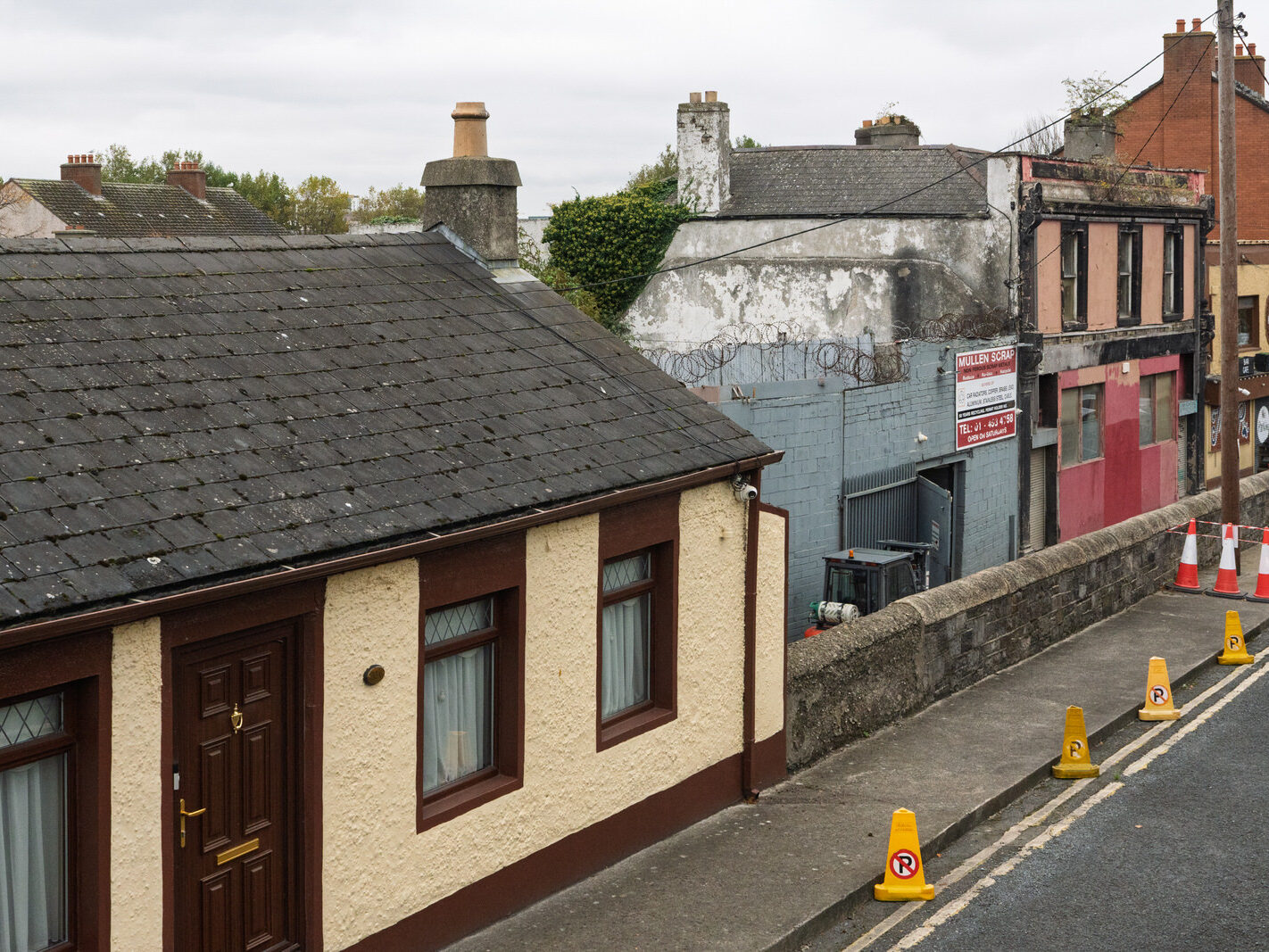
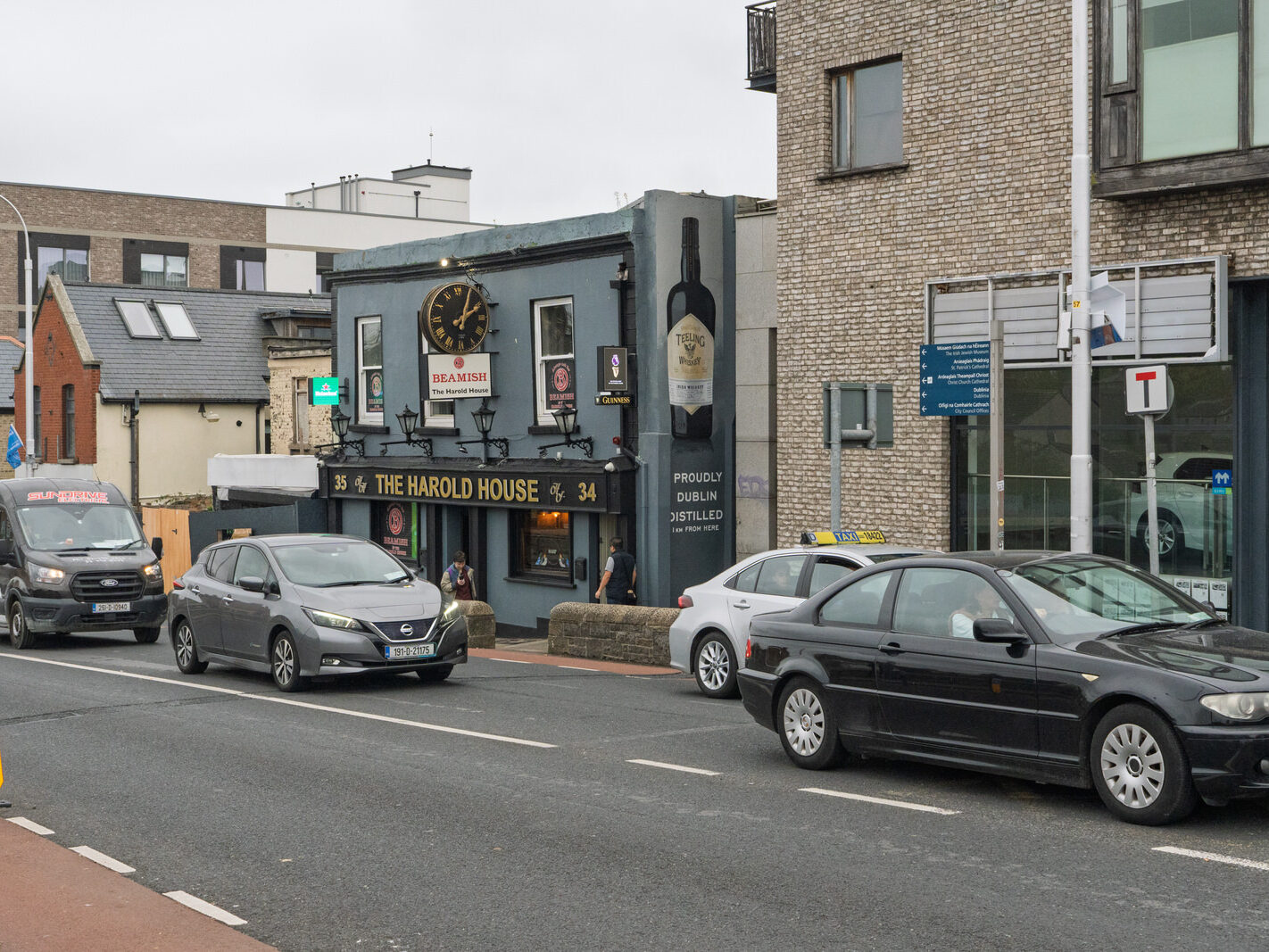
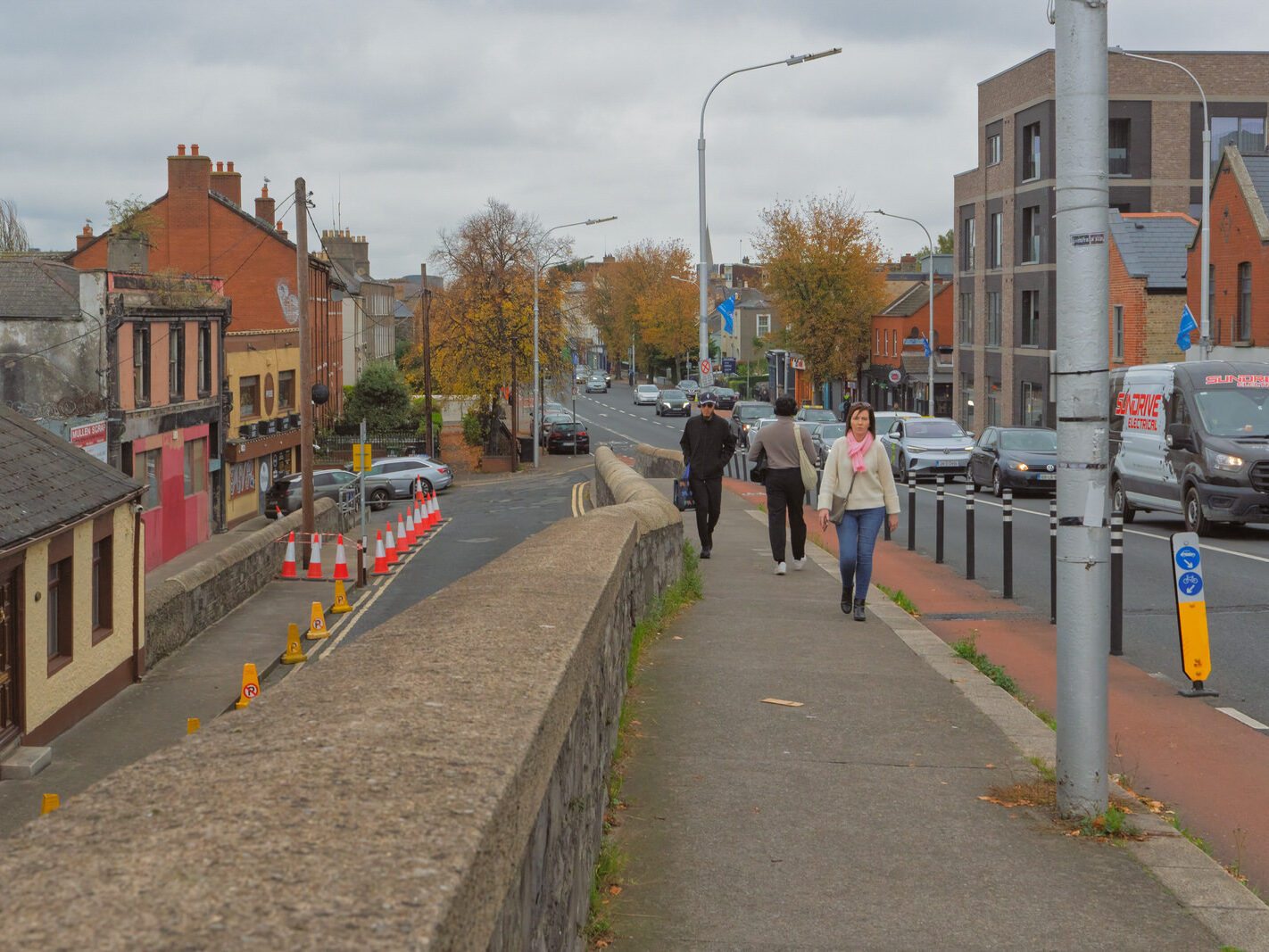
As my F30 camera reset during a firmware update some of the photographed may be incorrectly date stamped 01-01-2022.
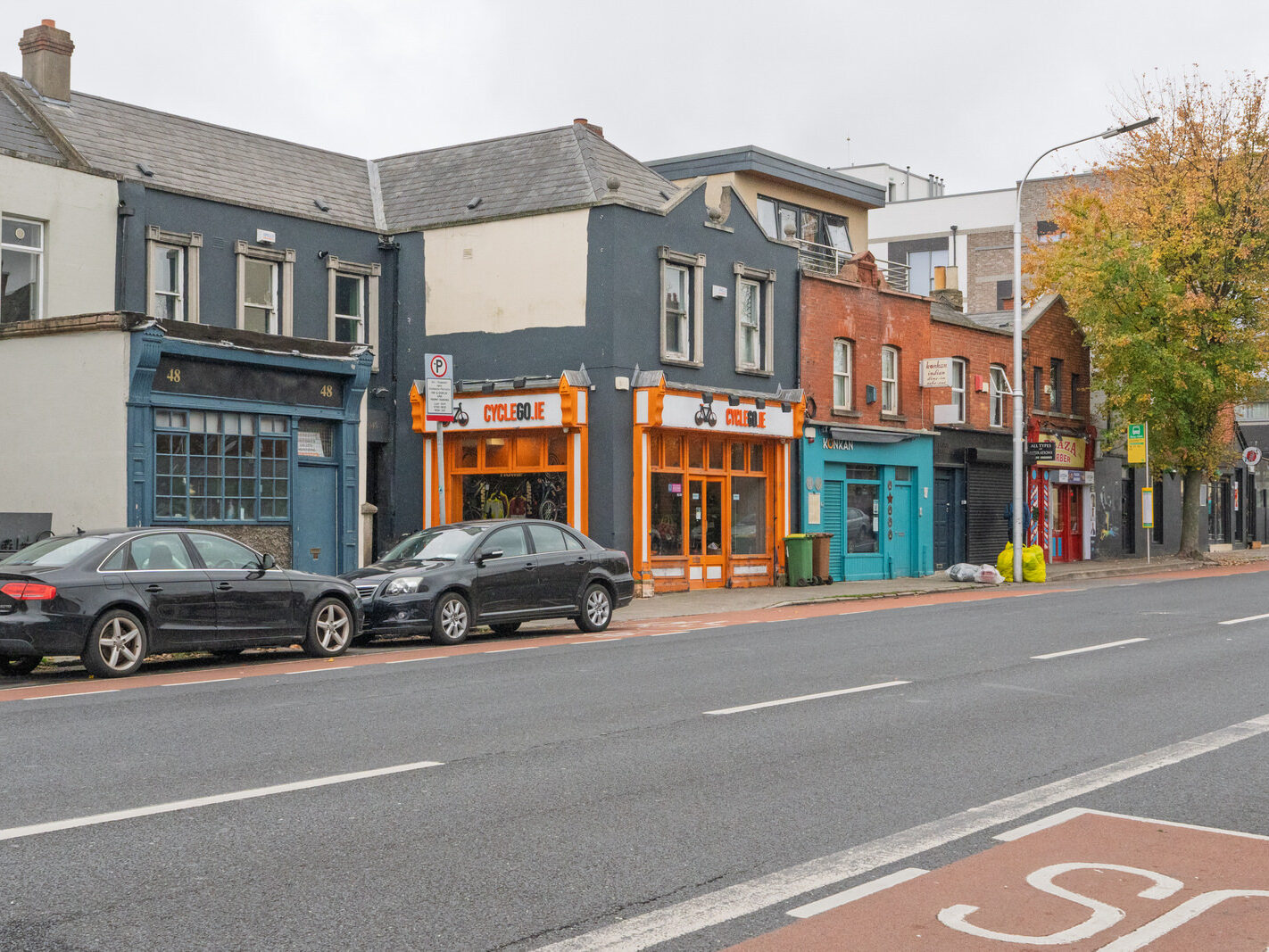
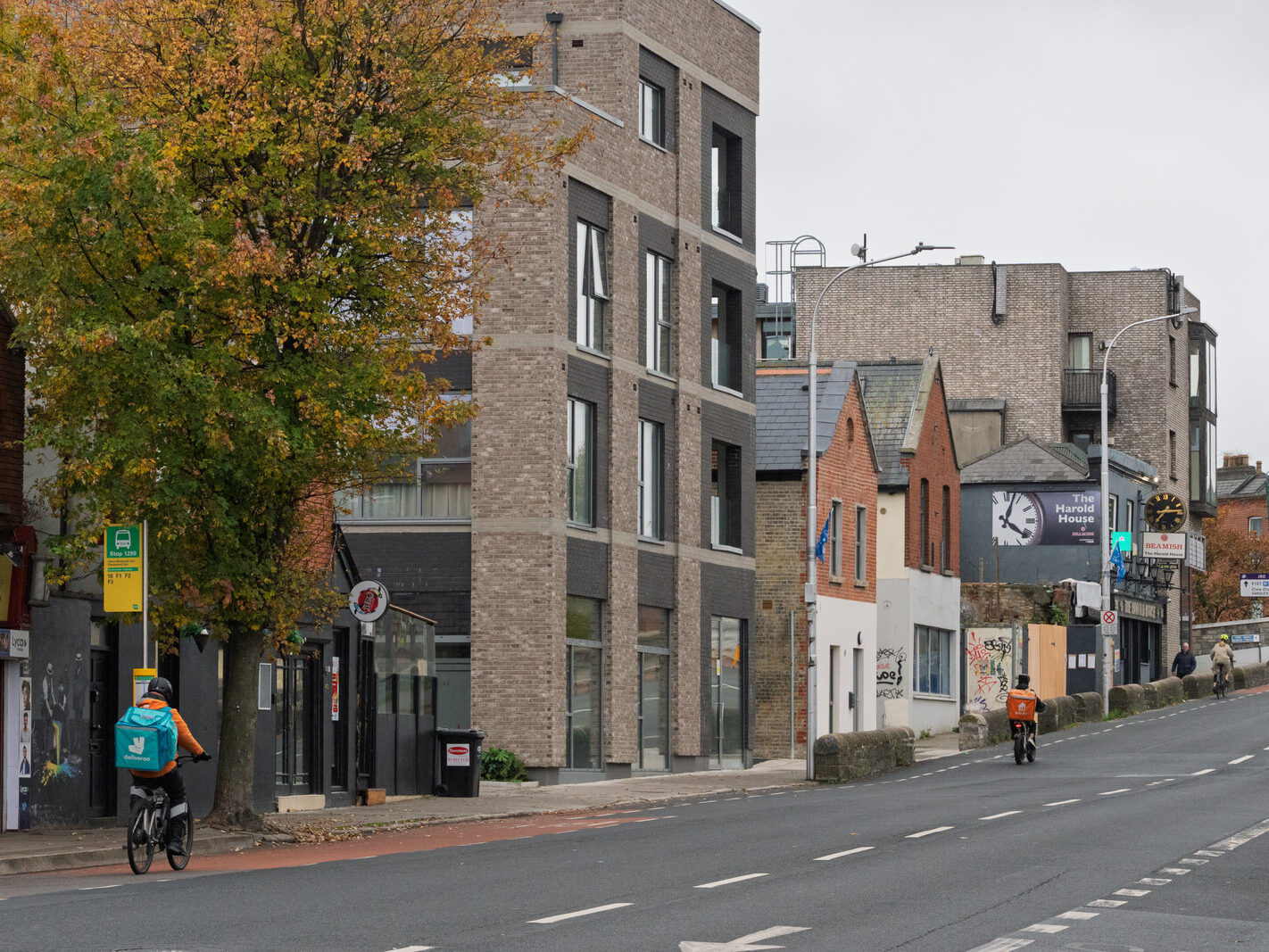
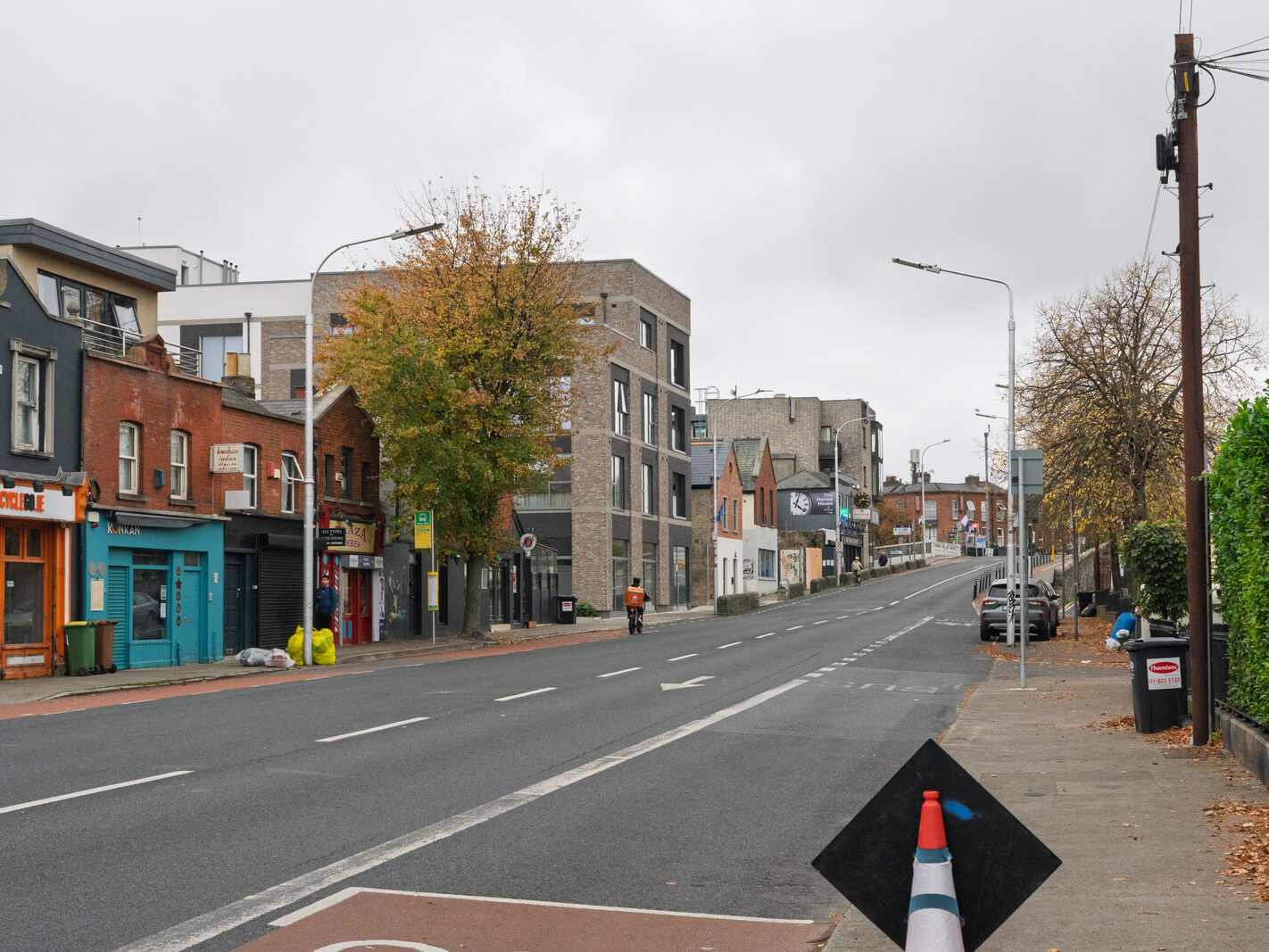
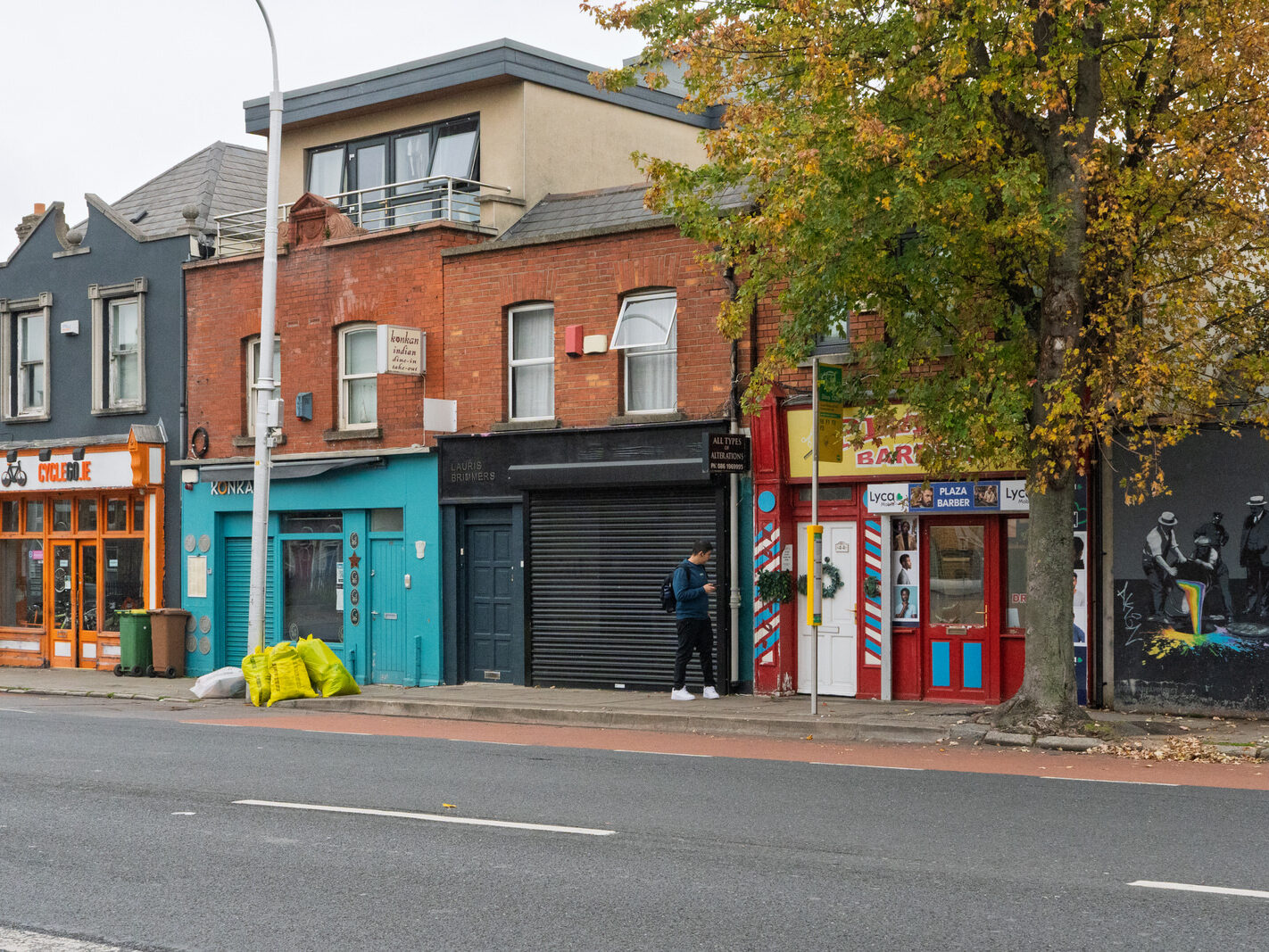
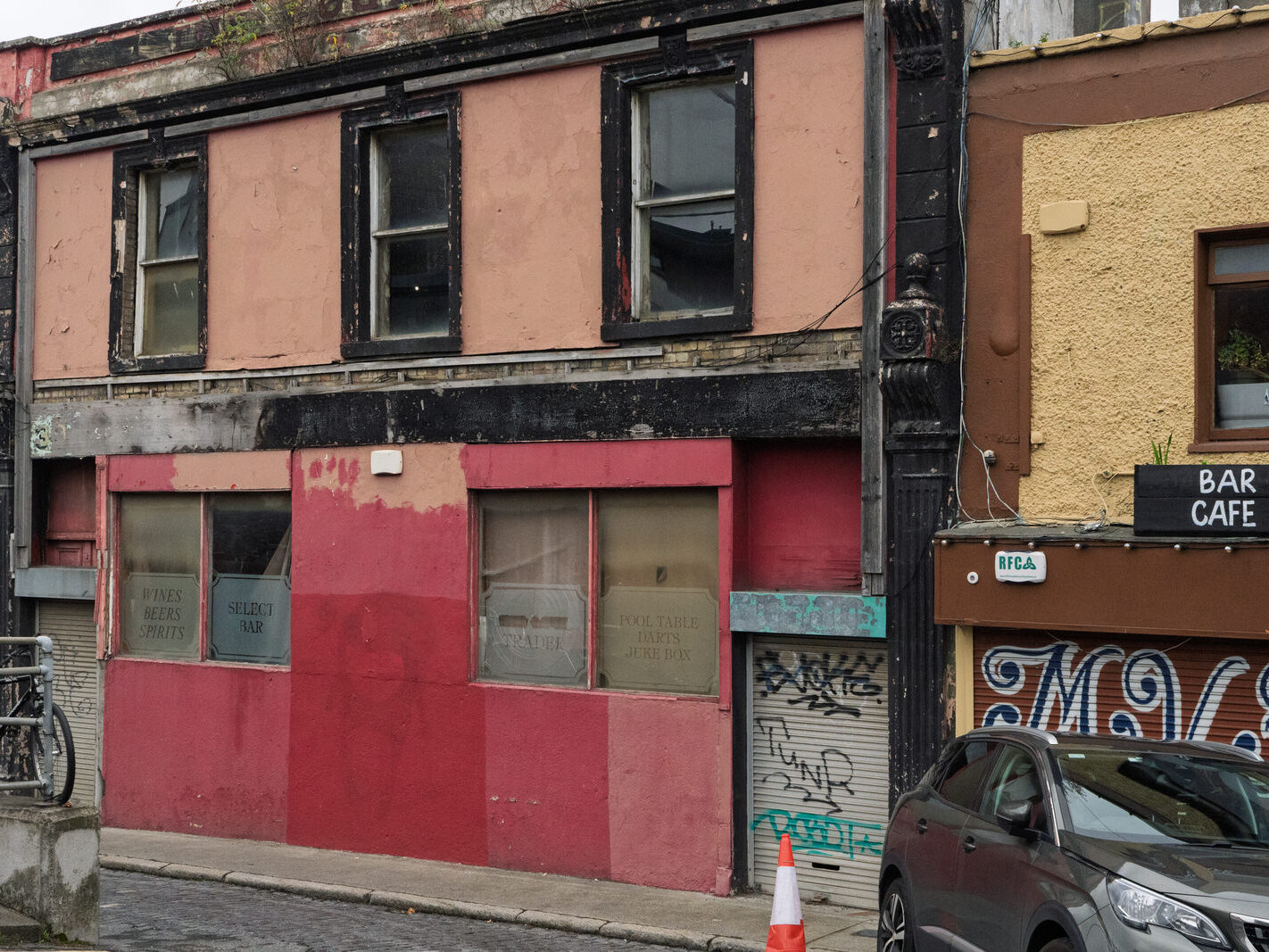
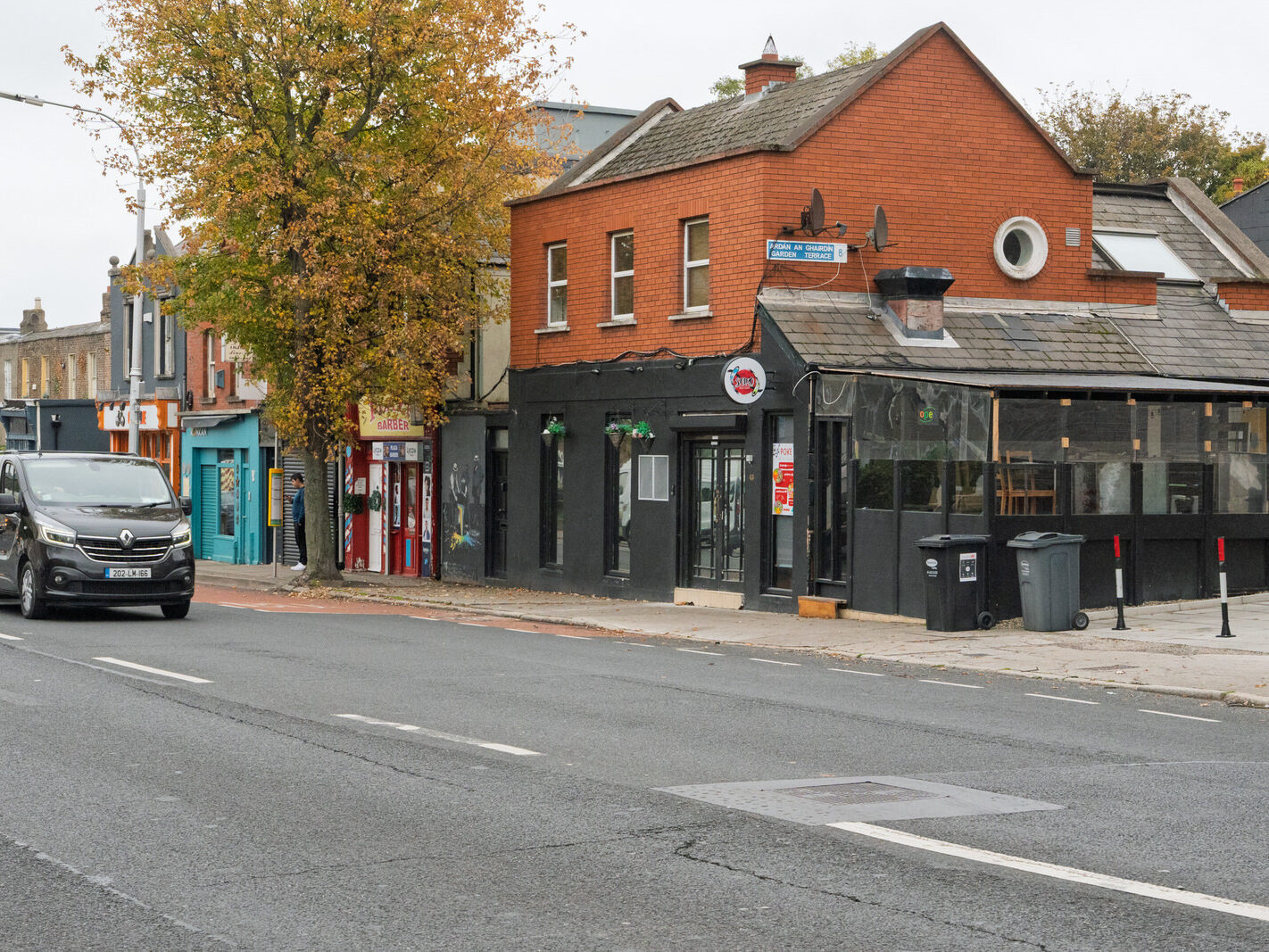
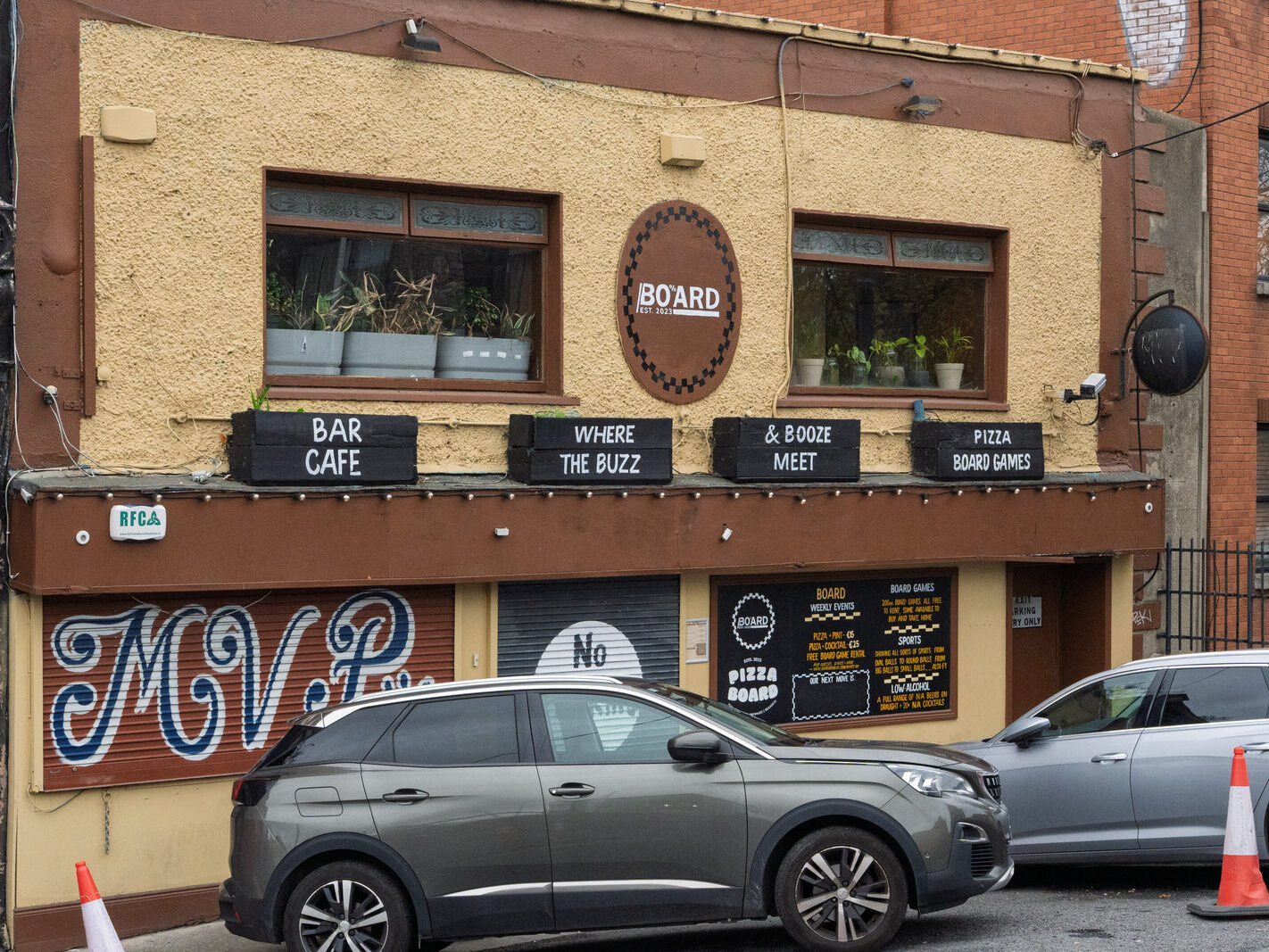
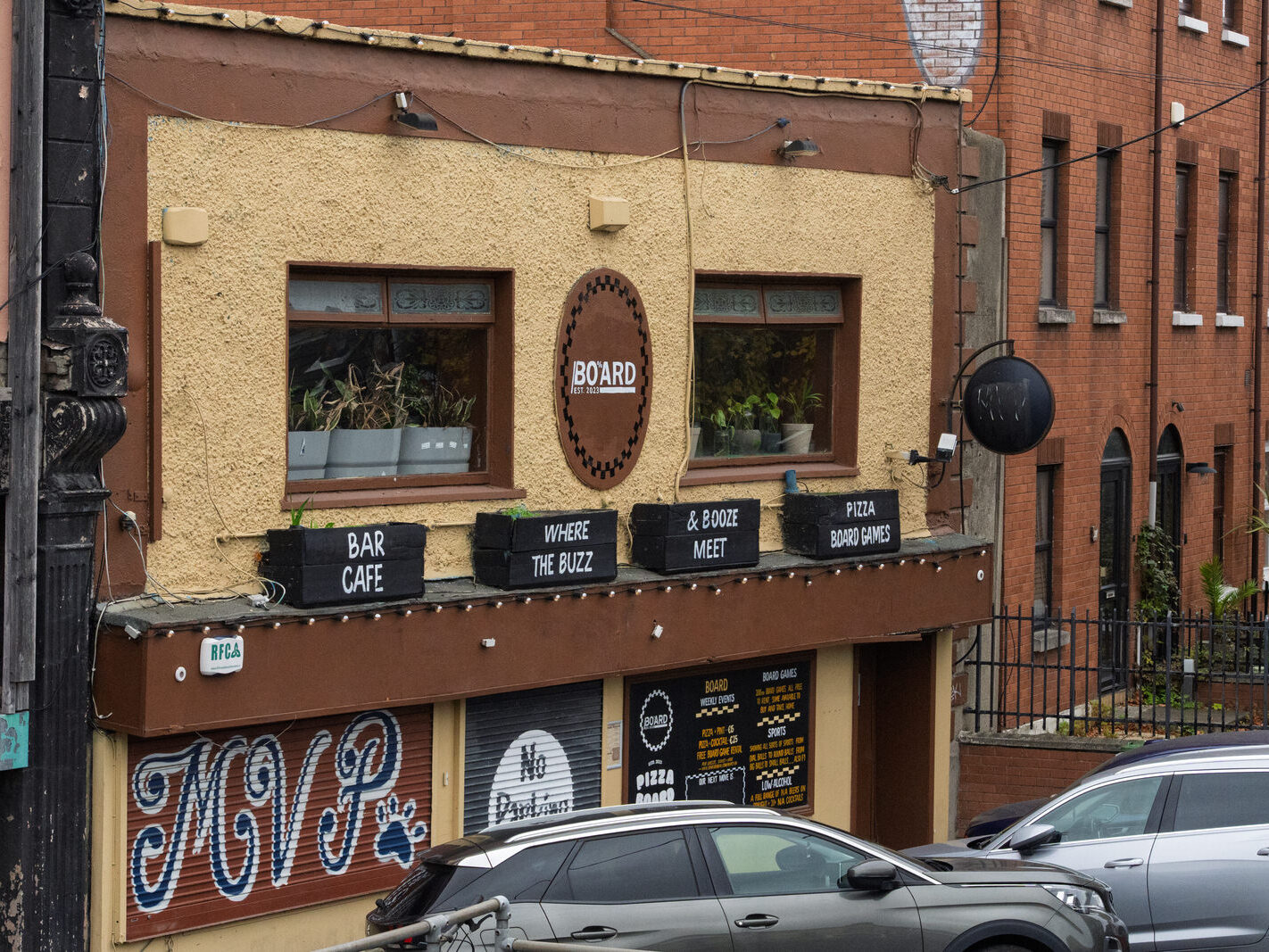
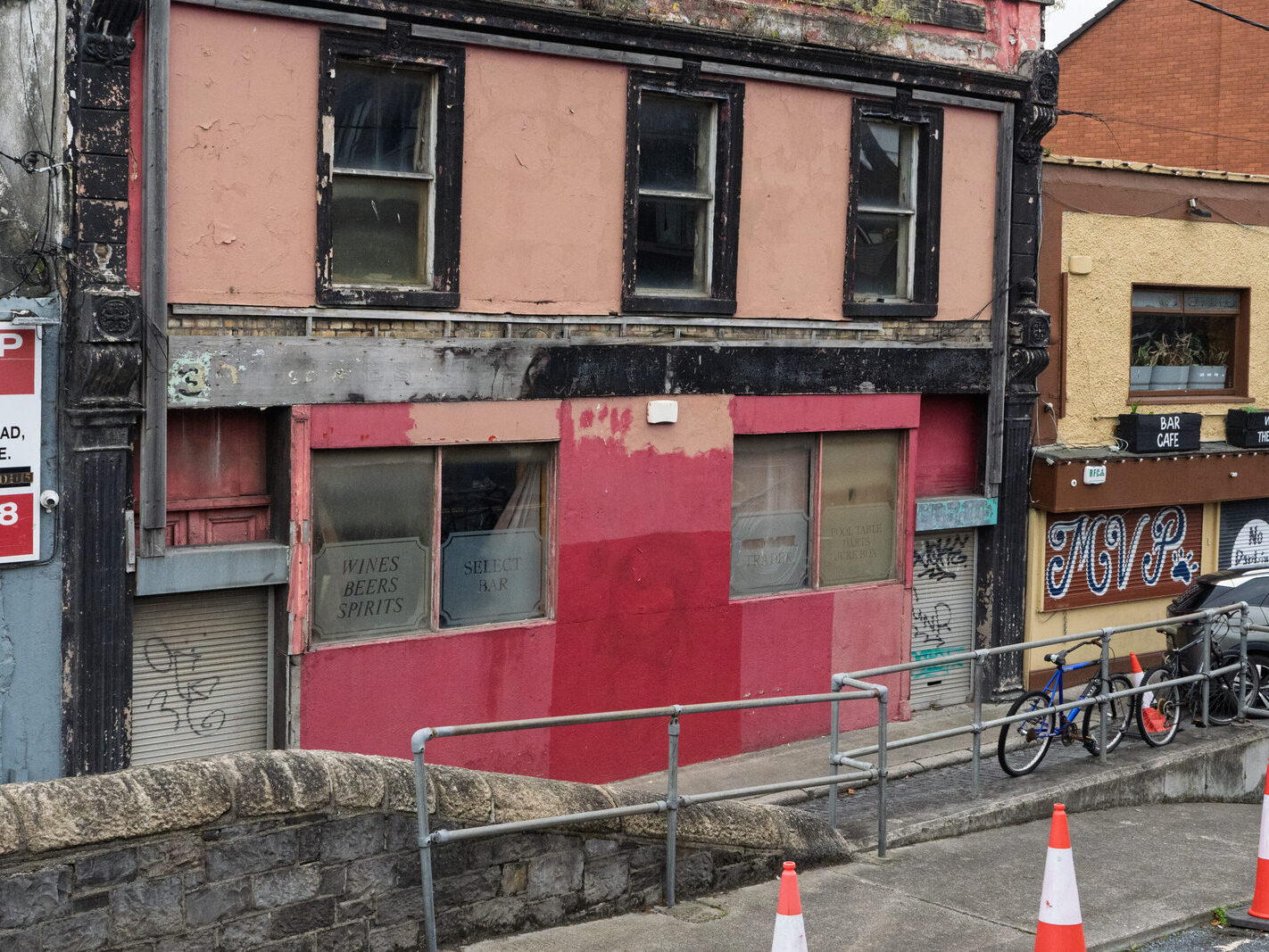
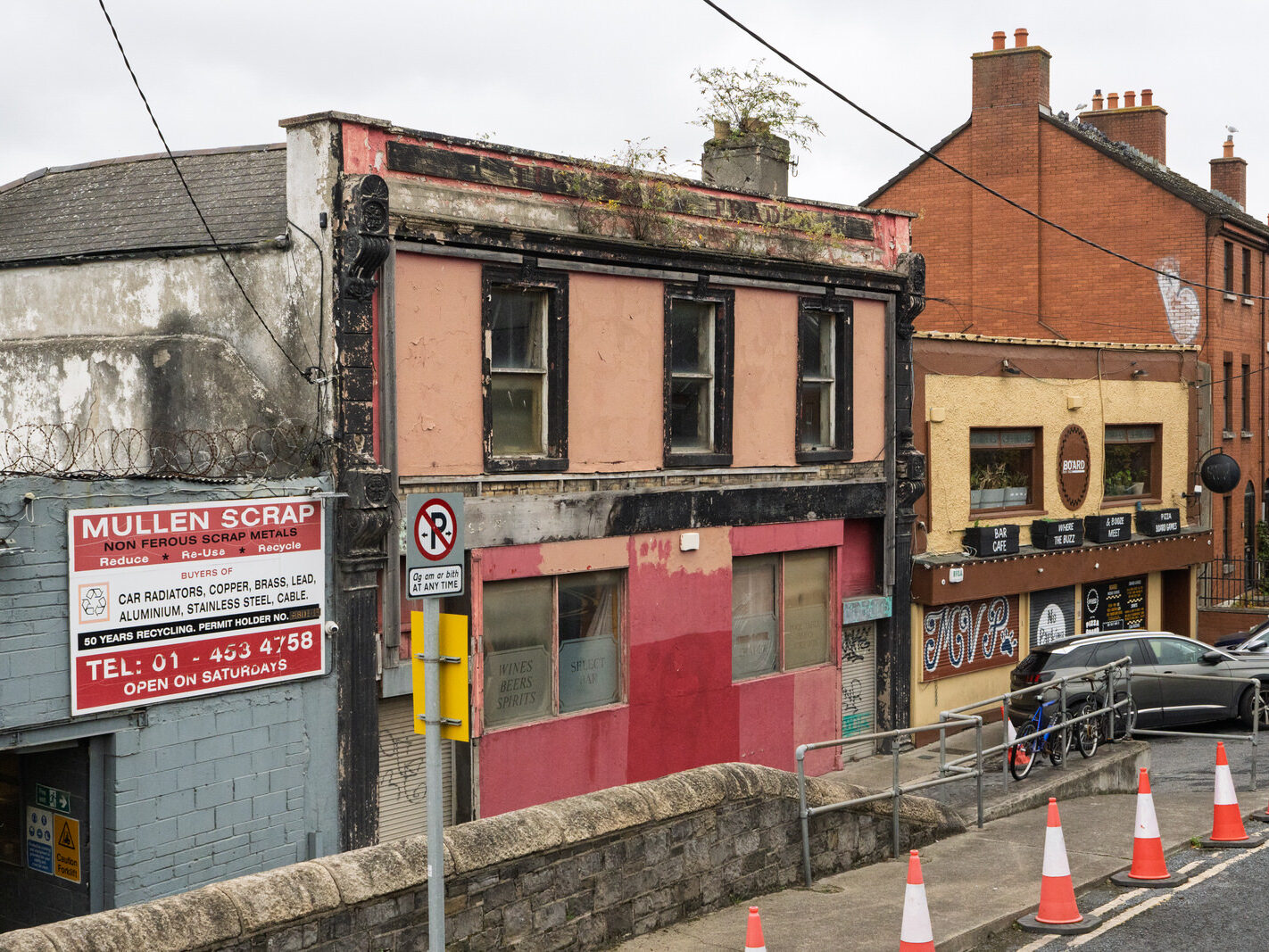
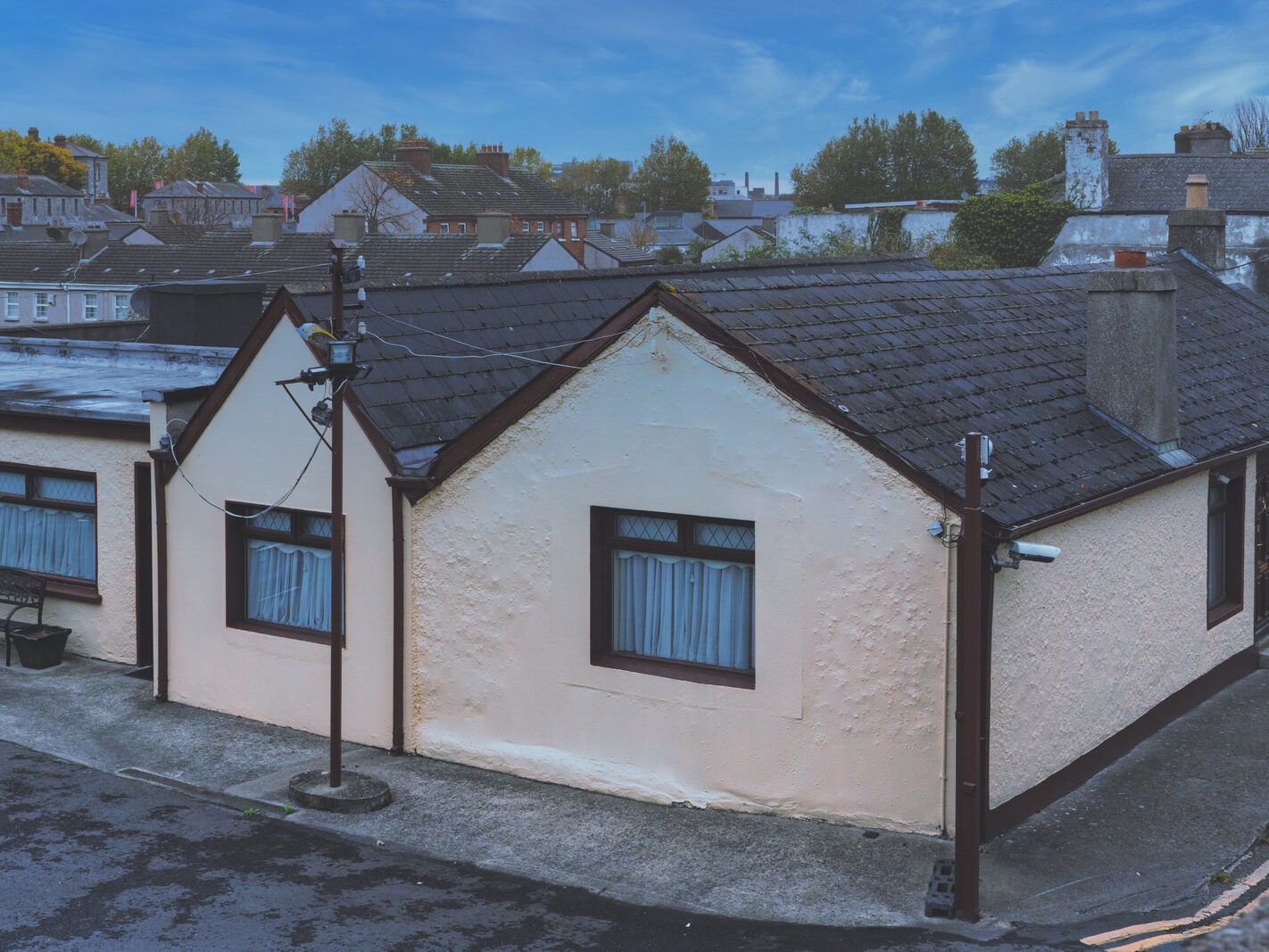
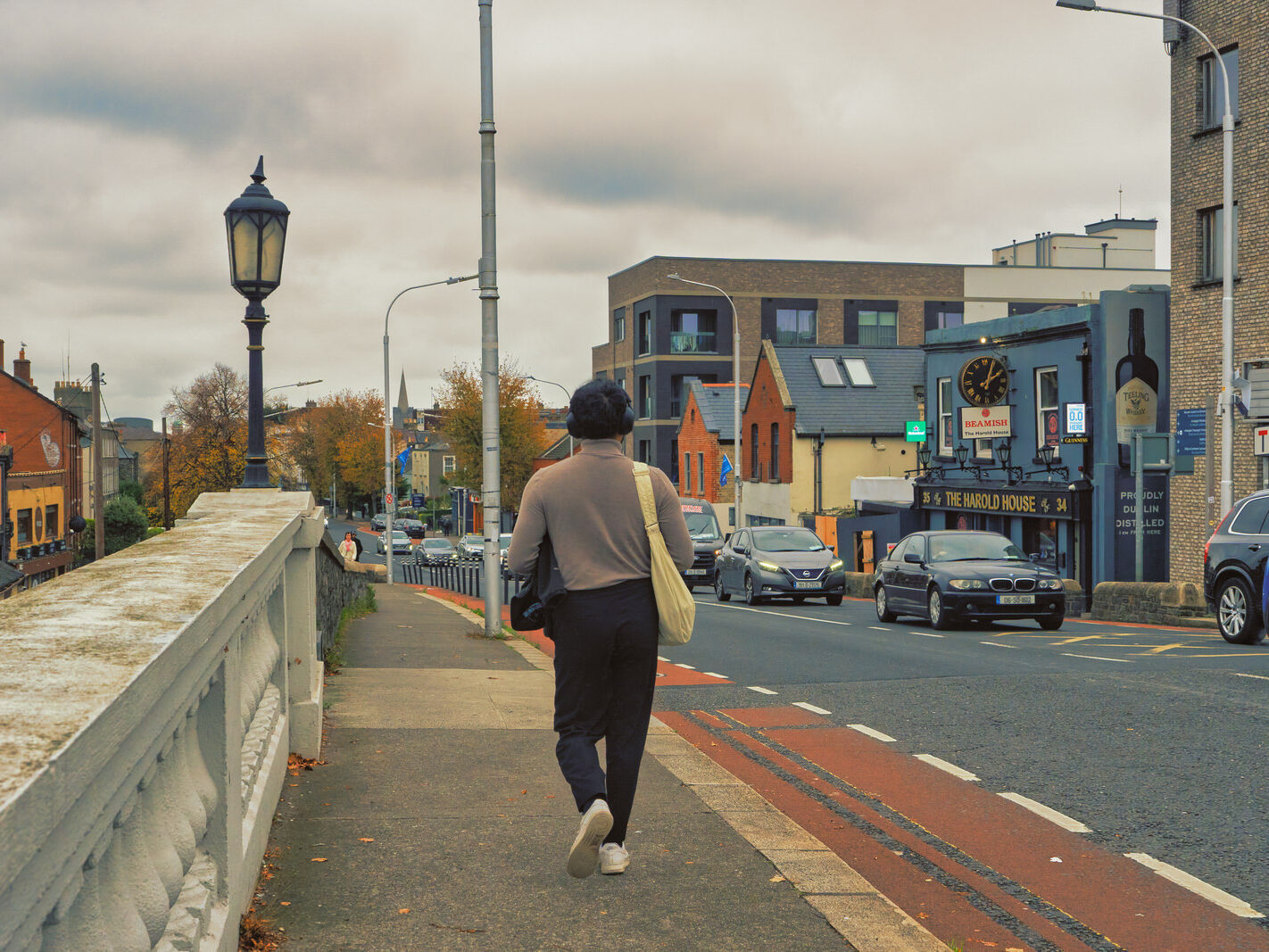
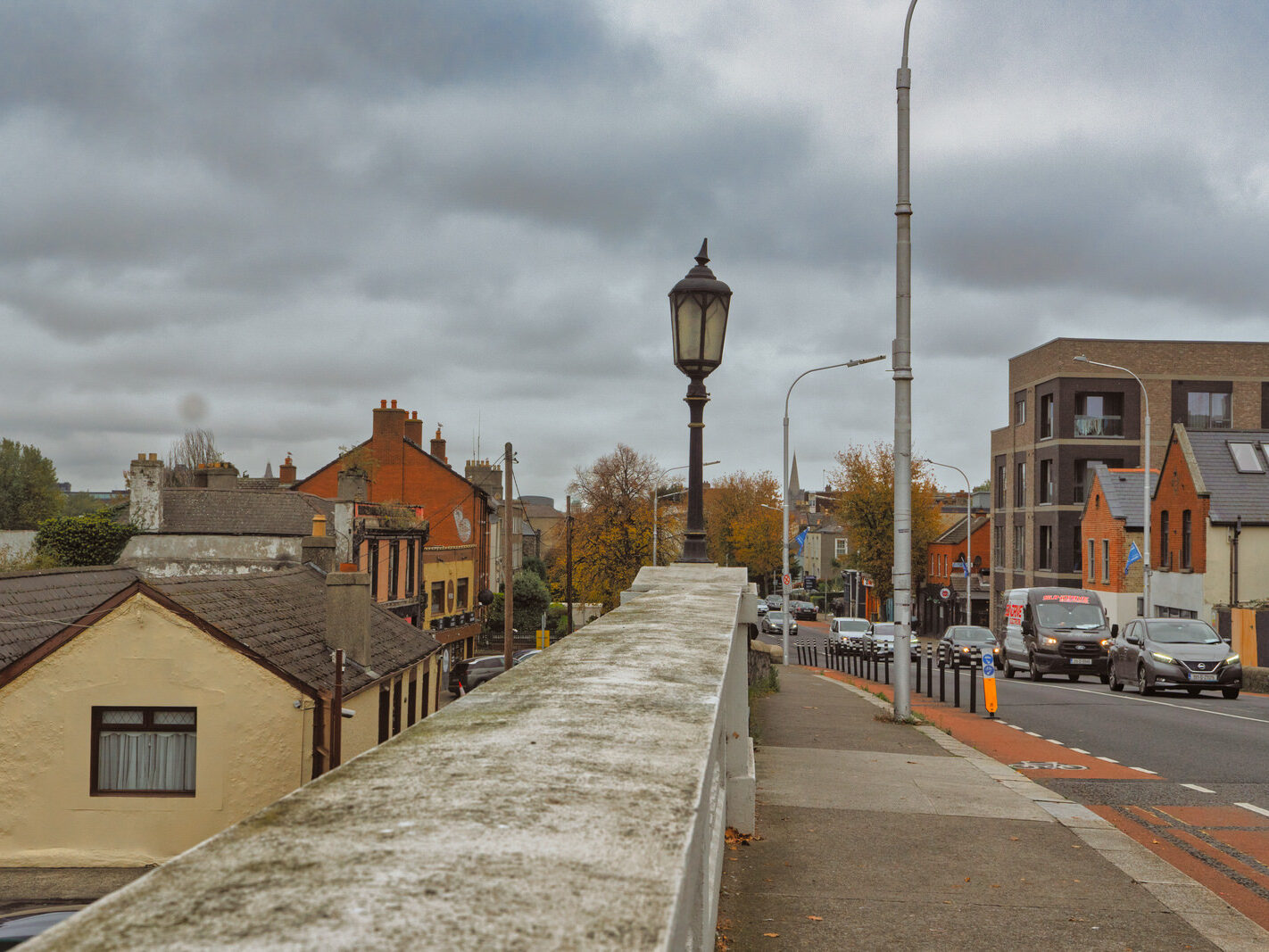
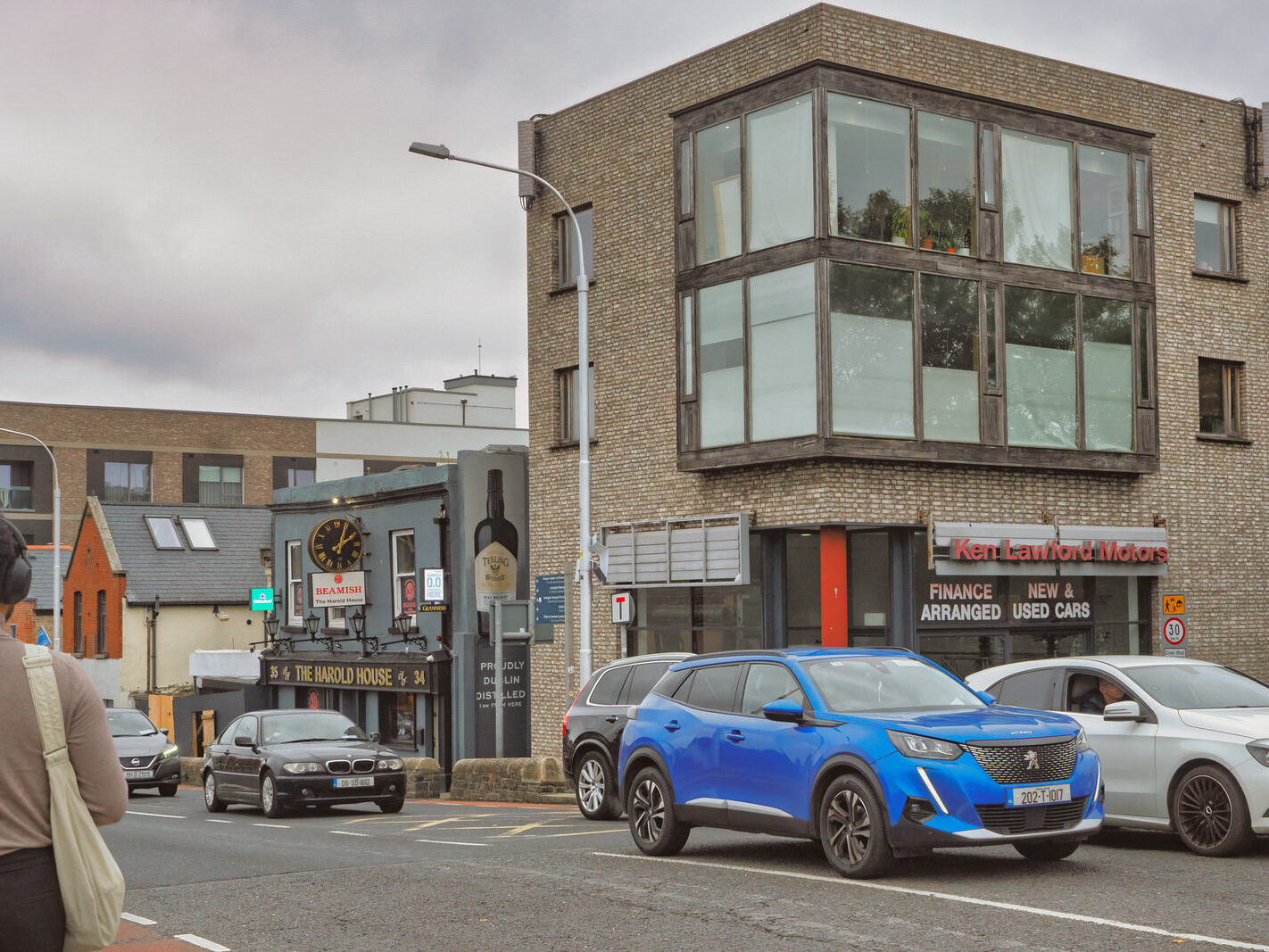
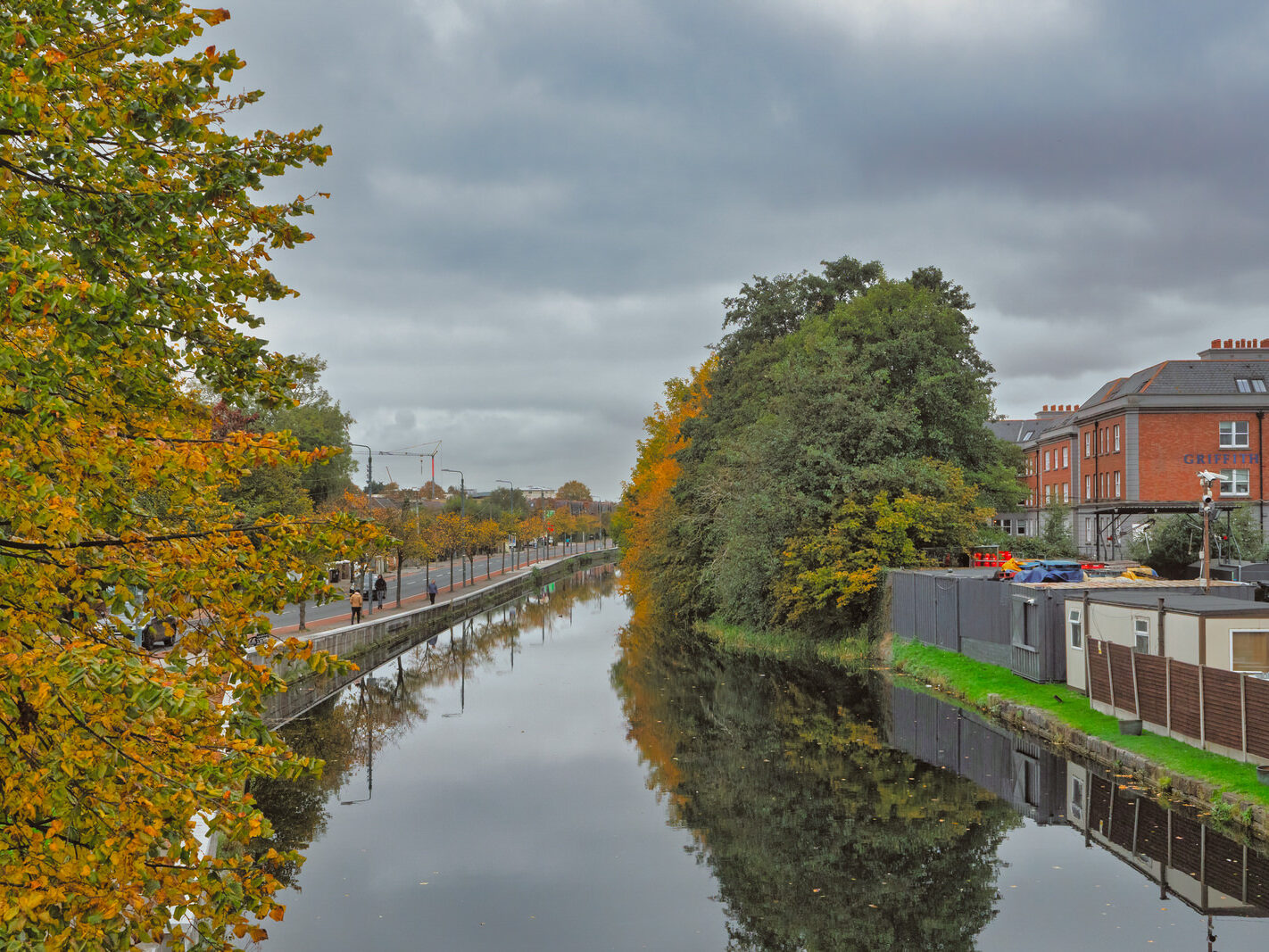
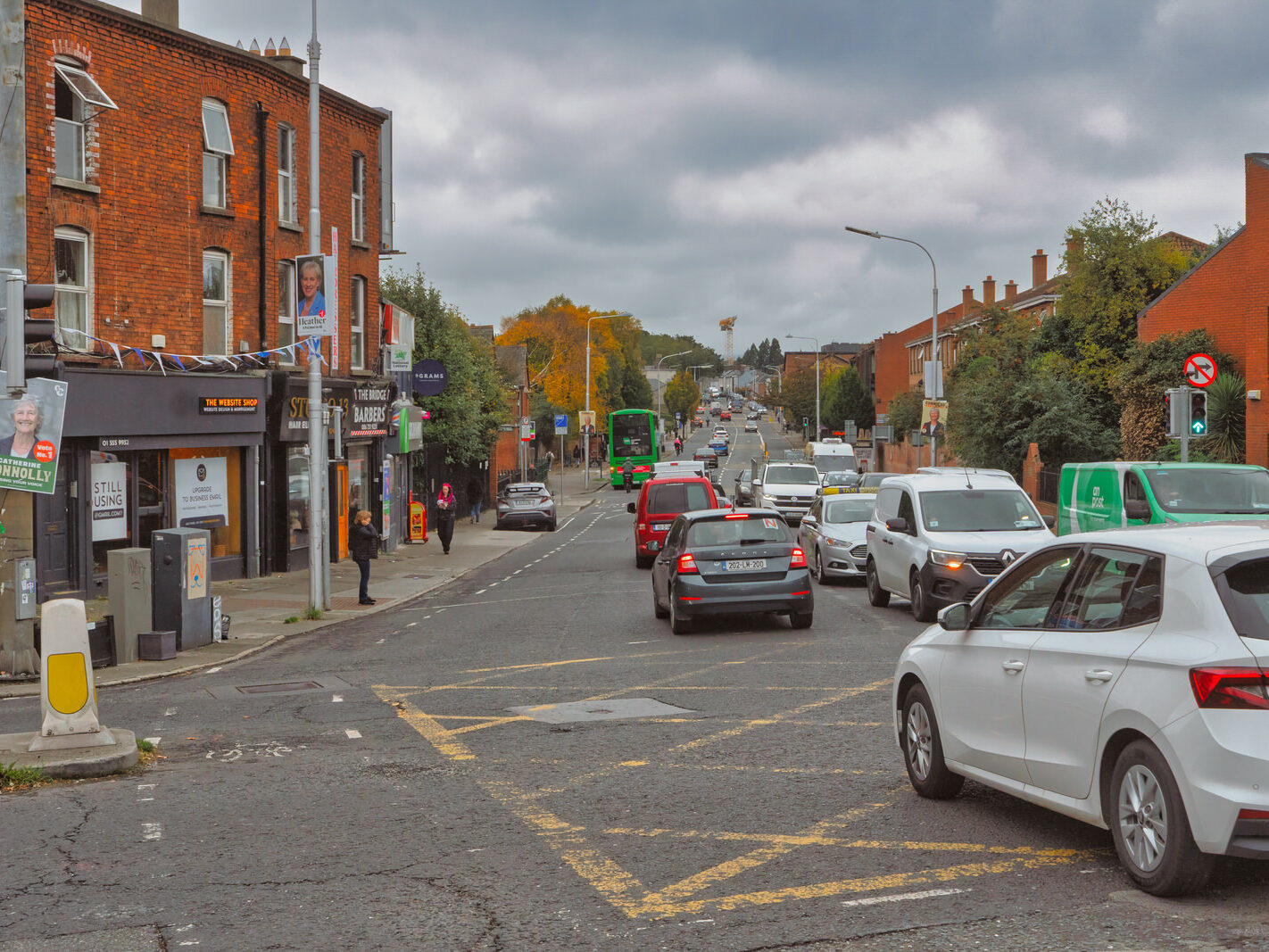
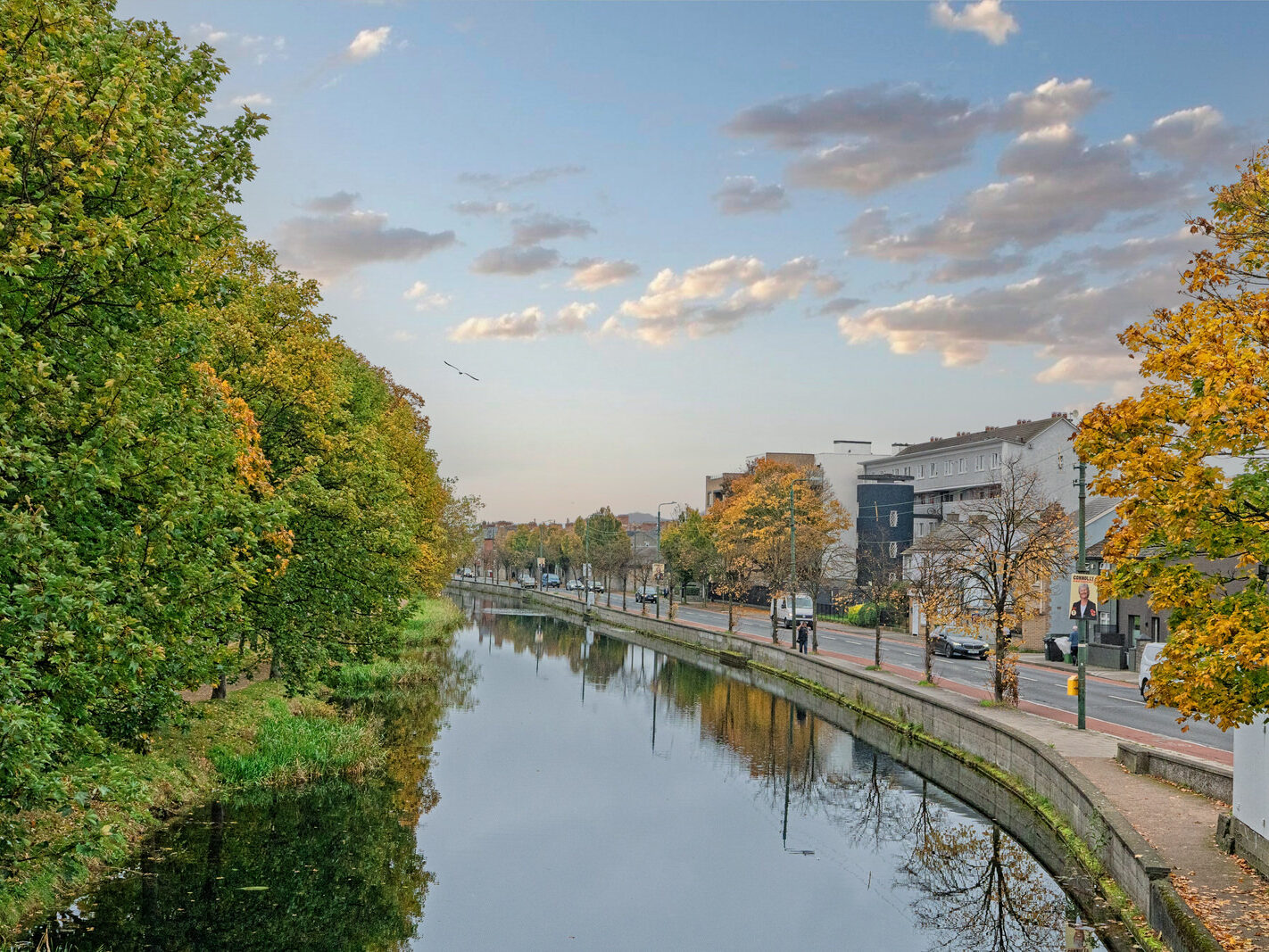
The area immediately surrounding Harold’s Cross Bridge in Dublin is a vibrant neighbourhood with a rich history, though it has also faced challenges with derelict properties. However, significant changes are on the horizon, including major residential developments and a revamping of the local bus services.
The Harold’s Cross Bridge Area and Derelict Property
Harold’s Cross is a bustling residential area known for its blend of old-world charm and modern amenities. It boasts numerous cafes, bars, and green spaces, making it an attractive place to live. Despite its appeal, the area, particularly along Harold’s Cross Road, has been marked by a number of derelict houses.
The reasons for this are complex and multifaceted, reflecting a broader issue in Dublin. They can include:
Economic Factors: The economic downturn of 2008/09 stalled many redevelopment plans, leaving some properties in limbo.

Complex Ownership: Issues such as deceased owners and complicated probate can lead to properties being left vacant and falling into disrepair for extended periods.

Renovation Costs: Some properties are in such a state of disrepair that the cost of renovation is prohibitive for potential buyers or the local council under certain government schemes.

Planning and Development Issues: Restrictive planning regulations and difficulties in acquiring adjacent plots for larger-scale redevelopment can also contribute to properties remaining derelict.
However, there is a significant push for rejuvenation. A large-scale residential development called “Harold’s Bridge Court” has been approved, which will see the demolition of existing buildings to make way for 181 new dwellings, retail units, a crèche, and community spaces. This is a clear indicator of the area’s ongoing transformation.
A Bridge Steeped in History
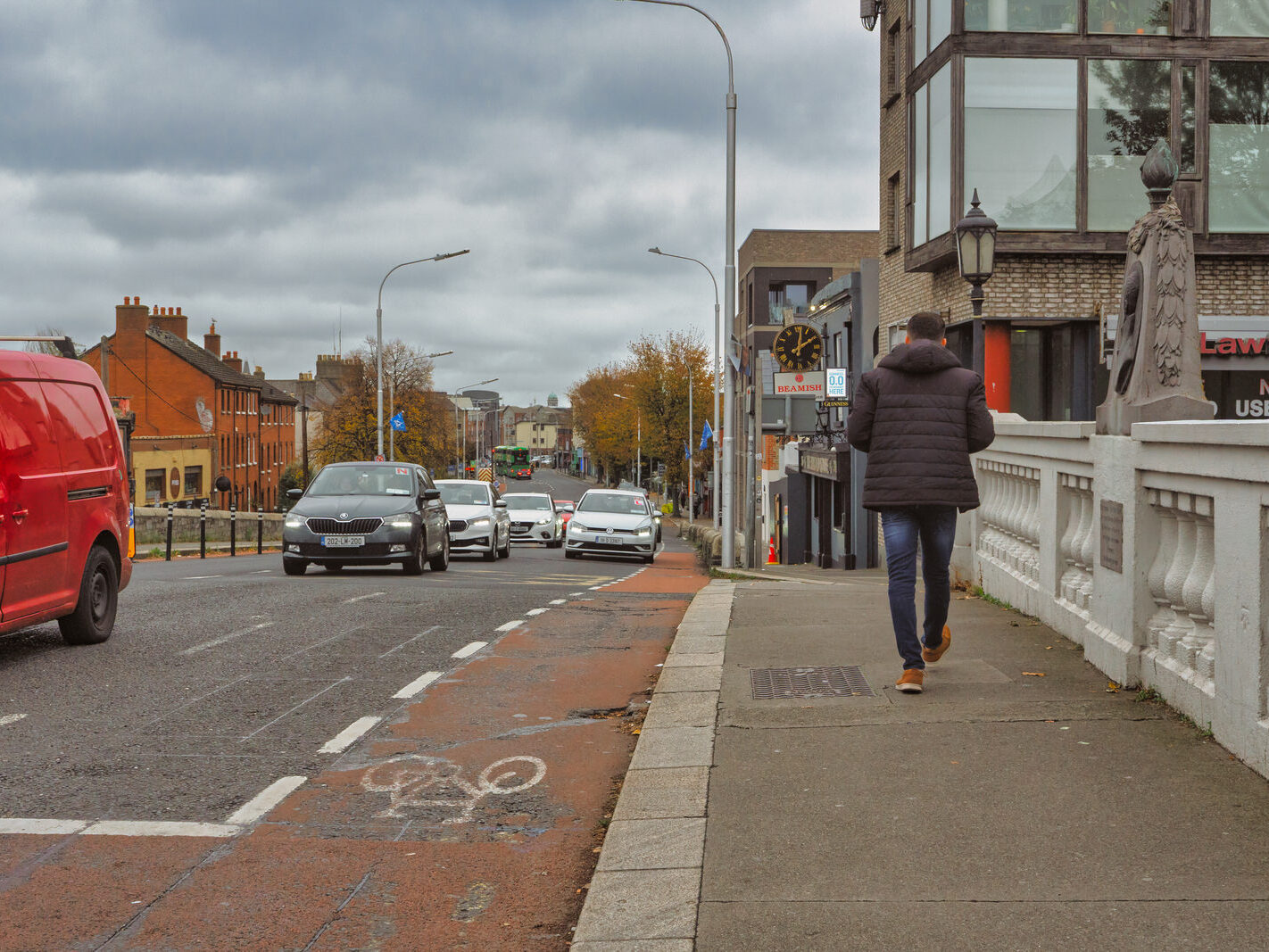
The original bridge over the Grand Canal at Harold’s Cross was constructed in 1790. The current structure, however, was rebuilt in 1936 and officially named the Robert Emmet Bridge. This was to honour the Irish nationalist leader who was captured nearby in 1803 following his failed rebellion against British rule. A plaque on the bridge commemorates him.
The name “Harold’s Cross” itself has a fascinating history with a couple of possible origins:
A Boundary Marker: One theory suggests it comes from a cross erected in medieval times to mark the boundary of lands owned by the Archbishop of Dublin, warning the local Harold clan not to encroach.

A Gallows Site: Another explanation is that it was named after a gallows that once stood in the area, which was an execution ground for Dublin until the 18th century.
The area played a significant role in Irish history, serving as a meeting point for the United Irishmen before the 1798 and 1803 rebellions.
BusConnects: A New Era for Public Transport
The bus services in Harold’s Cross are set for a major overhaul with the implementation of Phase 7 of the BusConnects Network Redesign, centred on the new F-Spine. This is scheduled to launch on Sunday, 19 October 2025.
Key changes for the Harold’s Cross area include:
New Route F3: This new spine route will directly replace the current route 9, serving key locations such as Kimmage, Harold's Cross, and Clanbrassil Street to Leonard's Corner.

Discontinuation of Route 54a: This route will be replaced by the new route 82, which will run every twenty minutes.

Increased Frequency and 24-Hour Services: The overall BusConnects plan aims to provide more frequent services, especially during off-peak hours and weekends, with some spine routes like the F1 and F2 operating 24 hours a day.
These changes are part of a wider strategy to create a more efficient and user-friendly bus network for the entire Dublin region.
A Site in Transition
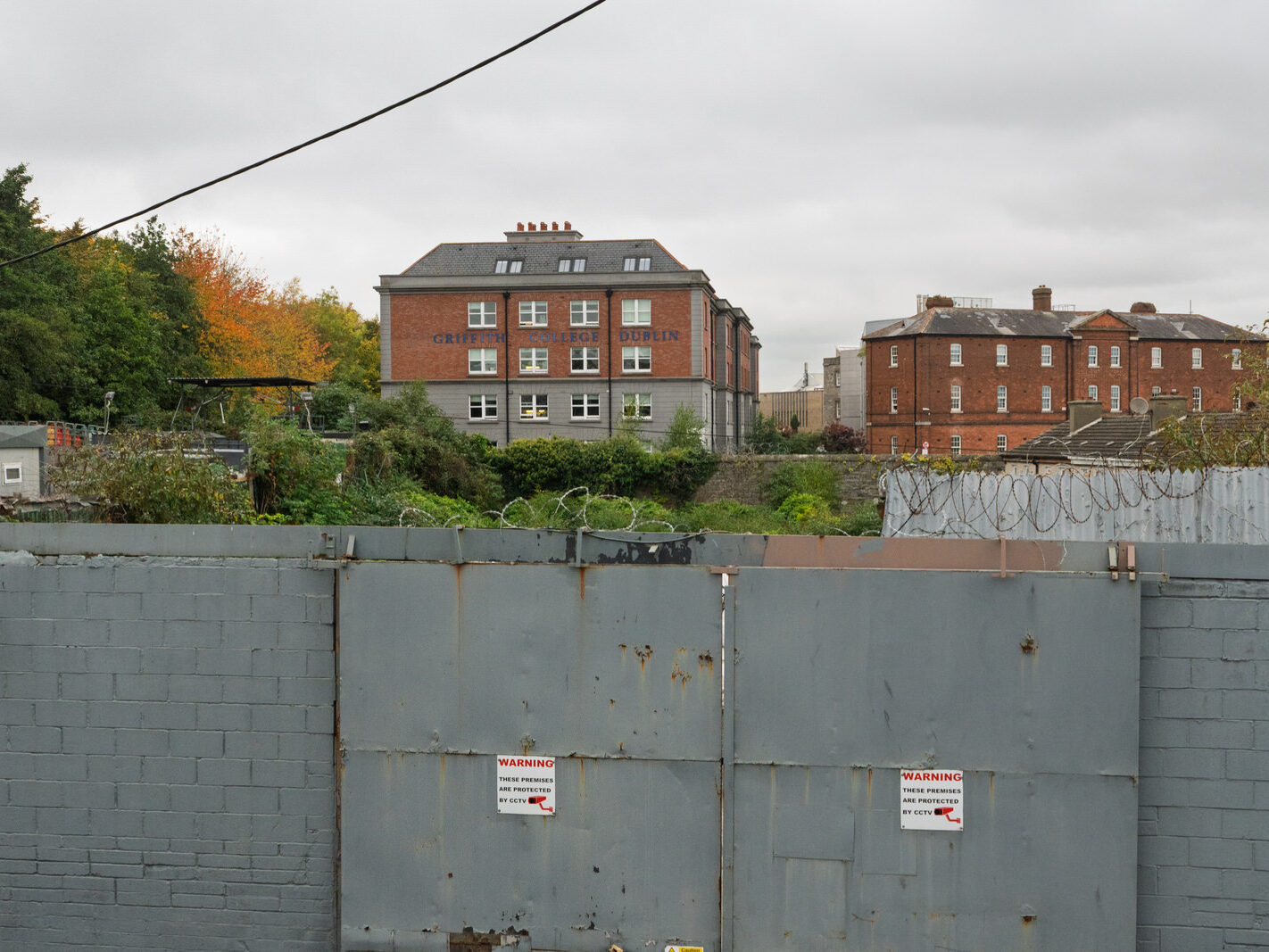
The location currently known as Harold’s Bridge Court is an existing complex of low-rise residential buildings and a warehouse. The approved plans call for the demolition of all current structures on the site. This includes:
Four three-storey duplex residential buildings (comprising 48 dwellings).

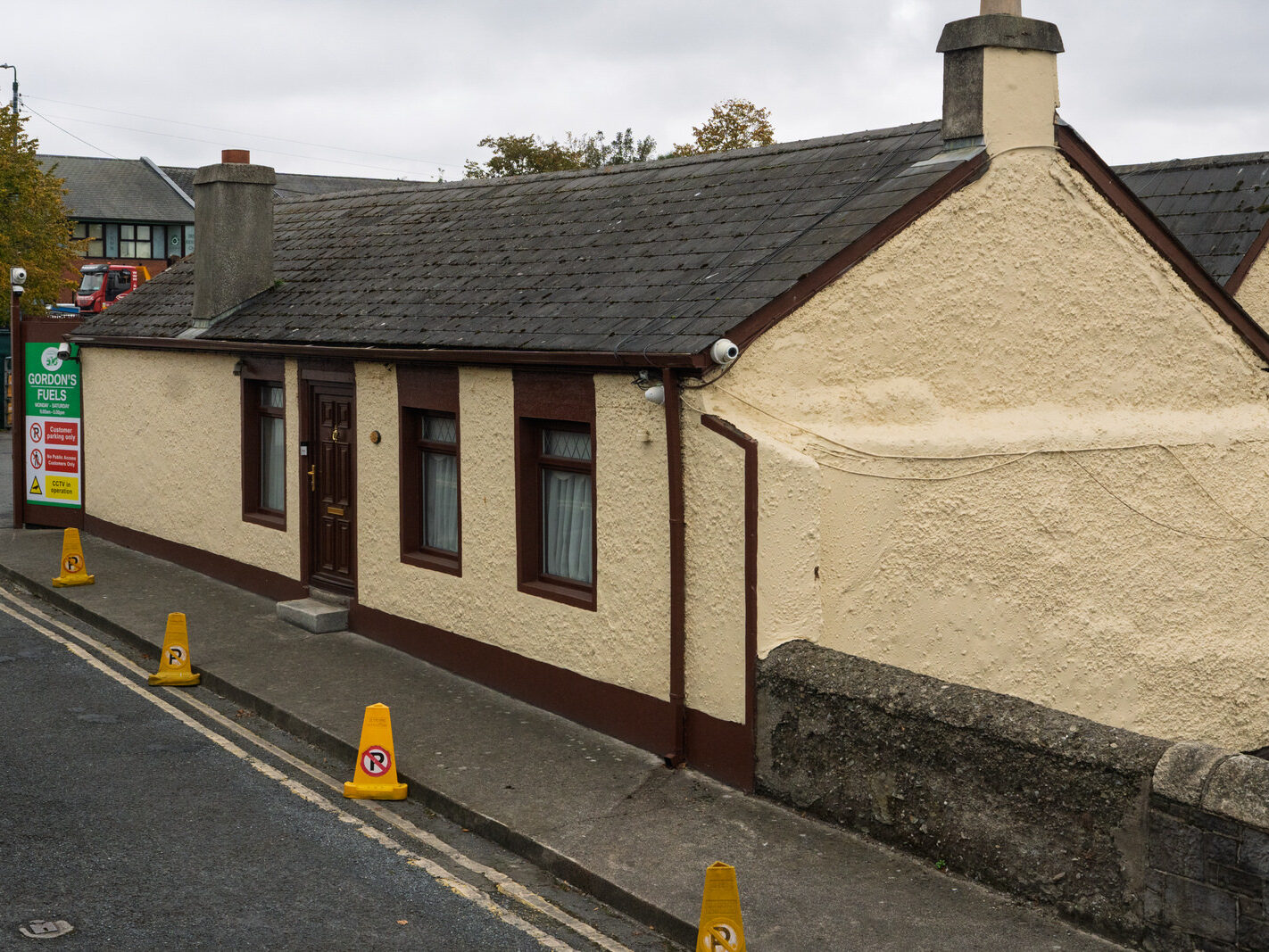
Two single-storey detached dwellings.

Three two-storey houses on Clare Villas.

An existing warehouse.
Boosting Urban Density
In their place, a new, large-scale residential development is planned. This new “Harold’s Bridge Court” will consist of:
181 new dwellings, a significant increase from the existing 53 homes.

These will be a mix of studio, one, two, and three-bedroom apartments.

The new buildings will be significantly taller, ranging from three to seven storeys in height.
This project is a clear example of urban redevelopment aimed at increasing housing density in a well-located area. The goal is to make more efficient use of the land to provide a greater number of homes in a popular Dublin neighbourhood.
timelines and Planning
It’s important to note that this development has been in the planning stages for a number of years, with previous applications being refused. However, the most recent proposal for the 181 dwellings was granted permission in June 2024, paving the way for the redevelopment to proceed. Therefore, while it is a confirmed future development, construction has not yet been completed.
![HARCOURT STREET AREA REDEVELOPMENT [TWO SIGNIFICANT PROJECTS]-247204-1](https://excellentstreetimages.com/PhotoniqueSouthOfTheRiverLiffey/wp-content/uploads/2025/02/HARCOURT-STREET-AREA-REDEVELOPMENT-TWO-SIGNIFICANT-PROJECTS-247204-1-1422x1067.jpg "HARCOURT STREET AREA REDEVELOPMENT [TWO SIGNIFICANT PROJECTS]-247204-1")
![HARCOURT STREET AREA REDEVELOPMENT [TWO SIGNIFICANT PROJECTS]-247205-1](https://excellentstreetimages.com/PhotoniqueSouthOfTheRiverLiffey/wp-content/uploads/2025/02/HARCOURT-STREET-AREA-REDEVELOPMENT-TWO-SIGNIFICANT-PROJECTS-247205-1-1422x1067.jpg "HARCOURT STREET AREA REDEVELOPMENT [TWO SIGNIFICANT PROJECTS]-247205-1")
![HARCOURT STREET AREA REDEVELOPMENT [TWO SIGNIFICANT PROJECTS]-247206-1](https://excellentstreetimages.com/PhotoniqueSouthOfTheRiverLiffey/wp-content/uploads/2025/02/HARCOURT-STREET-AREA-REDEVELOPMENT-TWO-SIGNIFICANT-PROJECTS-247206-1-1422x1067.jpg "HARCOURT STREET AREA REDEVELOPMENT [TWO SIGNIFICANT PROJECTS]-247206-1")
![HARCOURT STREET AREA REDEVELOPMENT [TWO SIGNIFICANT PROJECTS]-247197-1](https://excellentstreetimages.com/PhotoniqueSouthOfTheRiverLiffey/wp-content/uploads/2025/02/HARCOURT-STREET-AREA-REDEVELOPMENT-TWO-SIGNIFICANT-PROJECTS-247197-1-1422x1067.jpg "HARCOURT STREET AREA REDEVELOPMENT [TWO SIGNIFICANT PROJECTS]-247197-1")
![HARCOURT STREET AREA REDEVELOPMENT [TWO SIGNIFICANT PROJECTS]-247198-1](https://excellentstreetimages.com/PhotoniqueSouthOfTheRiverLiffey/wp-content/uploads/2025/02/HARCOURT-STREET-AREA-REDEVELOPMENT-TWO-SIGNIFICANT-PROJECTS-247198-1-1422x1067.jpg "HARCOURT STREET AREA REDEVELOPMENT [TWO SIGNIFICANT PROJECTS]-247198-1")
![HARCOURT STREET AREA REDEVELOPMENT [TWO SIGNIFICANT PROJECTS]-247199-1](https://excellentstreetimages.com/PhotoniqueSouthOfTheRiverLiffey/wp-content/uploads/2025/02/HARCOURT-STREET-AREA-REDEVELOPMENT-TWO-SIGNIFICANT-PROJECTS-247199-1-1422x1067.jpg "HARCOURT STREET AREA REDEVELOPMENT [TWO SIGNIFICANT PROJECTS]-247199-1")
![HARCOURT STREET AREA REDEVELOPMENT [TWO SIGNIFICANT PROJECTS]-247200-1](https://excellentstreetimages.com/PhotoniqueSouthOfTheRiverLiffey/wp-content/uploads/2025/02/HARCOURT-STREET-AREA-REDEVELOPMENT-TWO-SIGNIFICANT-PROJECTS-247200-1-1422x1067.jpg "HARCOURT STREET AREA REDEVELOPMENT [TWO SIGNIFICANT PROJECTS]-247200-1")
![HARCOURT STREET AREA REDEVELOPMENT [TWO SIGNIFICANT PROJECTS]-247201-1](https://excellentstreetimages.com/PhotoniqueSouthOfTheRiverLiffey/wp-content/uploads/2025/02/HARCOURT-STREET-AREA-REDEVELOPMENT-TWO-SIGNIFICANT-PROJECTS-247201-1-1422x1067.jpg "HARCOURT STREET AREA REDEVELOPMENT [TWO SIGNIFICANT PROJECTS]-247201-1")
![HARCOURT STREET AREA REDEVELOPMENT [TWO SIGNIFICANT PROJECTS]-247202-1](https://excellentstreetimages.com/PhotoniqueSouthOfTheRiverLiffey/wp-content/uploads/2025/02/HARCOURT-STREET-AREA-REDEVELOPMENT-TWO-SIGNIFICANT-PROJECTS-247202-1-1422x1067.jpg "HARCOURT STREET AREA REDEVELOPMENT [TWO SIGNIFICANT PROJECTS]-247202-1")
![HARCOURT STREET AREA REDEVELOPMENT [TWO SIGNIFICANT PROJECTS]-247203-1](https://excellentstreetimages.com/PhotoniqueSouthOfTheRiverLiffey/wp-content/uploads/2025/02/HARCOURT-STREET-AREA-REDEVELOPMENT-TWO-SIGNIFICANT-PROJECTS-247203-1-1422x1067.jpg "HARCOURT STREET AREA REDEVELOPMENT [TWO SIGNIFICANT PROJECTS]-247203-1")
![HARCOURT STREET AREA REDEVELOPMENT [TWO SIGNIFICANT PROJECTS]-247190-1](https://excellentstreetimages.com/PhotoniqueSouthOfTheRiverLiffey/wp-content/uploads/2025/02/HARCOURT-STREET-AREA-REDEVELOPMENT-TWO-SIGNIFICANT-PROJECTS-247190-1-1422x1067.jpg "HARCOURT STREET AREA REDEVELOPMENT [TWO SIGNIFICANT PROJECTS]-247190-1")
![HARCOURT STREET AREA REDEVELOPMENT [TWO SIGNIFICANT PROJECTS]-247191-1](https://excellentstreetimages.com/PhotoniqueSouthOfTheRiverLiffey/wp-content/uploads/2025/02/HARCOURT-STREET-AREA-REDEVELOPMENT-TWO-SIGNIFICANT-PROJECTS-247191-1-1422x1067.jpg "HARCOURT STREET AREA REDEVELOPMENT [TWO SIGNIFICANT PROJECTS]-247191-1")
![HARCOURT STREET AREA REDEVELOPMENT [TWO SIGNIFICANT PROJECTS]-247192-1](https://excellentstreetimages.com/PhotoniqueSouthOfTheRiverLiffey/wp-content/uploads/2025/02/HARCOURT-STREET-AREA-REDEVELOPMENT-TWO-SIGNIFICANT-PROJECTS-247192-1-1422x1067.jpg "HARCOURT STREET AREA REDEVELOPMENT [TWO SIGNIFICANT PROJECTS]-247192-1")
![HARCOURT STREET AREA REDEVELOPMENT [TWO SIGNIFICANT PROJECTS]-247193-1](https://excellentstreetimages.com/PhotoniqueSouthOfTheRiverLiffey/wp-content/uploads/2025/02/HARCOURT-STREET-AREA-REDEVELOPMENT-TWO-SIGNIFICANT-PROJECTS-247193-1-1422x1067.jpg "HARCOURT STREET AREA REDEVELOPMENT [TWO SIGNIFICANT PROJECTS]-247193-1")
![HARCOURT STREET AREA REDEVELOPMENT [TWO SIGNIFICANT PROJECTS]-247194-1](https://excellentstreetimages.com/PhotoniqueSouthOfTheRiverLiffey/wp-content/uploads/2025/02/HARCOURT-STREET-AREA-REDEVELOPMENT-TWO-SIGNIFICANT-PROJECTS-247194-1-1422x1067.jpg "HARCOURT STREET AREA REDEVELOPMENT [TWO SIGNIFICANT PROJECTS]-247194-1")
![HARCOURT STREET AREA REDEVELOPMENT [TWO SIGNIFICANT PROJECTS]-247195-1](https://excellentstreetimages.com/PhotoniqueSouthOfTheRiverLiffey/wp-content/uploads/2025/02/HARCOURT-STREET-AREA-REDEVELOPMENT-TWO-SIGNIFICANT-PROJECTS-247195-1-1422x1067.jpg "HARCOURT STREET AREA REDEVELOPMENT [TWO SIGNIFICANT PROJECTS]-247195-1")
![HARCOURT STREET AREA REDEVELOPMENT [TWO SIGNIFICANT PROJECTS]-247196-1](https://excellentstreetimages.com/PhotoniqueSouthOfTheRiverLiffey/wp-content/uploads/2025/02/HARCOURT-STREET-AREA-REDEVELOPMENT-TWO-SIGNIFICANT-PROJECTS-247196-1-1422x1067.jpg "HARCOURT STREET AREA REDEVELOPMENT [TWO SIGNIFICANT PROJECTS]-247196-1")
![HARCOURT STREET AREA REDEVELOPMENT [TWO SIGNIFICANT PROJECTS]-247187-1](https://excellentstreetimages.com/PhotoniqueSouthOfTheRiverLiffey/wp-content/uploads/2025/02/HARCOURT-STREET-AREA-REDEVELOPMENT-TWO-SIGNIFICANT-PROJECTS-247187-1-1422x1067.jpg "HARCOURT STREET AREA REDEVELOPMENT [TWO SIGNIFICANT PROJECTS]-247187-1")
![HARCOURT STREET AREA REDEVELOPMENT [TWO SIGNIFICANT PROJECTS]-247188-1](https://excellentstreetimages.com/PhotoniqueSouthOfTheRiverLiffey/wp-content/uploads/2025/02/HARCOURT-STREET-AREA-REDEVELOPMENT-TWO-SIGNIFICANT-PROJECTS-247188-1-1422x1067.jpg "HARCOURT STREET AREA REDEVELOPMENT [TWO SIGNIFICANT PROJECTS]-247188-1")
![HARCOURT STREET AREA REDEVELOPMENT [TWO SIGNIFICANT PROJECTS]-247189-1](https://excellentstreetimages.com/PhotoniqueSouthOfTheRiverLiffey/wp-content/uploads/2025/02/HARCOURT-STREET-AREA-REDEVELOPMENT-TWO-SIGNIFICANT-PROJECTS-247189-1-1422x1067.jpg "HARCOURT STREET AREA REDEVELOPMENT [TWO SIGNIFICANT PROJECTS]-247189-1")
![HARCOURT STREET AREA REDEVELOPMENT [TWO SIGNIFICANT PROJECTS]-247183-1](https://excellentstreetimages.com/PhotoniqueSouthOfTheRiverLiffey/wp-content/uploads/2025/02/HARCOURT-STREET-AREA-REDEVELOPMENT-TWO-SIGNIFICANT-PROJECTS-247183-1-1422x1067.jpg "HARCOURT STREET AREA REDEVELOPMENT [TWO SIGNIFICANT PROJECTS]-247183-1")
![HARCOURT STREET AREA REDEVELOPMENT [TWO SIGNIFICANT PROJECTS]-247184-1](https://excellentstreetimages.com/PhotoniqueSouthOfTheRiverLiffey/wp-content/uploads/2025/02/HARCOURT-STREET-AREA-REDEVELOPMENT-TWO-SIGNIFICANT-PROJECTS-247184-1-1422x1067.jpg "HARCOURT STREET AREA REDEVELOPMENT [TWO SIGNIFICANT PROJECTS]-247184-1")
![HARCOURT STREET AREA REDEVELOPMENT [TWO SIGNIFICANT PROJECTS]-247185-1](https://excellentstreetimages.com/PhotoniqueSouthOfTheRiverLiffey/wp-content/uploads/2025/02/HARCOURT-STREET-AREA-REDEVELOPMENT-TWO-SIGNIFICANT-PROJECTS-247185-1-1422x1067.jpg "HARCOURT STREET AREA REDEVELOPMENT [TWO SIGNIFICANT PROJECTS]-247185-1")
![HARCOURT STREET AREA REDEVELOPMENT [TWO SIGNIFICANT PROJECTS]-247186-1](https://excellentstreetimages.com/PhotoniqueSouthOfTheRiverLiffey/wp-content/uploads/2025/02/HARCOURT-STREET-AREA-REDEVELOPMENT-TWO-SIGNIFICANT-PROJECTS-247186-1-1422x1067.jpg "HARCOURT STREET AREA REDEVELOPMENT [TWO SIGNIFICANT PROJECTS]-247186-1")
![HARCOURT STREET AREA REDEVELOPMENT [TWO SIGNIFICANT PROJECTS]-247179-1](https://excellentstreetimages.com/PhotoniqueSouthOfTheRiverLiffey/wp-content/uploads/2025/02/HARCOURT-STREET-AREA-REDEVELOPMENT-TWO-SIGNIFICANT-PROJECTS-247179-1-1422x1067.jpg "HARCOURT STREET AREA REDEVELOPMENT [TWO SIGNIFICANT PROJECTS]-247179-1")
![HARCOURT STREET AREA REDEVELOPMENT [TWO SIGNIFICANT PROJECTS]-247180-1](https://excellentstreetimages.com/PhotoniqueSouthOfTheRiverLiffey/wp-content/uploads/2025/02/HARCOURT-STREET-AREA-REDEVELOPMENT-TWO-SIGNIFICANT-PROJECTS-247180-1-1422x1067.jpg "HARCOURT STREET AREA REDEVELOPMENT [TWO SIGNIFICANT PROJECTS]-247180-1")
![HARCOURT STREET AREA REDEVELOPMENT [TWO SIGNIFICANT PROJECTS]-247181-1](https://excellentstreetimages.com/PhotoniqueSouthOfTheRiverLiffey/wp-content/uploads/2025/02/HARCOURT-STREET-AREA-REDEVELOPMENT-TWO-SIGNIFICANT-PROJECTS-247181-1-1422x1067.jpg "HARCOURT STREET AREA REDEVELOPMENT [TWO SIGNIFICANT PROJECTS]-247181-1")
![HARCOURT STREET AREA REDEVELOPMENT [TWO SIGNIFICANT PROJECTS]-247182-1](https://excellentstreetimages.com/PhotoniqueSouthOfTheRiverLiffey/wp-content/uploads/2025/02/HARCOURT-STREET-AREA-REDEVELOPMENT-TWO-SIGNIFICANT-PROJECTS-247182-1-1422x1067.jpg "HARCOURT STREET AREA REDEVELOPMENT [TWO SIGNIFICANT PROJECTS]-247182-1")
![CUFFE STREET [ON A REALLY WET DAY]-244002-1](https://excellentstreetimages.com/PhotoniqueSouthOfTheRiverLiffey/wp-content/uploads/2024/11/CUFFE-STREET-ON-A-REALLY-WET-DAY-244002-1.jpg "CUFFE STREET [ON A REALLY WET DAY]-244002-1")
![CUFFE STREET [ON A REALLY WET DAY]-243998-1](https://excellentstreetimages.com/PhotoniqueSouthOfTheRiverLiffey/wp-content/uploads/2024/11/CUFFE-STREET-ON-A-REALLY-WET-DAY-243998-1.jpg "CUFFE STREET [ON A REALLY WET DAY]-243998-1")
![CUFFE STREET [ON A REALLY WET DAY]-243999-1](https://excellentstreetimages.com/PhotoniqueSouthOfTheRiverLiffey/wp-content/uploads/2024/11/CUFFE-STREET-ON-A-REALLY-WET-DAY-243999-1.jpg "CUFFE STREET [ON A REALLY WET DAY]-243999-1")
![CUFFE STREET [ON A REALLY WET DAY]-244000-1](https://excellentstreetimages.com/PhotoniqueSouthOfTheRiverLiffey/wp-content/uploads/2024/11/CUFFE-STREET-ON-A-REALLY-WET-DAY-244000-1.jpg "CUFFE STREET [ON A REALLY WET DAY]-244000-1")
![CUFFE STREET [ON A REALLY WET DAY]-244001-1](https://excellentstreetimages.com/PhotoniqueSouthOfTheRiverLiffey/wp-content/uploads/2024/11/CUFFE-STREET-ON-A-REALLY-WET-DAY-244001-1.jpg "CUFFE STREET [ON A REALLY WET DAY]-244001-1")
![SHIP STREET GATE AREA INSIDE THE WALLS OF DUBLIN CASTLE [MUCH OF THIS STREET IS PARALLEL TO GREAT SHIP STREET]-243993-1](https://excellentstreetimages.com/PhotoniqueSouthOfTheRiverLiffey/wp-content/uploads/2024/11/SHIP-STREET-GATE-AREA-INSIDE-THE-WALLS-OF-DUBLIN-CASTLE-MUCH-OF-THIS-STREET-IS-PARALLEL-TO-GREAT-SHIP-STREET-243993-1.jpg "SHIP STREET GATE AREA INSIDE THE WALLS OF DUBLIN CASTLE [MUCH OF THIS STREET IS PARALLEL TO GREAT SHIP STREET]-243993-1")
![SHIP STREET GATE AREA INSIDE THE WALLS OF DUBLIN CASTLE [MUCH OF THIS STREET IS PARALLEL TO GREAT SHIP STREET]-243994-1](https://excellentstreetimages.com/PhotoniqueSouthOfTheRiverLiffey/wp-content/uploads/2024/11/SHIP-STREET-GATE-AREA-INSIDE-THE-WALLS-OF-DUBLIN-CASTLE-MUCH-OF-THIS-STREET-IS-PARALLEL-TO-GREAT-SHIP-STREET-243994-1.jpg "SHIP STREET GATE AREA INSIDE THE WALLS OF DUBLIN CASTLE [MUCH OF THIS STREET IS PARALLEL TO GREAT SHIP STREET]-243994-1")
![SHIP STREET GATE AREA INSIDE THE WALLS OF DUBLIN CASTLE [MUCH OF THIS STREET IS PARALLEL TO GREAT SHIP STREET]-243995-1](https://excellentstreetimages.com/PhotoniqueSouthOfTheRiverLiffey/wp-content/uploads/2024/11/SHIP-STREET-GATE-AREA-INSIDE-THE-WALLS-OF-DUBLIN-CASTLE-MUCH-OF-THIS-STREET-IS-PARALLEL-TO-GREAT-SHIP-STREET-243995-1.jpg "SHIP STREET GATE AREA INSIDE THE WALLS OF DUBLIN CASTLE [MUCH OF THIS STREET IS PARALLEL TO GREAT SHIP STREET]-243995-1")
![SHIP STREET GATE AREA INSIDE THE WALLS OF DUBLIN CASTLE [MUCH OF THIS STREET IS PARALLEL TO GREAT SHIP STREET]-243996-1](https://excellentstreetimages.com/PhotoniqueSouthOfTheRiverLiffey/wp-content/uploads/2024/11/SHIP-STREET-GATE-AREA-INSIDE-THE-WALLS-OF-DUBLIN-CASTLE-MUCH-OF-THIS-STREET-IS-PARALLEL-TO-GREAT-SHIP-STREET-243996-1.jpg "SHIP STREET GATE AREA INSIDE THE WALLS OF DUBLIN CASTLE [MUCH OF THIS STREET IS PARALLEL TO GREAT SHIP STREET]-243996-1")
![SHIP STREET GATE AREA INSIDE THE WALLS OF DUBLIN CASTLE [MUCH OF THIS STREET IS PARALLEL TO GREAT SHIP STREET]-243997-1](https://excellentstreetimages.com/PhotoniqueSouthOfTheRiverLiffey/wp-content/uploads/2024/11/SHIP-STREET-GATE-AREA-INSIDE-THE-WALLS-OF-DUBLIN-CASTLE-MUCH-OF-THIS-STREET-IS-PARALLEL-TO-GREAT-SHIP-STREET-243997-1.jpg "SHIP STREET GATE AREA INSIDE THE WALLS OF DUBLIN CASTLE [MUCH OF THIS STREET IS PARALLEL TO GREAT SHIP STREET]-243997-1")
![SHIP STREET GATE AREA INSIDE THE WALLS OF DUBLIN CASTLE [MUCH OF THIS STREET IS PARALLEL TO GREAT SHIP STREET]-243986-1](https://excellentstreetimages.com/PhotoniqueSouthOfTheRiverLiffey/wp-content/uploads/2024/11/SHIP-STREET-GATE-AREA-INSIDE-THE-WALLS-OF-DUBLIN-CASTLE-MUCH-OF-THIS-STREET-IS-PARALLEL-TO-GREAT-SHIP-STREET-243986-1.jpg "SHIP STREET GATE AREA INSIDE THE WALLS OF DUBLIN CASTLE [MUCH OF THIS STREET IS PARALLEL TO GREAT SHIP STREET]-243986-1")
![SHIP STREET GATE AREA INSIDE THE WALLS OF DUBLIN CASTLE [MUCH OF THIS STREET IS PARALLEL TO GREAT SHIP STREET]-243987-1](https://excellentstreetimages.com/PhotoniqueSouthOfTheRiverLiffey/wp-content/uploads/2024/11/SHIP-STREET-GATE-AREA-INSIDE-THE-WALLS-OF-DUBLIN-CASTLE-MUCH-OF-THIS-STREET-IS-PARALLEL-TO-GREAT-SHIP-STREET-243987-1.jpg "SHIP STREET GATE AREA INSIDE THE WALLS OF DUBLIN CASTLE [MUCH OF THIS STREET IS PARALLEL TO GREAT SHIP STREET]-243987-1")
![SHIP STREET GATE AREA INSIDE THE WALLS OF DUBLIN CASTLE [MUCH OF THIS STREET IS PARALLEL TO GREAT SHIP STREET]-243988-1](https://excellentstreetimages.com/PhotoniqueSouthOfTheRiverLiffey/wp-content/uploads/2024/11/SHIP-STREET-GATE-AREA-INSIDE-THE-WALLS-OF-DUBLIN-CASTLE-MUCH-OF-THIS-STREET-IS-PARALLEL-TO-GREAT-SHIP-STREET-243988-1.jpg "SHIP STREET GATE AREA INSIDE THE WALLS OF DUBLIN CASTLE [MUCH OF THIS STREET IS PARALLEL TO GREAT SHIP STREET]-243988-1")
![SHIP STREET GATE AREA INSIDE THE WALLS OF DUBLIN CASTLE [MUCH OF THIS STREET IS PARALLEL TO GREAT SHIP STREET]-243989-1](https://excellentstreetimages.com/PhotoniqueSouthOfTheRiverLiffey/wp-content/uploads/2024/11/SHIP-STREET-GATE-AREA-INSIDE-THE-WALLS-OF-DUBLIN-CASTLE-MUCH-OF-THIS-STREET-IS-PARALLEL-TO-GREAT-SHIP-STREET-243989-1.jpg "SHIP STREET GATE AREA INSIDE THE WALLS OF DUBLIN CASTLE [MUCH OF THIS STREET IS PARALLEL TO GREAT SHIP STREET]-243989-1")
![SHIP STREET GATE AREA INSIDE THE WALLS OF DUBLIN CASTLE [MUCH OF THIS STREET IS PARALLEL TO GREAT SHIP STREET]-243990-1](https://excellentstreetimages.com/PhotoniqueSouthOfTheRiverLiffey/wp-content/uploads/2024/11/SHIP-STREET-GATE-AREA-INSIDE-THE-WALLS-OF-DUBLIN-CASTLE-MUCH-OF-THIS-STREET-IS-PARALLEL-TO-GREAT-SHIP-STREET-243990-1.jpg "SHIP STREET GATE AREA INSIDE THE WALLS OF DUBLIN CASTLE [MUCH OF THIS STREET IS PARALLEL TO GREAT SHIP STREET]-243990-1")
![SHIP STREET GATE AREA INSIDE THE WALLS OF DUBLIN CASTLE [MUCH OF THIS STREET IS PARALLEL TO GREAT SHIP STREET]-243991-1](https://excellentstreetimages.com/PhotoniqueSouthOfTheRiverLiffey/wp-content/uploads/2024/11/SHIP-STREET-GATE-AREA-INSIDE-THE-WALLS-OF-DUBLIN-CASTLE-MUCH-OF-THIS-STREET-IS-PARALLEL-TO-GREAT-SHIP-STREET-243991-1.jpg "SHIP STREET GATE AREA INSIDE THE WALLS OF DUBLIN CASTLE [MUCH OF THIS STREET IS PARALLEL TO GREAT SHIP STREET]-243991-1")
![SHIP STREET GATE AREA INSIDE THE WALLS OF DUBLIN CASTLE [MUCH OF THIS STREET IS PARALLEL TO GREAT SHIP STREET]-243992-1](https://excellentstreetimages.com/PhotoniqueSouthOfTheRiverLiffey/wp-content/uploads/2024/11/SHIP-STREET-GATE-AREA-INSIDE-THE-WALLS-OF-DUBLIN-CASTLE-MUCH-OF-THIS-STREET-IS-PARALLEL-TO-GREAT-SHIP-STREET-243992-1.jpg "SHIP STREET GATE AREA INSIDE THE WALLS OF DUBLIN CASTLE [MUCH OF THIS STREET IS PARALLEL TO GREAT SHIP STREET]-243992-1")
![SHIP STREET GATE AREA INSIDE THE WALLS OF DUBLIN CASTLE [MUCH OF THIS STREET IS PARALLEL TO GREAT SHIP STREET]-243983-1](https://excellentstreetimages.com/PhotoniqueSouthOfTheRiverLiffey/wp-content/uploads/2024/11/SHIP-STREET-GATE-AREA-INSIDE-THE-WALLS-OF-DUBLIN-CASTLE-MUCH-OF-THIS-STREET-IS-PARALLEL-TO-GREAT-SHIP-STREET-243983-1.jpg "SHIP STREET GATE AREA INSIDE THE WALLS OF DUBLIN CASTLE [MUCH OF THIS STREET IS PARALLEL TO GREAT SHIP STREET]-243983-1")
![SHIP STREET GATE AREA INSIDE THE WALLS OF DUBLIN CASTLE [MUCH OF THIS STREET IS PARALLEL TO GREAT SHIP STREET]-243984-1](https://excellentstreetimages.com/PhotoniqueSouthOfTheRiverLiffey/wp-content/uploads/2024/11/SHIP-STREET-GATE-AREA-INSIDE-THE-WALLS-OF-DUBLIN-CASTLE-MUCH-OF-THIS-STREET-IS-PARALLEL-TO-GREAT-SHIP-STREET-243984-1.jpg "SHIP STREET GATE AREA INSIDE THE WALLS OF DUBLIN CASTLE [MUCH OF THIS STREET IS PARALLEL TO GREAT SHIP STREET]-243984-1")
![SHIP STREET GATE AREA INSIDE THE WALLS OF DUBLIN CASTLE [MUCH OF THIS STREET IS PARALLEL TO GREAT SHIP STREET]-243985-1](https://excellentstreetimages.com/PhotoniqueSouthOfTheRiverLiffey/wp-content/uploads/2024/11/SHIP-STREET-GATE-AREA-INSIDE-THE-WALLS-OF-DUBLIN-CASTLE-MUCH-OF-THIS-STREET-IS-PARALLEL-TO-GREAT-SHIP-STREET-243985-1.jpg "SHIP STREET GATE AREA INSIDE THE WALLS OF DUBLIN CASTLE [MUCH OF THIS STREET IS PARALLEL TO GREAT SHIP STREET]-243985-1")
![SHIP STREET GATE AREA INSIDE THE WALLS OF DUBLIN CASTLE [MUCH OF THIS STREET IS PARALLEL TO GREAT SHIP STREET]-243974-1](https://excellentstreetimages.com/PhotoniqueSouthOfTheRiverLiffey/wp-content/uploads/2024/11/SHIP-STREET-GATE-AREA-INSIDE-THE-WALLS-OF-DUBLIN-CASTLE-MUCH-OF-THIS-STREET-IS-PARALLEL-TO-GREAT-SHIP-STREET-243974-1.jpg "SHIP STREET GATE AREA INSIDE THE WALLS OF DUBLIN CASTLE [MUCH OF THIS STREET IS PARALLEL TO GREAT SHIP STREET]-243974-1")
![SHIP STREET GATE AREA INSIDE THE WALLS OF DUBLIN CASTLE [MUCH OF THIS STREET IS PARALLEL TO GREAT SHIP STREET]-243975-1](https://excellentstreetimages.com/PhotoniqueSouthOfTheRiverLiffey/wp-content/uploads/2024/11/SHIP-STREET-GATE-AREA-INSIDE-THE-WALLS-OF-DUBLIN-CASTLE-MUCH-OF-THIS-STREET-IS-PARALLEL-TO-GREAT-SHIP-STREET-243975-1.jpg "SHIP STREET GATE AREA INSIDE THE WALLS OF DUBLIN CASTLE [MUCH OF THIS STREET IS PARALLEL TO GREAT SHIP STREET]-243975-1")
![SHIP STREET GATE AREA INSIDE THE WALLS OF DUBLIN CASTLE [MUCH OF THIS STREET IS PARALLEL TO GREAT SHIP STREET]-243976-1](https://excellentstreetimages.com/PhotoniqueSouthOfTheRiverLiffey/wp-content/uploads/2024/11/SHIP-STREET-GATE-AREA-INSIDE-THE-WALLS-OF-DUBLIN-CASTLE-MUCH-OF-THIS-STREET-IS-PARALLEL-TO-GREAT-SHIP-STREET-243976-1.jpg "SHIP STREET GATE AREA INSIDE THE WALLS OF DUBLIN CASTLE [MUCH OF THIS STREET IS PARALLEL TO GREAT SHIP STREET]-243976-1")
![SHIP STREET GATE AREA INSIDE THE WALLS OF DUBLIN CASTLE [MUCH OF THIS STREET IS PARALLEL TO GREAT SHIP STREET]-243977-1](https://excellentstreetimages.com/PhotoniqueSouthOfTheRiverLiffey/wp-content/uploads/2024/11/SHIP-STREET-GATE-AREA-INSIDE-THE-WALLS-OF-DUBLIN-CASTLE-MUCH-OF-THIS-STREET-IS-PARALLEL-TO-GREAT-SHIP-STREET-243977-1.jpg "SHIP STREET GATE AREA INSIDE THE WALLS OF DUBLIN CASTLE [MUCH OF THIS STREET IS PARALLEL TO GREAT SHIP STREET]-243977-1")
![SHIP STREET GATE AREA INSIDE THE WALLS OF DUBLIN CASTLE [MUCH OF THIS STREET IS PARALLEL TO GREAT SHIP STREET]-243978-1](https://excellentstreetimages.com/PhotoniqueSouthOfTheRiverLiffey/wp-content/uploads/2024/11/SHIP-STREET-GATE-AREA-INSIDE-THE-WALLS-OF-DUBLIN-CASTLE-MUCH-OF-THIS-STREET-IS-PARALLEL-TO-GREAT-SHIP-STREET-243978-1.jpg "SHIP STREET GATE AREA INSIDE THE WALLS OF DUBLIN CASTLE [MUCH OF THIS STREET IS PARALLEL TO GREAT SHIP STREET]-243978-1")
![SHIP STREET GATE AREA INSIDE THE WALLS OF DUBLIN CASTLE [MUCH OF THIS STREET IS PARALLEL TO GREAT SHIP STREET]-243979-1](https://excellentstreetimages.com/PhotoniqueSouthOfTheRiverLiffey/wp-content/uploads/2024/11/SHIP-STREET-GATE-AREA-INSIDE-THE-WALLS-OF-DUBLIN-CASTLE-MUCH-OF-THIS-STREET-IS-PARALLEL-TO-GREAT-SHIP-STREET-243979-1.jpg "SHIP STREET GATE AREA INSIDE THE WALLS OF DUBLIN CASTLE [MUCH OF THIS STREET IS PARALLEL TO GREAT SHIP STREET]-243979-1")
![SHIP STREET GATE AREA INSIDE THE WALLS OF DUBLIN CASTLE [MUCH OF THIS STREET IS PARALLEL TO GREAT SHIP STREET]-243980-1](https://excellentstreetimages.com/PhotoniqueSouthOfTheRiverLiffey/wp-content/uploads/2024/11/SHIP-STREET-GATE-AREA-INSIDE-THE-WALLS-OF-DUBLIN-CASTLE-MUCH-OF-THIS-STREET-IS-PARALLEL-TO-GREAT-SHIP-STREET-243980-1.jpg "SHIP STREET GATE AREA INSIDE THE WALLS OF DUBLIN CASTLE [MUCH OF THIS STREET IS PARALLEL TO GREAT SHIP STREET]-243980-1")
![SHIP STREET GATE AREA INSIDE THE WALLS OF DUBLIN CASTLE [MUCH OF THIS STREET IS PARALLEL TO GREAT SHIP STREET]-243981-1](https://excellentstreetimages.com/PhotoniqueSouthOfTheRiverLiffey/wp-content/uploads/2024/11/SHIP-STREET-GATE-AREA-INSIDE-THE-WALLS-OF-DUBLIN-CASTLE-MUCH-OF-THIS-STREET-IS-PARALLEL-TO-GREAT-SHIP-STREET-243981-1.jpg "SHIP STREET GATE AREA INSIDE THE WALLS OF DUBLIN CASTLE [MUCH OF THIS STREET IS PARALLEL TO GREAT SHIP STREET]-243981-1")
![SHIP STREET GATE AREA INSIDE THE WALLS OF DUBLIN CASTLE [MUCH OF THIS STREET IS PARALLEL TO GREAT SHIP STREET]-243982-1](https://excellentstreetimages.com/PhotoniqueSouthOfTheRiverLiffey/wp-content/uploads/2024/11/SHIP-STREET-GATE-AREA-INSIDE-THE-WALLS-OF-DUBLIN-CASTLE-MUCH-OF-THIS-STREET-IS-PARALLEL-TO-GREAT-SHIP-STREET-243982-1.jpg "SHIP STREET GATE AREA INSIDE THE WALLS OF DUBLIN CASTLE [MUCH OF THIS STREET IS PARALLEL TO GREAT SHIP STREET]-243982-1")