PHOTOGRAPHED 14 OCTOBER 2025
The Ghost Bikes of the Grand Canal: A Tale of Two Bridges
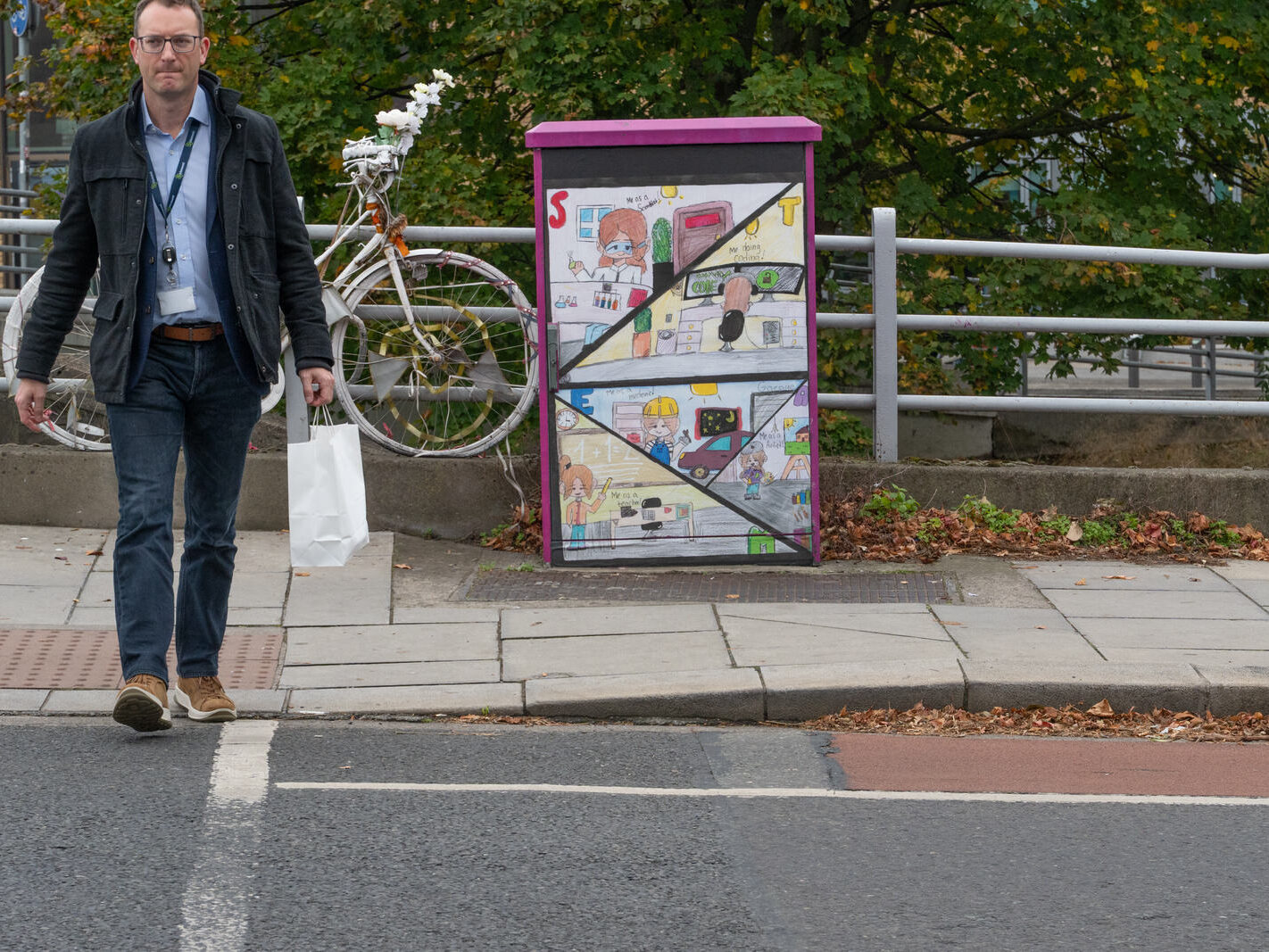
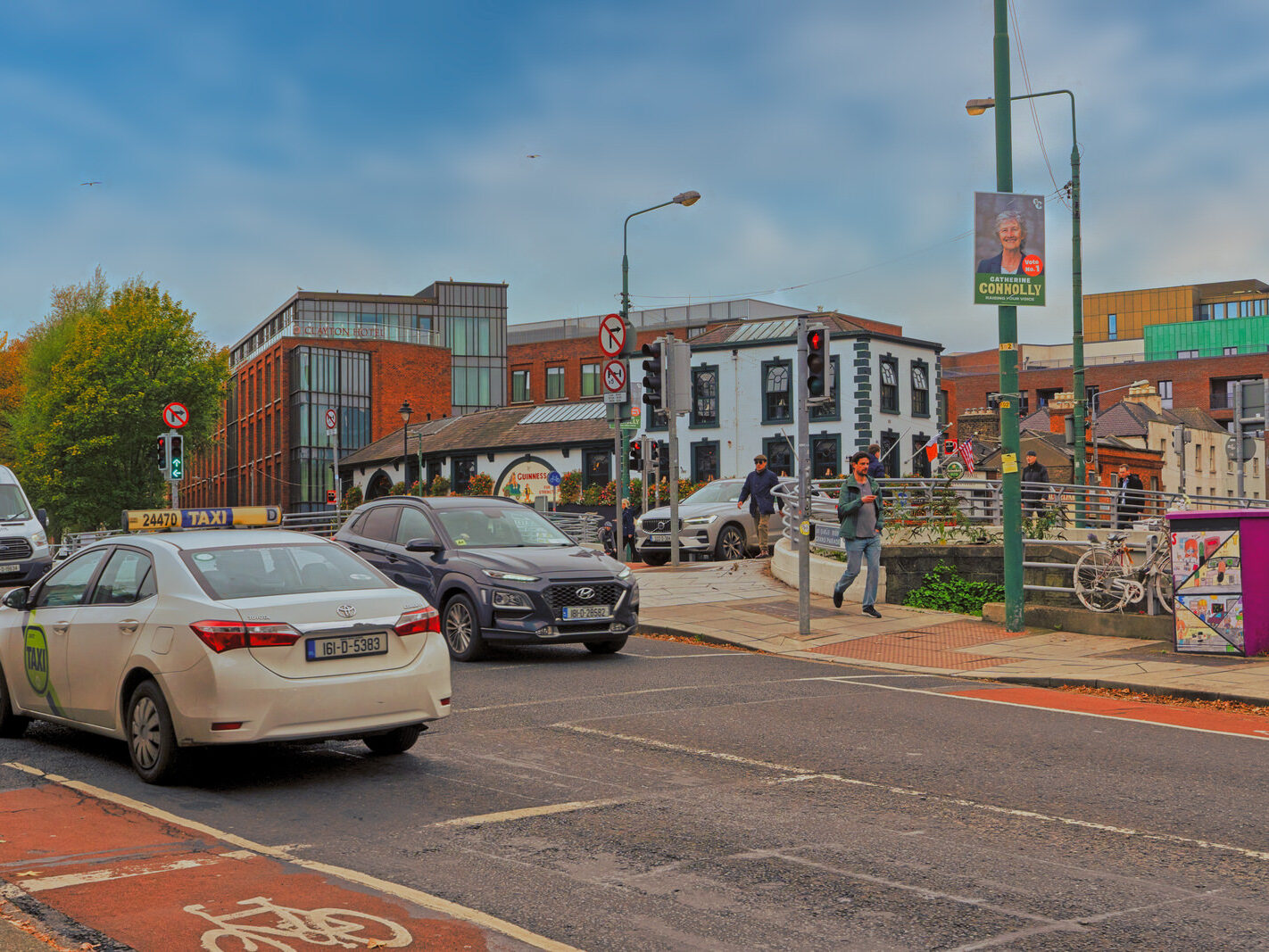
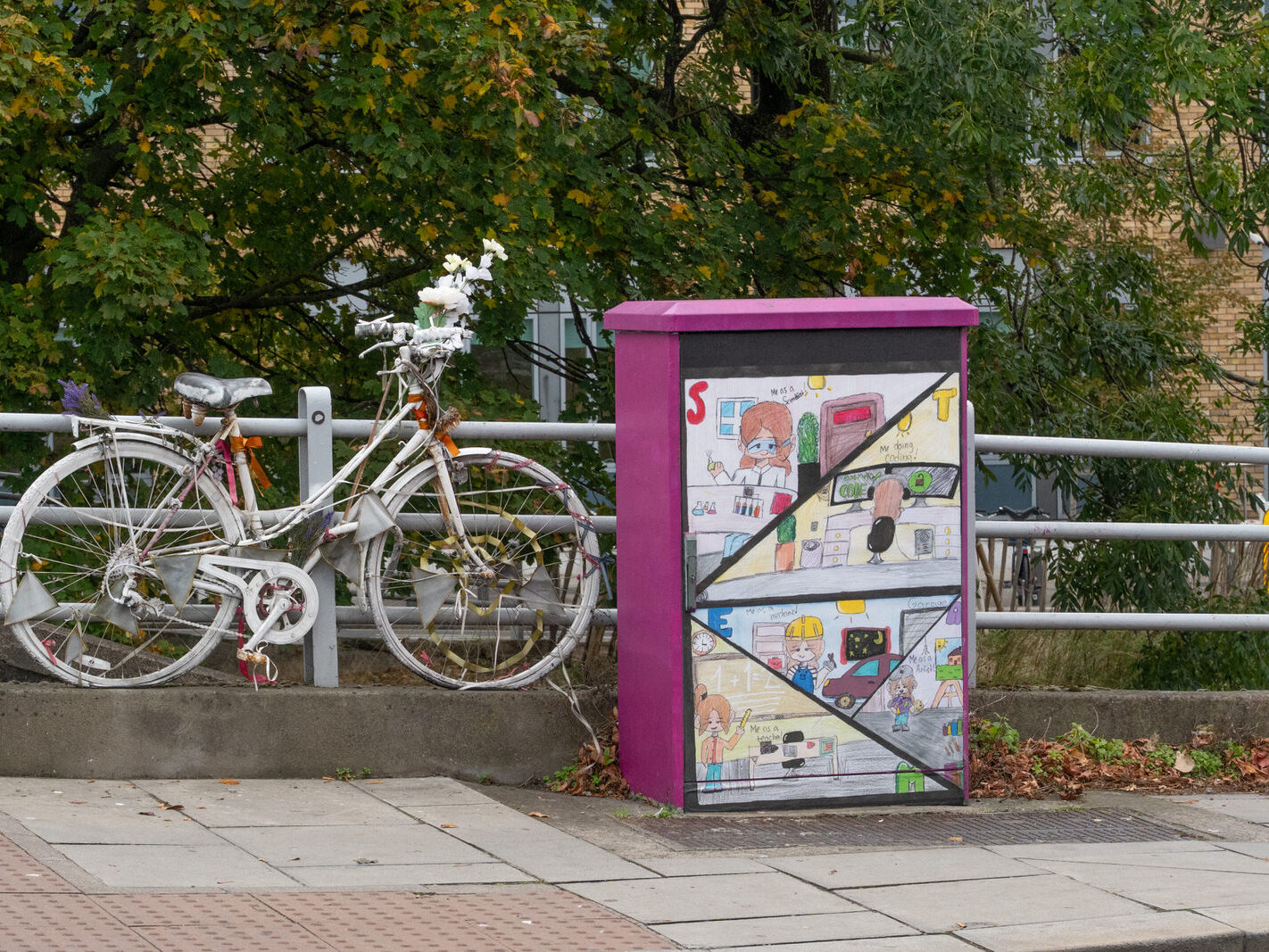
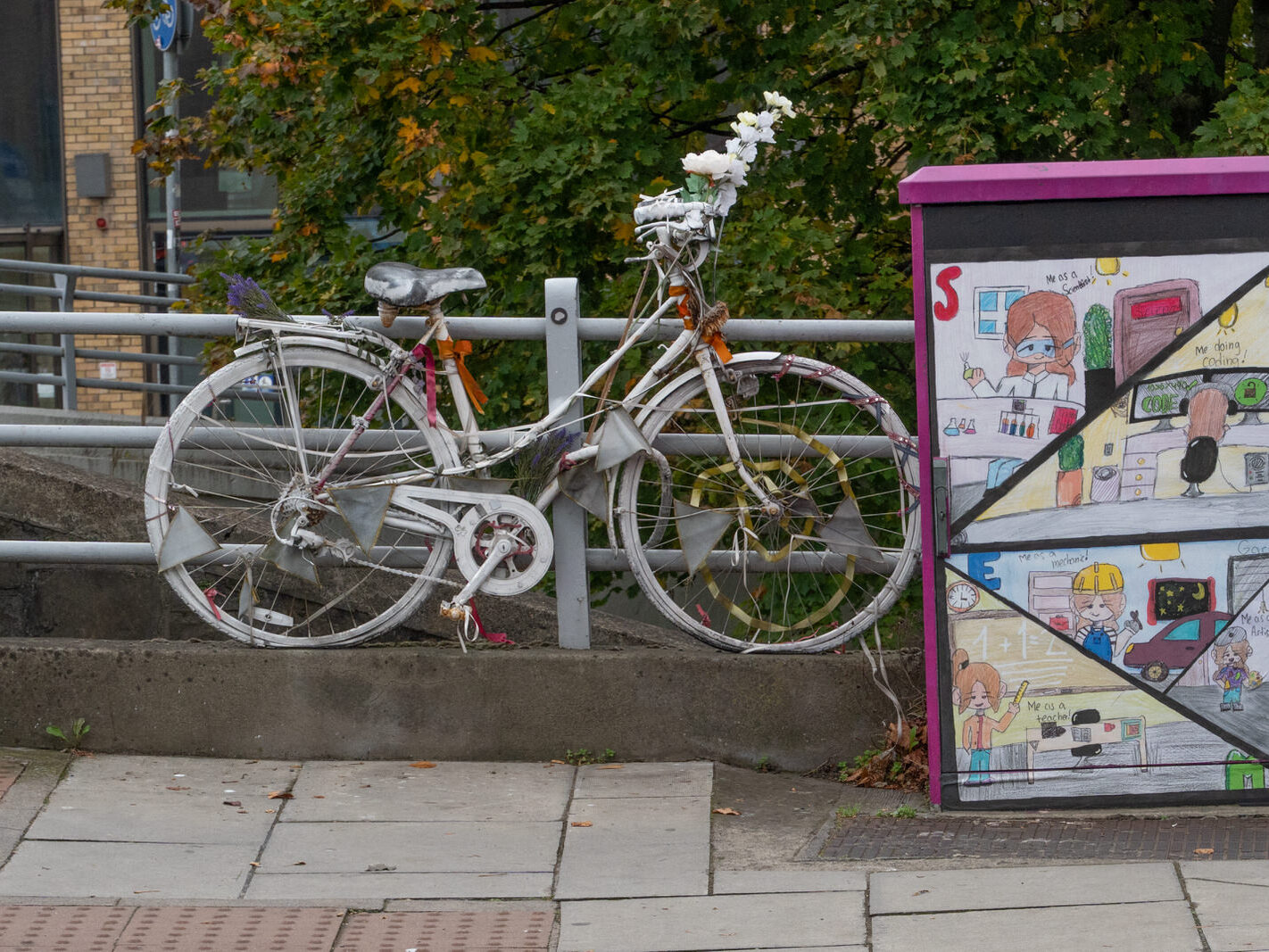
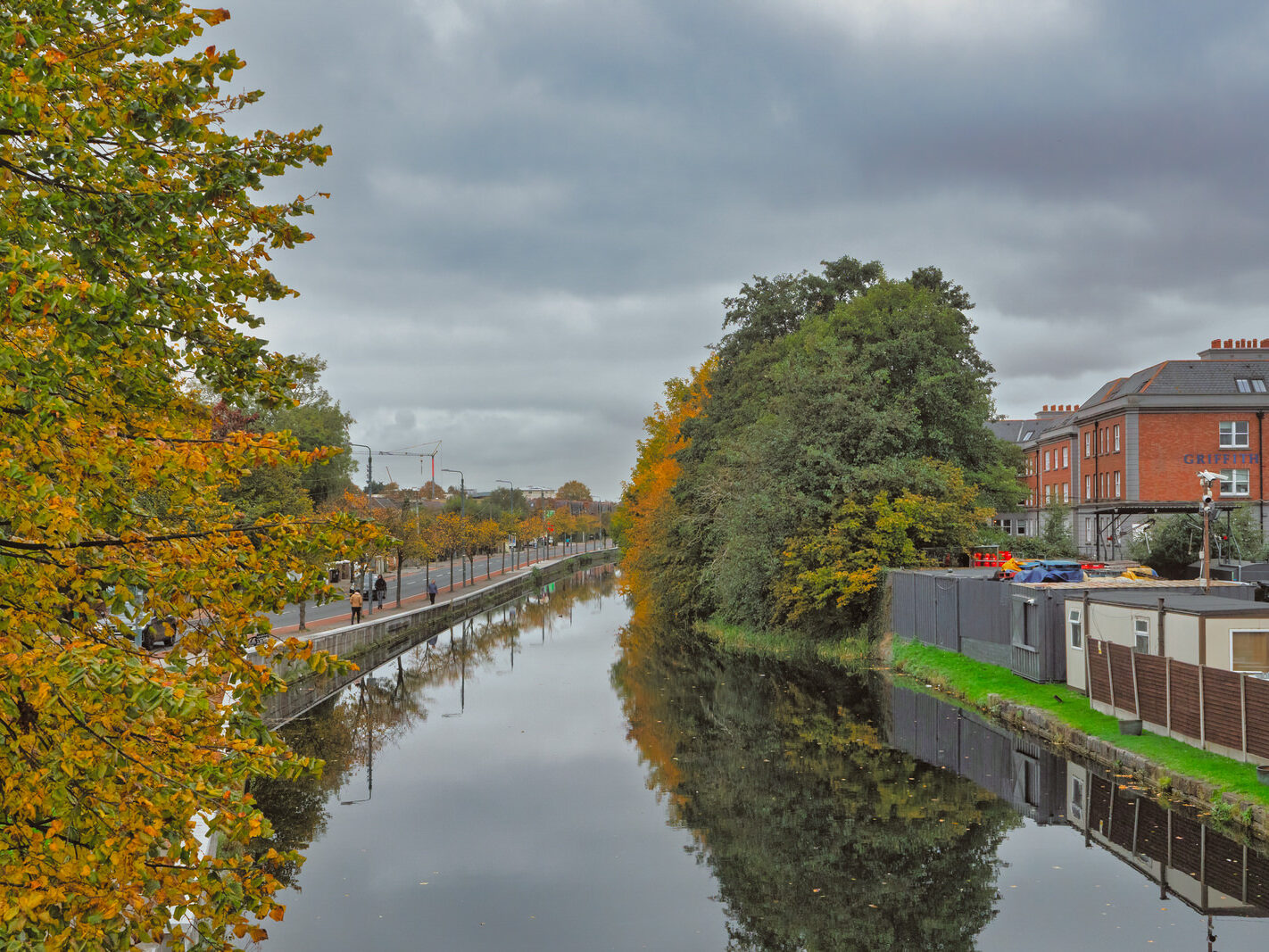
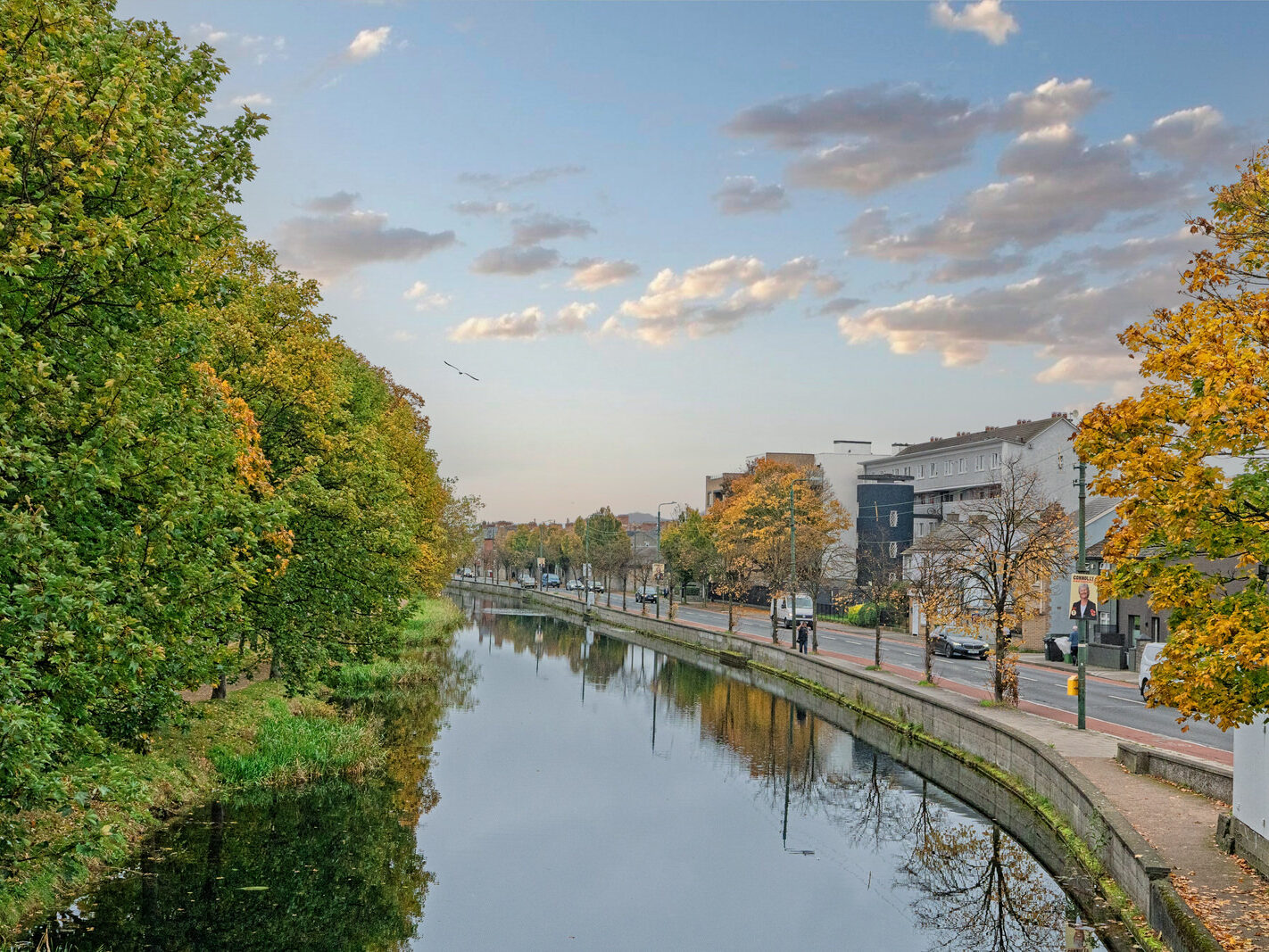
Along the Grand Canal, near the Charlemont Luas stop, a ghost bike stands as a silent, poignant sentinel. Painted stark white, it’s a memorial to a cyclist whose life was cut short. When I first photographed it, I wanted to learn the story behind it, to honour the individual it represents. However, finding a clear answer proved difficult, uncovering a web of confusion that tangles together different locations, names, and tragedies along the canal.
This post is an attempt to untangle that story, to clarify the facts, and to correctly honour the memories that these powerful symbols represent.
Two Bridges, Widespread Confusion
Much of the confusion stems from two separate bridges over the Grand Canal:
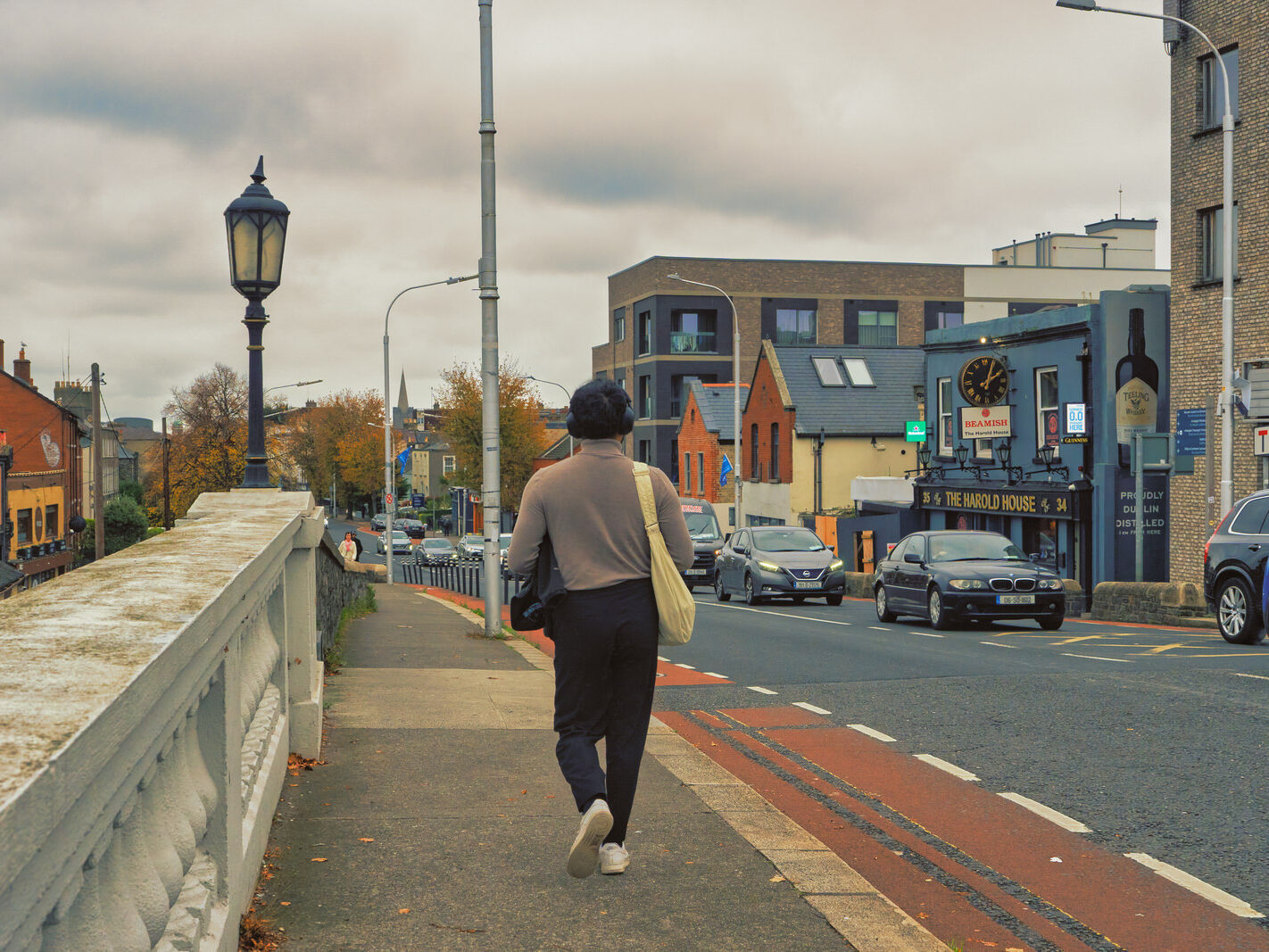
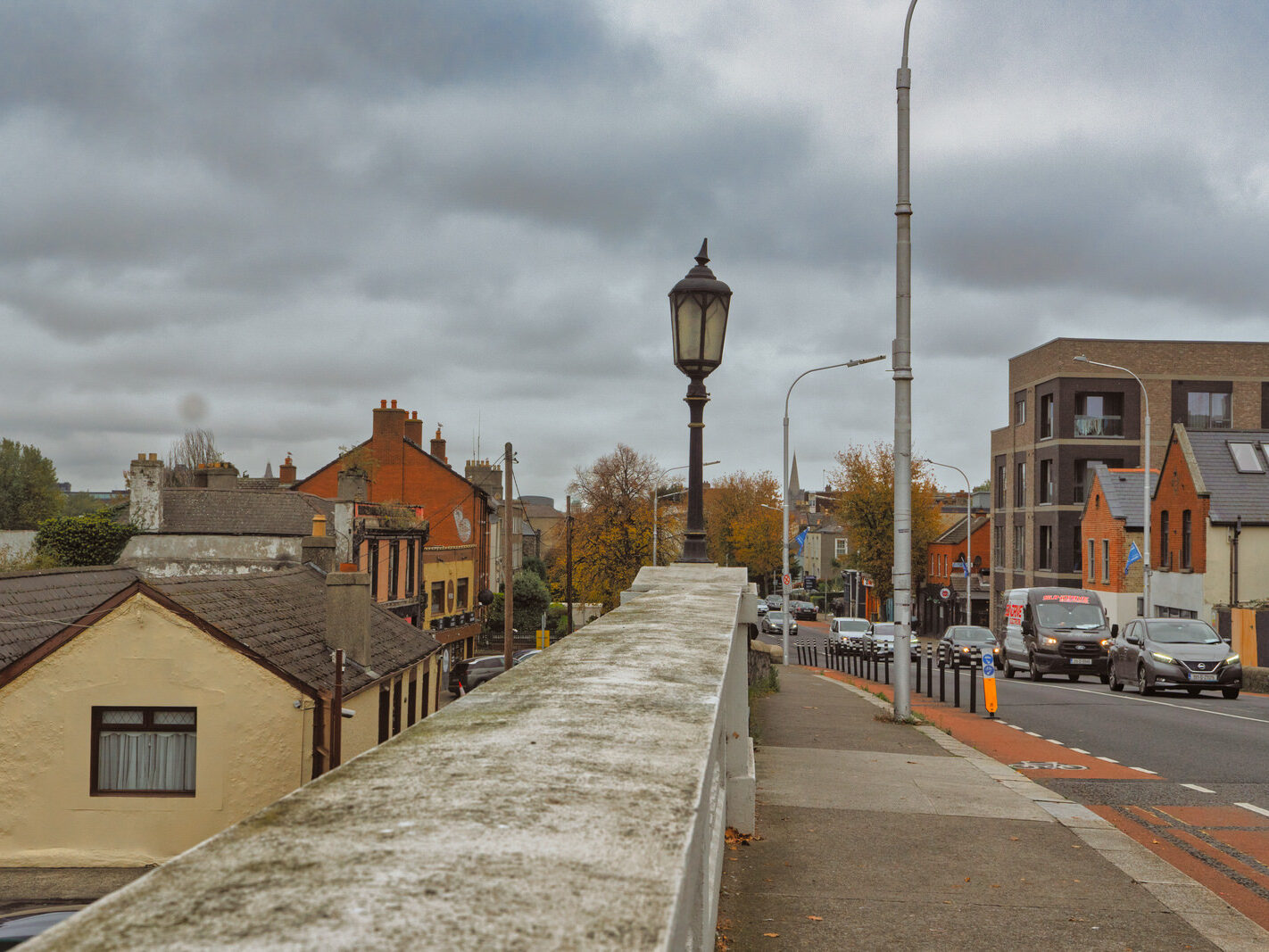
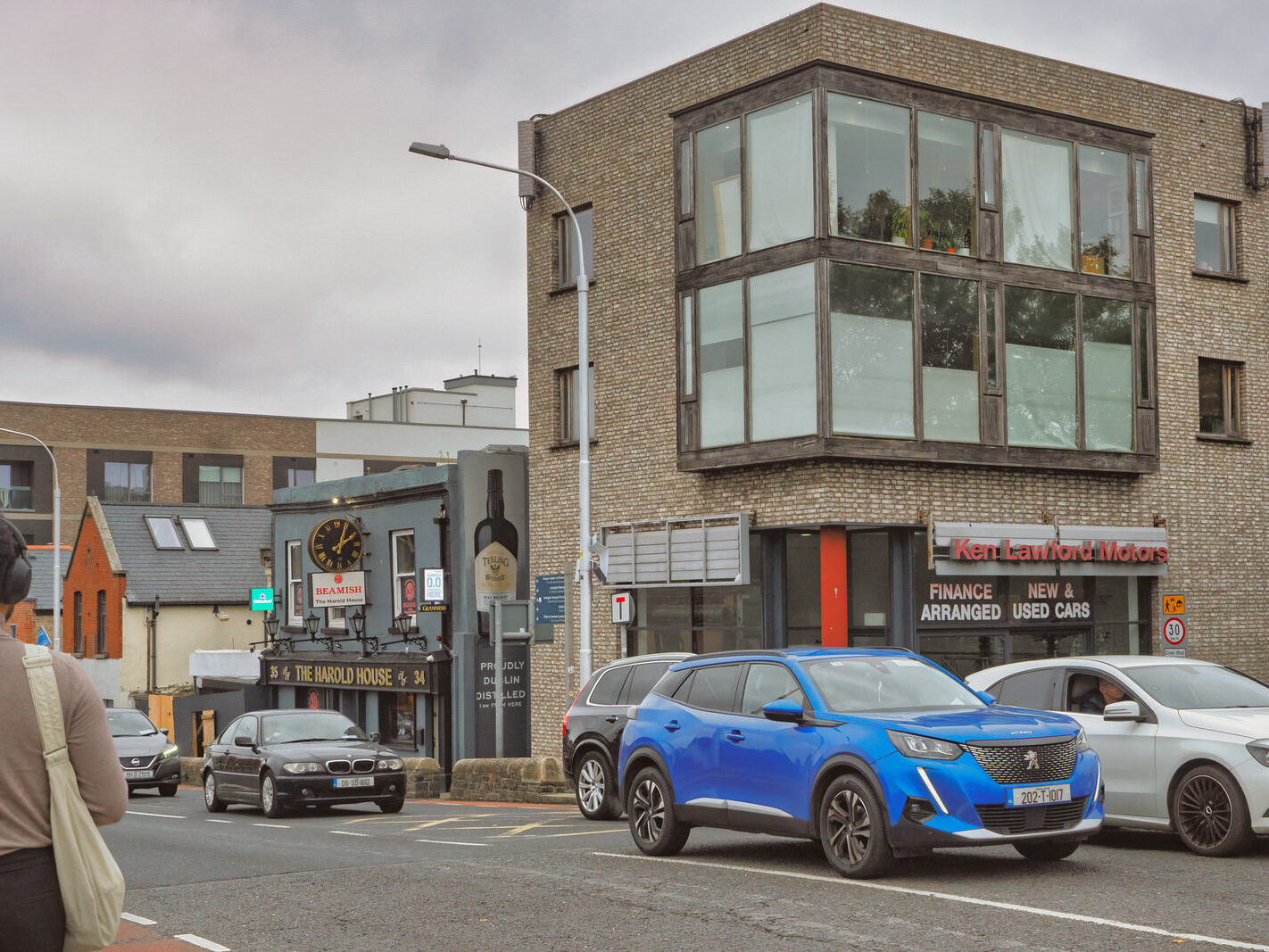
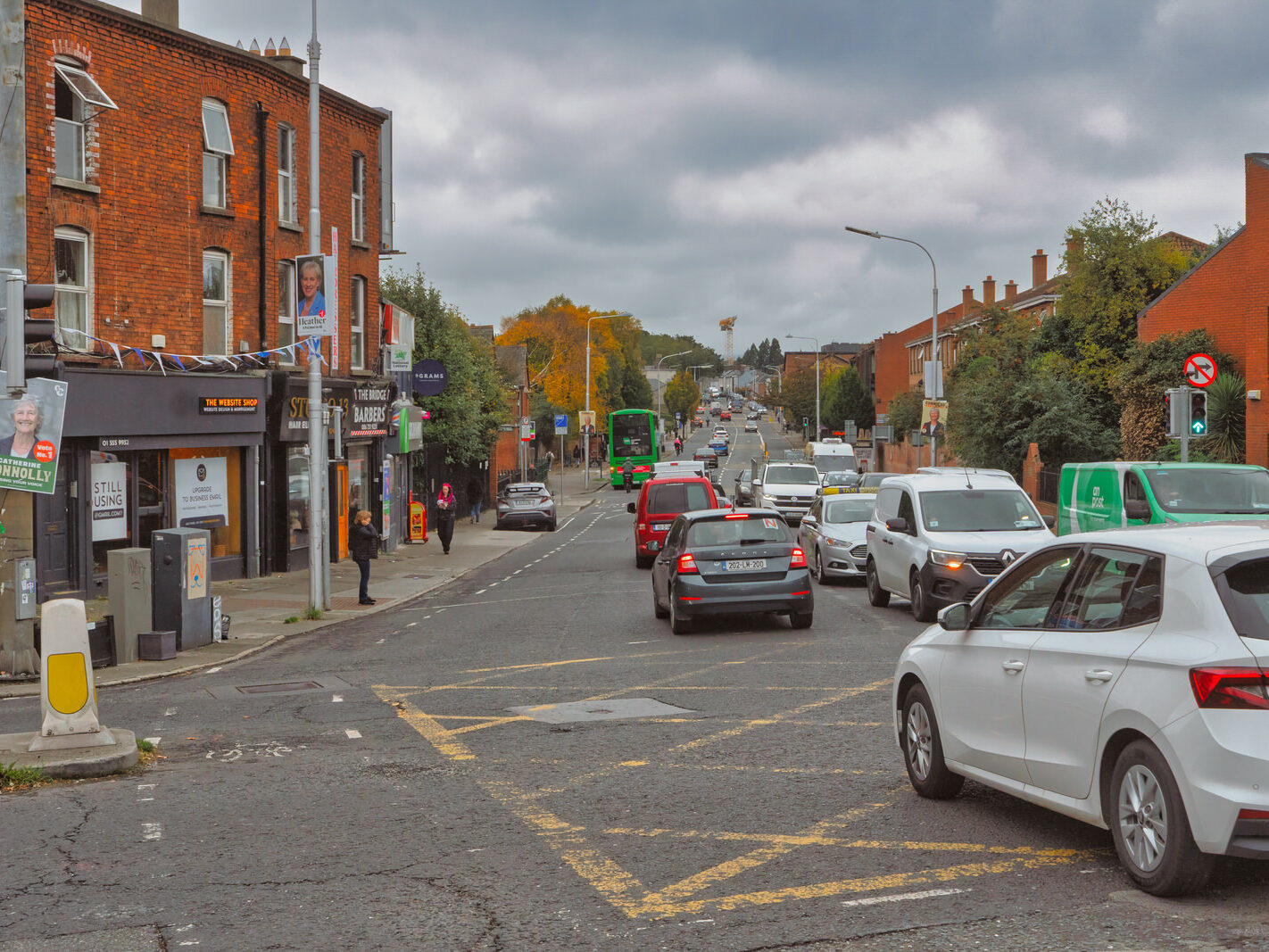
Robert Emmet Bridge: This bridge is much more widely known by its local name, Harold’s Cross Bridge. It carries Harold’s Cross Road over the canal.
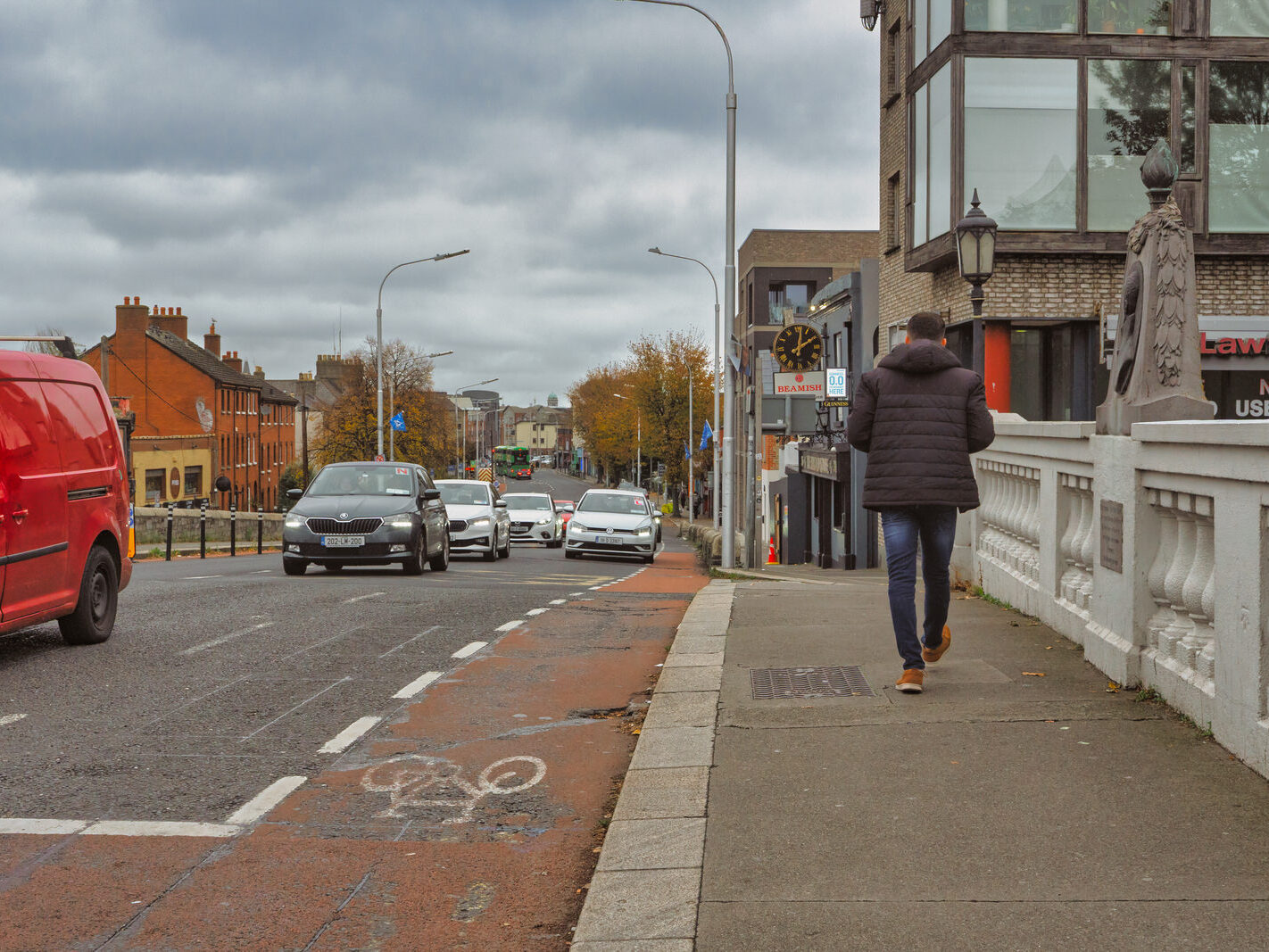
Charlemont Bridge: This is a distinct bridge about 1.5 km to the east, connecting Charlemont Street and Ranelagh Road.
A common mistake is to conflate the two, with some sources incorrectly referring to “Charlemont Bridge (now Emmet Bridge)”. They are, and always have been, two different structures. This geographical mix-up is the foundation for the other misplaced stories.
The Known Memorial: Zu Zhang Wong at Harold’s Cross
There is a well-documented and long-standing ghost bike at Robert Emmet Bridge (Harold’s Cross Bridge). This memorial is for Zu Zhang Wong.
On 14 January 2009, Mr. Wong, a 27-year-old Chinese national, was cycling to work when he was struck and killed by a cement truck at the junction. A month later, with his family’s permission, the Dublin Cycling Campaign installed the city’s first ghost bike in his memory.
For years, it stood as a powerful reminder of the dangers cyclists face. In 2016, it was controversially removed by the council, mistaken for an abandoned bicycle. Following a public outcry from the cycling community, a group of volunteers organised its reinstatement, and in February 2018, the memorial to Zu Zhang Wong was rightfully returned to its place.
A Separate Tragedy: The Case of Louise Butler
In trying to identify the Charlemont ghost bike, another name is often incorrectly mentioned: Louise Butler. This is a heartbreaking but separate tragedy that has been mistakenly linked to the canal memorials.
Louise Butler, 26, was tragically killed on 15 August 2013. However, her accident occurred at the junction of Frascati Road and Carysfort Avenue in Blackrock—a coastal suburb nearly 7 kilometres away from the Grand Canal. She was struck by a lorry while cycling to work.
While the circumstances were sadly similar to other incidents, her death is not connected to any ghost bike on the Grand Canal. The conflation of her story with these memorials is a common but incorrect assumption, likely arising from the passage of time and the merging of details in public memory.
The Unsolved Memorial at Charlemont
This brings us back to the original photograph—the ghost bike at Charlemont.
Despite the confusion with other memorials, this bike stands as its own distinct tribute. Some online sources have claimed it commemorates a cyclist killed in 2017. However, a review of official records and news archives from that year shows no reported cyclist fatalities at or near Charlemont Bridge.
The story of this specific memorial remains elusive. It is a stark reminder that behind every ghost bike is a personal tragedy, a family shattered, and a story that deserves to be told and remembered correctly. While we can clarify the known facts about the memorials at Harold’s Cross and Blackrock, the identity of the cyclist remembered at Charlemont remains, for now, a mystery. What is not a mystery is the urgent message it sends—a silent plea for safer streets for everyone.


![THE WIND SHELTERS AND THE BANDSTAND ALONG CLONTARF PROMENADE [REMAIN AS A TRIBUTE TO HERBERT SIMMS]-246838-1](https://excellentstreetimages.com/PhotoniqueSouthOfTheRiverLiffey/wp-content/uploads/2025/01/THE-WIND-SHELTERS-AND-THE-BANDSTAND-ALONG-CLONTARF-PROMENADE-REMAIN-AS-A-TRIBUTE-TO-HERBERT-SIMMS-246838-1-1422x1067.jpg "THE WIND SHELTERS AND THE BANDSTAND ALONG CLONTARF PROMENADE [REMAIN AS A TRIBUTE TO HERBERT SIMMS]-246838-1")
![THE WIND SHELTERS AND THE BANDSTAND ALONG CLONTARF PROMENADE [REMAIN AS A TRIBUTE TO HERBERT SIMMS]-246839-1](https://excellentstreetimages.com/PhotoniqueSouthOfTheRiverLiffey/wp-content/uploads/2025/01/THE-WIND-SHELTERS-AND-THE-BANDSTAND-ALONG-CLONTARF-PROMENADE-REMAIN-AS-A-TRIBUTE-TO-HERBERT-SIMMS-246839-1-1422x1067.jpg "THE WIND SHELTERS AND THE BANDSTAND ALONG CLONTARF PROMENADE [REMAIN AS A TRIBUTE TO HERBERT SIMMS]-246839-1")
![THE WIND SHELTERS AND THE BANDSTAND ALONG CLONTARF PROMENADE [REMAIN AS A TRIBUTE TO HERBERT SIMMS]-246840-1](https://excellentstreetimages.com/PhotoniqueSouthOfTheRiverLiffey/wp-content/uploads/2025/01/THE-WIND-SHELTERS-AND-THE-BANDSTAND-ALONG-CLONTARF-PROMENADE-REMAIN-AS-A-TRIBUTE-TO-HERBERT-SIMMS-246840-1-1422x1067.jpg "THE WIND SHELTERS AND THE BANDSTAND ALONG CLONTARF PROMENADE [REMAIN AS A TRIBUTE TO HERBERT SIMMS]-246840-1")
![THE WIND SHELTERS AND THE BANDSTAND ALONG CLONTARF PROMENADE [REMAIN AS A TRIBUTE TO HERBERT SIMMS]-246841-1](https://excellentstreetimages.com/PhotoniqueSouthOfTheRiverLiffey/wp-content/uploads/2025/01/THE-WIND-SHELTERS-AND-THE-BANDSTAND-ALONG-CLONTARF-PROMENADE-REMAIN-AS-A-TRIBUTE-TO-HERBERT-SIMMS-246841-1-1422x1067.jpg "THE WIND SHELTERS AND THE BANDSTAND ALONG CLONTARF PROMENADE [REMAIN AS A TRIBUTE TO HERBERT SIMMS]-246841-1")
![THE WIND SHELTERS AND THE BANDSTAND ALONG CLONTARF PROMENADE [REMAIN AS A TRIBUTE TO HERBERT SIMMS]-246842-1](https://excellentstreetimages.com/PhotoniqueSouthOfTheRiverLiffey/wp-content/uploads/2025/01/THE-WIND-SHELTERS-AND-THE-BANDSTAND-ALONG-CLONTARF-PROMENADE-REMAIN-AS-A-TRIBUTE-TO-HERBERT-SIMMS-246842-1-1422x1067.jpg "THE WIND SHELTERS AND THE BANDSTAND ALONG CLONTARF PROMENADE [REMAIN AS A TRIBUTE TO HERBERT SIMMS]-246842-1")
![THE WIND SHELTERS AND THE BANDSTAND ALONG CLONTARF PROMENADE [REMAIN AS A TRIBUTE TO HERBERT SIMMS]-246831-1](https://excellentstreetimages.com/PhotoniqueSouthOfTheRiverLiffey/wp-content/uploads/2025/01/THE-WIND-SHELTERS-AND-THE-BANDSTAND-ALONG-CLONTARF-PROMENADE-REMAIN-AS-A-TRIBUTE-TO-HERBERT-SIMMS-246831-1-1422x1067.jpg "THE WIND SHELTERS AND THE BANDSTAND ALONG CLONTARF PROMENADE [REMAIN AS A TRIBUTE TO HERBERT SIMMS]-246831-1")
![THE WIND SHELTERS AND THE BANDSTAND ALONG CLONTARF PROMENADE [REMAIN AS A TRIBUTE TO HERBERT SIMMS]-246832-1](https://excellentstreetimages.com/PhotoniqueSouthOfTheRiverLiffey/wp-content/uploads/2025/01/THE-WIND-SHELTERS-AND-THE-BANDSTAND-ALONG-CLONTARF-PROMENADE-REMAIN-AS-A-TRIBUTE-TO-HERBERT-SIMMS-246832-1-1422x1067.jpg "THE WIND SHELTERS AND THE BANDSTAND ALONG CLONTARF PROMENADE [REMAIN AS A TRIBUTE TO HERBERT SIMMS]-246832-1")
![THE WIND SHELTERS AND THE BANDSTAND ALONG CLONTARF PROMENADE [REMAIN AS A TRIBUTE TO HERBERT SIMMS]-246833-1](https://excellentstreetimages.com/PhotoniqueSouthOfTheRiverLiffey/wp-content/uploads/2025/01/THE-WIND-SHELTERS-AND-THE-BANDSTAND-ALONG-CLONTARF-PROMENADE-REMAIN-AS-A-TRIBUTE-TO-HERBERT-SIMMS-246833-1-1422x1067.jpg "THE WIND SHELTERS AND THE BANDSTAND ALONG CLONTARF PROMENADE [REMAIN AS A TRIBUTE TO HERBERT SIMMS]-246833-1")
![THE WIND SHELTERS AND THE BANDSTAND ALONG CLONTARF PROMENADE [REMAIN AS A TRIBUTE TO HERBERT SIMMS]-246834-1](https://excellentstreetimages.com/PhotoniqueSouthOfTheRiverLiffey/wp-content/uploads/2025/01/THE-WIND-SHELTERS-AND-THE-BANDSTAND-ALONG-CLONTARF-PROMENADE-REMAIN-AS-A-TRIBUTE-TO-HERBERT-SIMMS-246834-1-1422x1067.jpg "THE WIND SHELTERS AND THE BANDSTAND ALONG CLONTARF PROMENADE [REMAIN AS A TRIBUTE TO HERBERT SIMMS]-246834-1")
![THE WIND SHELTERS AND THE BANDSTAND ALONG CLONTARF PROMENADE [REMAIN AS A TRIBUTE TO HERBERT SIMMS]-246835-1](https://excellentstreetimages.com/PhotoniqueSouthOfTheRiverLiffey/wp-content/uploads/2025/01/THE-WIND-SHELTERS-AND-THE-BANDSTAND-ALONG-CLONTARF-PROMENADE-REMAIN-AS-A-TRIBUTE-TO-HERBERT-SIMMS-246835-1-1422x1067.jpg "THE WIND SHELTERS AND THE BANDSTAND ALONG CLONTARF PROMENADE [REMAIN AS A TRIBUTE TO HERBERT SIMMS]-246835-1")
![THE WIND SHELTERS AND THE BANDSTAND ALONG CLONTARF PROMENADE [REMAIN AS A TRIBUTE TO HERBERT SIMMS]-246836-1](https://excellentstreetimages.com/PhotoniqueSouthOfTheRiverLiffey/wp-content/uploads/2025/01/THE-WIND-SHELTERS-AND-THE-BANDSTAND-ALONG-CLONTARF-PROMENADE-REMAIN-AS-A-TRIBUTE-TO-HERBERT-SIMMS-246836-1-1422x1067.jpg "THE WIND SHELTERS AND THE BANDSTAND ALONG CLONTARF PROMENADE [REMAIN AS A TRIBUTE TO HERBERT SIMMS]-246836-1")
![THE WIND SHELTERS AND THE BANDSTAND ALONG CLONTARF PROMENADE [REMAIN AS A TRIBUTE TO HERBERT SIMMS]-246837-1](https://excellentstreetimages.com/PhotoniqueSouthOfTheRiverLiffey/wp-content/uploads/2025/01/THE-WIND-SHELTERS-AND-THE-BANDSTAND-ALONG-CLONTARF-PROMENADE-REMAIN-AS-A-TRIBUTE-TO-HERBERT-SIMMS-246837-1-1422x1067.jpg "THE WIND SHELTERS AND THE BANDSTAND ALONG CLONTARF PROMENADE [REMAIN AS A TRIBUTE TO HERBERT SIMMS]-246837-1")
![THE WIND SHELTERS AND THE BANDSTAND ALONG CLONTARF PROMENADE [REMAIN AS A TRIBUTE TO HERBERT SIMMS]-246825-1](https://excellentstreetimages.com/PhotoniqueSouthOfTheRiverLiffey/wp-content/uploads/2025/01/THE-WIND-SHELTERS-AND-THE-BANDSTAND-ALONG-CLONTARF-PROMENADE-REMAIN-AS-A-TRIBUTE-TO-HERBERT-SIMMS-246825-1-1422x1067.jpg "THE WIND SHELTERS AND THE BANDSTAND ALONG CLONTARF PROMENADE [REMAIN AS A TRIBUTE TO HERBERT SIMMS]-246825-1")
![THE WIND SHELTERS AND THE BANDSTAND ALONG CLONTARF PROMENADE [REMAIN AS A TRIBUTE TO HERBERT SIMMS]-246826-1](https://excellentstreetimages.com/PhotoniqueSouthOfTheRiverLiffey/wp-content/uploads/2025/01/THE-WIND-SHELTERS-AND-THE-BANDSTAND-ALONG-CLONTARF-PROMENADE-REMAIN-AS-A-TRIBUTE-TO-HERBERT-SIMMS-246826-1-1422x1067.jpg "THE WIND SHELTERS AND THE BANDSTAND ALONG CLONTARF PROMENADE [REMAIN AS A TRIBUTE TO HERBERT SIMMS]-246826-1")
![THE WIND SHELTERS AND THE BANDSTAND ALONG CLONTARF PROMENADE [REMAIN AS A TRIBUTE TO HERBERT SIMMS]-246827-1](https://excellentstreetimages.com/PhotoniqueSouthOfTheRiverLiffey/wp-content/uploads/2025/01/THE-WIND-SHELTERS-AND-THE-BANDSTAND-ALONG-CLONTARF-PROMENADE-REMAIN-AS-A-TRIBUTE-TO-HERBERT-SIMMS-246827-1-1422x1067.jpg "THE WIND SHELTERS AND THE BANDSTAND ALONG CLONTARF PROMENADE [REMAIN AS A TRIBUTE TO HERBERT SIMMS]-246827-1")
![THE WIND SHELTERS AND THE BANDSTAND ALONG CLONTARF PROMENADE [REMAIN AS A TRIBUTE TO HERBERT SIMMS]-246828-1](https://excellentstreetimages.com/PhotoniqueSouthOfTheRiverLiffey/wp-content/uploads/2025/01/THE-WIND-SHELTERS-AND-THE-BANDSTAND-ALONG-CLONTARF-PROMENADE-REMAIN-AS-A-TRIBUTE-TO-HERBERT-SIMMS-246828-1-1422x1067.jpg "THE WIND SHELTERS AND THE BANDSTAND ALONG CLONTARF PROMENADE [REMAIN AS A TRIBUTE TO HERBERT SIMMS]-246828-1")
![THE WIND SHELTERS AND THE BANDSTAND ALONG CLONTARF PROMENADE [REMAIN AS A TRIBUTE TO HERBERT SIMMS]-246829-1](https://excellentstreetimages.com/PhotoniqueSouthOfTheRiverLiffey/wp-content/uploads/2025/01/THE-WIND-SHELTERS-AND-THE-BANDSTAND-ALONG-CLONTARF-PROMENADE-REMAIN-AS-A-TRIBUTE-TO-HERBERT-SIMMS-246829-1-1422x1067.jpg "THE WIND SHELTERS AND THE BANDSTAND ALONG CLONTARF PROMENADE [REMAIN AS A TRIBUTE TO HERBERT SIMMS]-246829-1")
![THE WIND SHELTERS AND THE BANDSTAND ALONG CLONTARF PROMENADE [REMAIN AS A TRIBUTE TO HERBERT SIMMS]-246830-1](https://excellentstreetimages.com/PhotoniqueSouthOfTheRiverLiffey/wp-content/uploads/2025/01/THE-WIND-SHELTERS-AND-THE-BANDSTAND-ALONG-CLONTARF-PROMENADE-REMAIN-AS-A-TRIBUTE-TO-HERBERT-SIMMS-246830-1-1422x1067.jpg "THE WIND SHELTERS AND THE BANDSTAND ALONG CLONTARF PROMENADE [REMAIN AS A TRIBUTE TO HERBERT SIMMS]-246830-1")
![THE WIND SHELTERS AND THE BANDSTAND ALONG CLONTARF PROMENADE [REMAIN AS A TRIBUTE TO HERBERT SIMMS]-246821-1](https://excellentstreetimages.com/PhotoniqueSouthOfTheRiverLiffey/wp-content/uploads/2025/01/THE-WIND-SHELTERS-AND-THE-BANDSTAND-ALONG-CLONTARF-PROMENADE-REMAIN-AS-A-TRIBUTE-TO-HERBERT-SIMMS-246821-1-1422x1067.jpg "THE WIND SHELTERS AND THE BANDSTAND ALONG CLONTARF PROMENADE [REMAIN AS A TRIBUTE TO HERBERT SIMMS]-246821-1")
![THE WIND SHELTERS AND THE BANDSTAND ALONG CLONTARF PROMENADE [REMAIN AS A TRIBUTE TO HERBERT SIMMS]-246824-1](https://excellentstreetimages.com/PhotoniqueSouthOfTheRiverLiffey/wp-content/uploads/2025/01/THE-WIND-SHELTERS-AND-THE-BANDSTAND-ALONG-CLONTARF-PROMENADE-REMAIN-AS-A-TRIBUTE-TO-HERBERT-SIMMS-246824-1-1422x1067.jpg "THE WIND SHELTERS AND THE BANDSTAND ALONG CLONTARF PROMENADE [REMAIN AS A TRIBUTE TO HERBERT SIMMS]-246824-1")
![THE WIND SHELTERS AND THE BANDSTAND ALONG CLONTARF PROMENADE [REMAIN AS A TRIBUTE TO HERBERT SIMMS]-246822-1](https://excellentstreetimages.com/PhotoniqueSouthOfTheRiverLiffey/wp-content/uploads/2025/01/THE-WIND-SHELTERS-AND-THE-BANDSTAND-ALONG-CLONTARF-PROMENADE-REMAIN-AS-A-TRIBUTE-TO-HERBERT-SIMMS-246822-1-1422x1067.jpg "THE WIND SHELTERS AND THE BANDSTAND ALONG CLONTARF PROMENADE [REMAIN AS A TRIBUTE TO HERBERT SIMMS]-246822-1")
![THE WIND SHELTERS AND THE BANDSTAND ALONG CLONTARF PROMENADE [REMAIN AS A TRIBUTE TO HERBERT SIMMS]-246823-1](https://excellentstreetimages.com/PhotoniqueSouthOfTheRiverLiffey/wp-content/uploads/2025/01/THE-WIND-SHELTERS-AND-THE-BANDSTAND-ALONG-CLONTARF-PROMENADE-REMAIN-AS-A-TRIBUTE-TO-HERBERT-SIMMS-246823-1-1422x1067.jpg "THE WIND SHELTERS AND THE BANDSTAND ALONG CLONTARF PROMENADE [REMAIN AS A TRIBUTE TO HERBERT SIMMS]-246823-1")