• Skip to main content

HEADLESS SOUTH OF THE RIVER

STREET PHOTOGRAPHY

Portobello

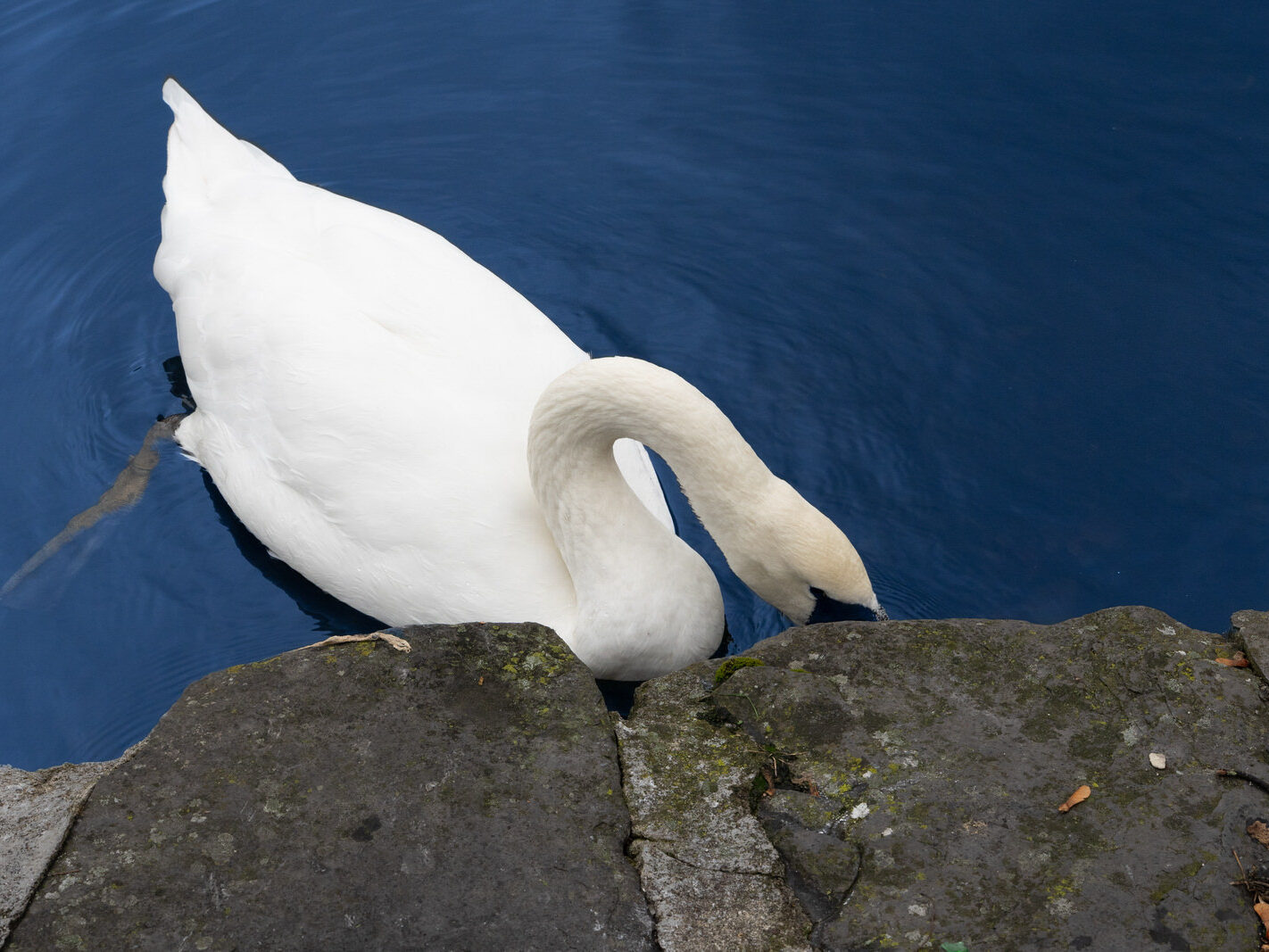
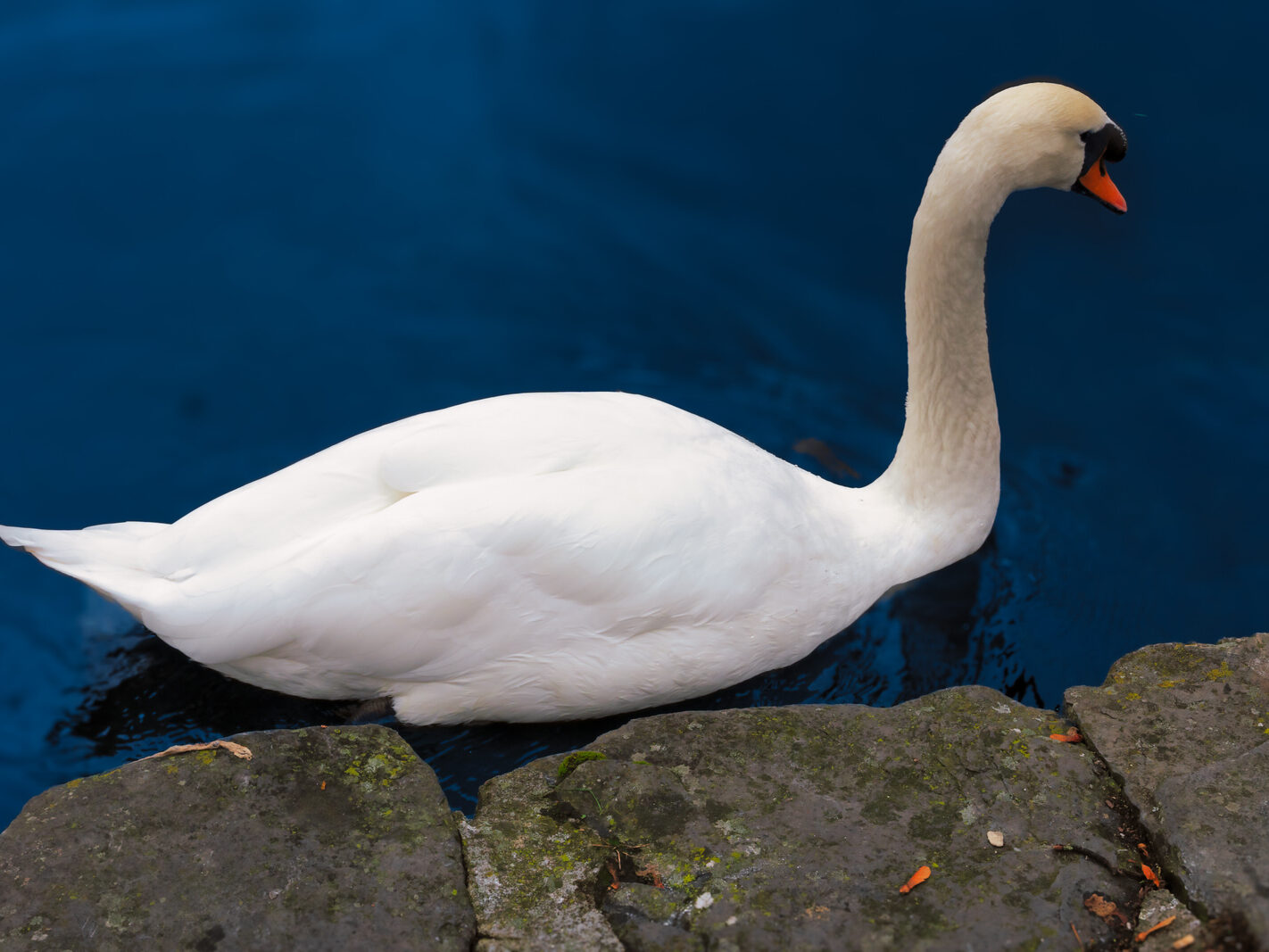
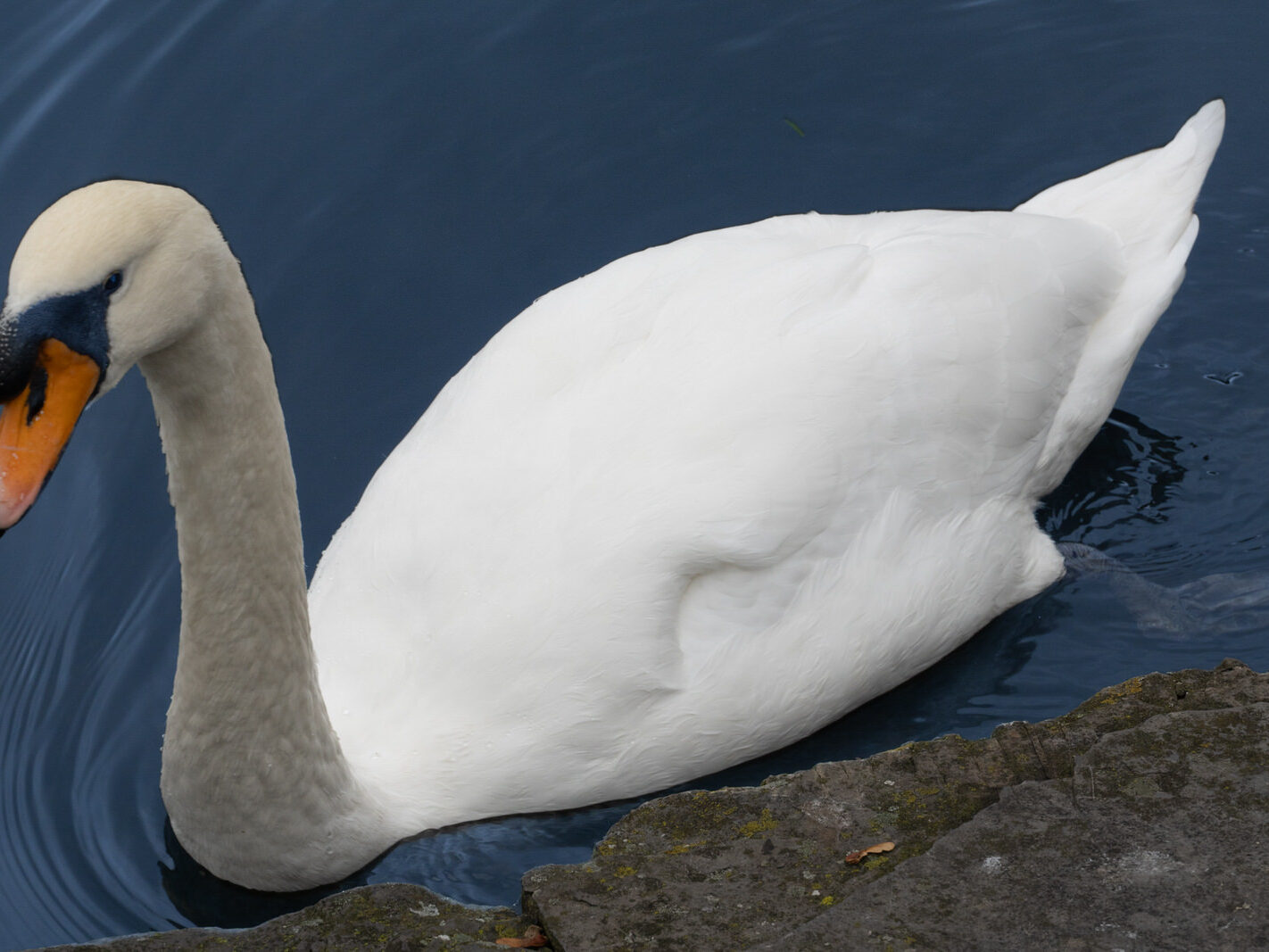
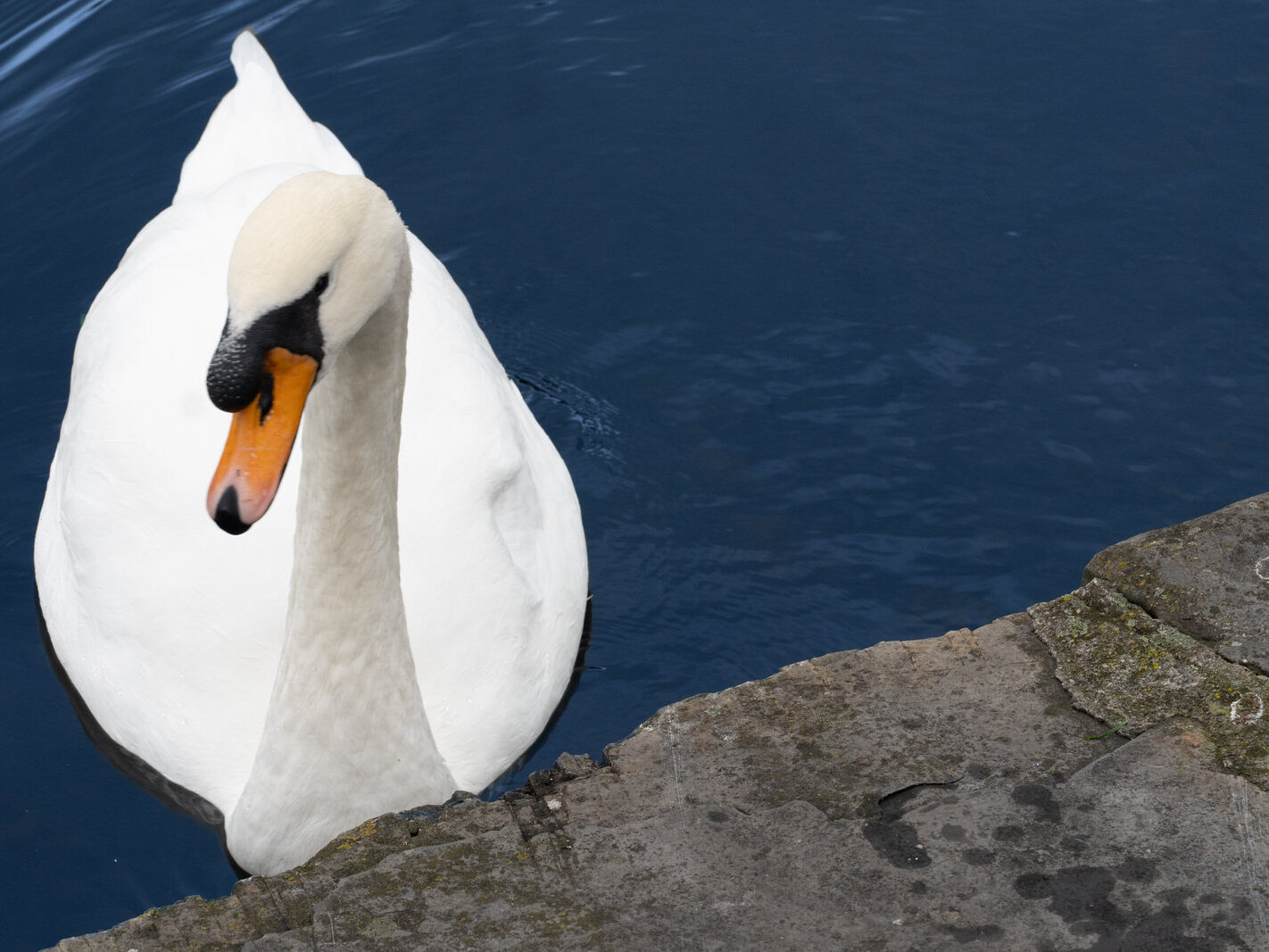
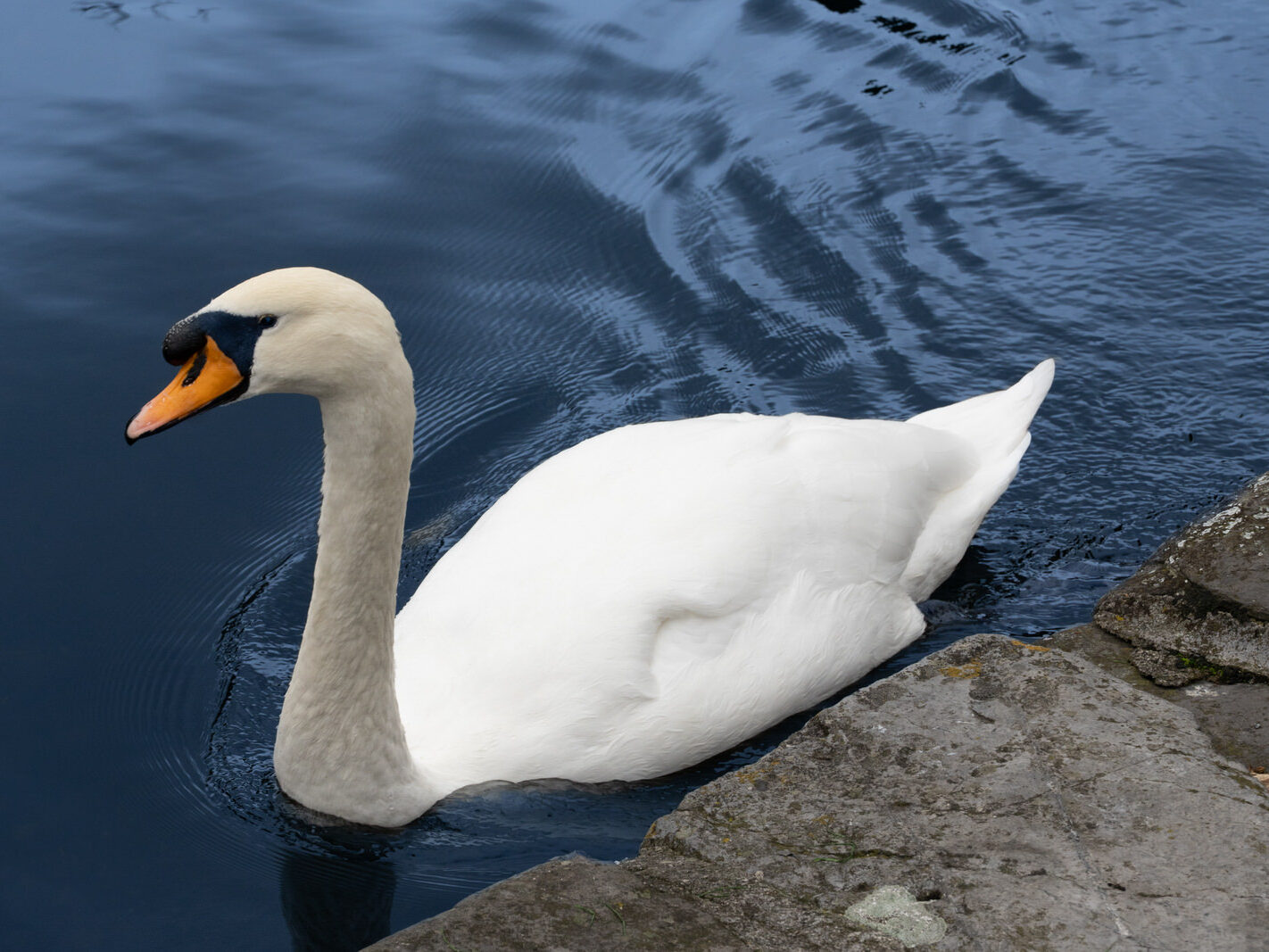
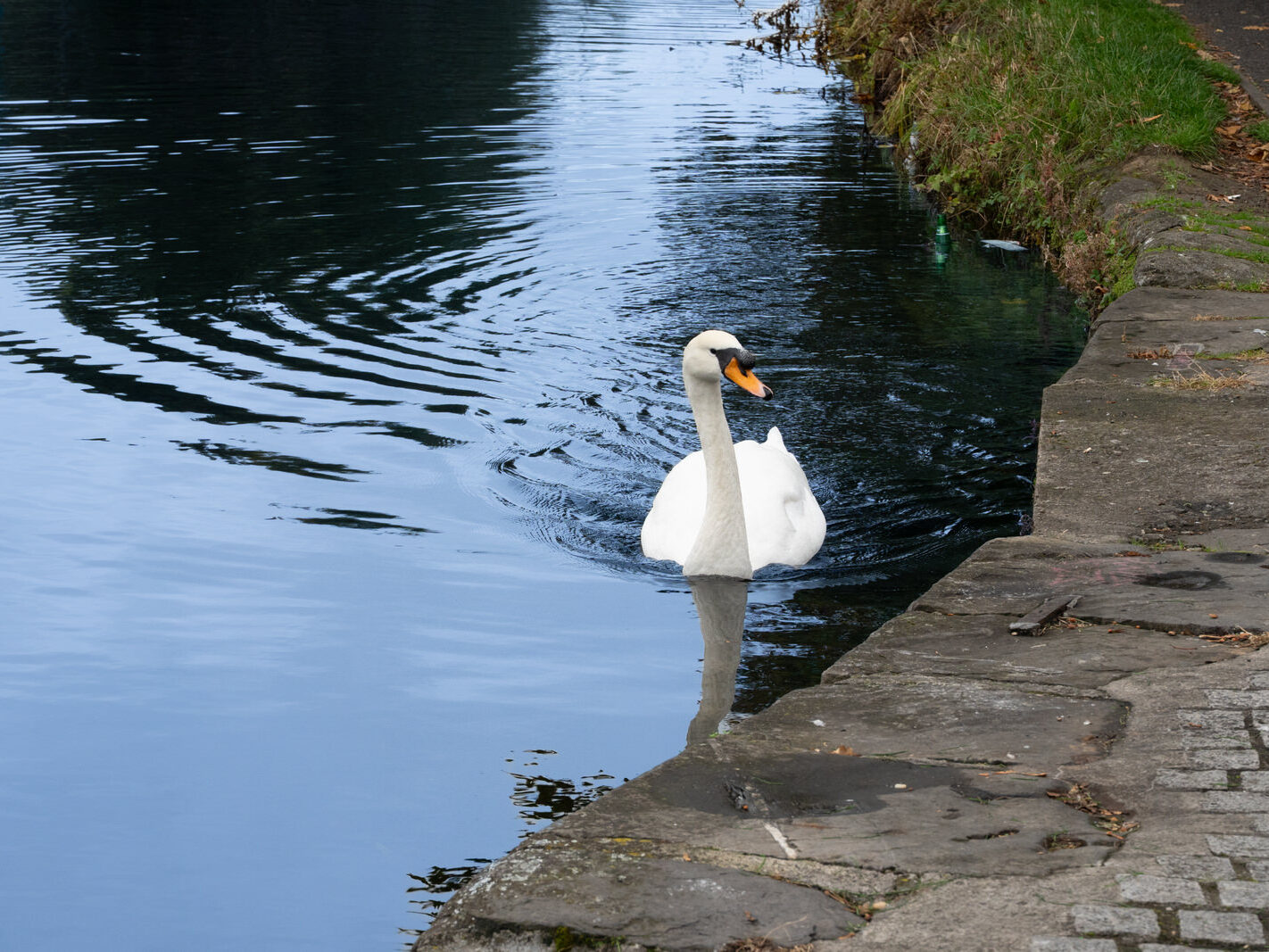
THIS SWAN WAS EXPECTING TO BE FED – PORTOBELLO HARBOUR IN DUBLIN

October 14, 2025 by infomatique

PORTOBELLO HARBOUR


Ireland is home to a native swan species and plays host to two migratory species that grace its wetlands during the winter months. While feeding these elegant birds is a popular pastime, it is crucial to understand the potential harm caused by inappropriate food, particularly bread.

Native and Migratory Swans in Ireland

Ireland’s swan population is comprised of one resident species and two winter migrants:

The Mute Swan (Cygnus olor): This is Ireland’s only native swan species and can be found in waterways and coastal areas throughout the year. They are easily recognizable by their bright orange bill with a prominent black knob at the base. While they are year-round residents, their numbers can be supplemented by individuals migrating from Britain and Europe during the winter.

The Whooper Swan (Cygnus cygnus): A migratory species, the Whooper Swan travels from its breeding grounds in Iceland to spend the winter in Ireland. They are a spectacular sight, often arriving in large flocks from October and departing in April. They are distinguishable from Mute Swans by their yellow and black bill, which lacks the prominent knob.

The Bewick’s Swan (Cygnus columbianus bewickii): This is the smallest of the three swan species found in Ireland and is also a winter migrant. They journey from their breeding grounds in Arctic Russia. However, their numbers have been declining in Ireland in recent years. They have a similar yellow and black bill to the Whooper Swan, but the yellow patch is smaller.

The Dangers of Feeding Bread to Swans

While the tradition of feeding bread to swans is well-intentioned, it can be detrimental to their health and the wider ecosystem for several reasons:

Nutritional Deficiencies: Bread, especially white bread, is low in the essential nutrients that swans require. A diet heavy in bread can lead to malnutrition and health problems.

“Angel Wing”: This condition, where the last joint of the wing twists outwards, is often linked to a high-calorie, low-nutrient diet, which can be caused by excessive bread consumption, particularly in young, growing swans (cygnets). This can render them flightless.

Water Pollution: Uneaten bread rots in the water, which can lead to an increase in algae. This process depletes oxygen in the water, harming fish and other aquatic life.

Attraction of Pests: Leftover bread can attract rodents and other pests, creating unsanitary conditions.

Spread of Disease: Mouldy bread can be harmful to swans, and a congregation of birds in one area to feed can facilitate the spread of diseases.

What to Feed Swans Instead

If you wish to feed swans, it is best to offer them foods that are closer to their natural diet. Here are some healthier alternatives:

Grains: Wheat, corn, and oats are excellent choices.

Vegetables: Chopped lettuce, spinach, and peas are all suitable.

Specialist Waterfowl Food: Many pet stores and bird food suppliers sell specially formulated pellets for swans and ducks that float on the water.

When feeding swans, it is important to throw the food into the water to avoid encouraging them to come onto the bank, which can be dangerous for them. It is also crucial to only provide as much food as they can consume in a short period to prevent waste and pollution.
Filed Under: 2025, Grand Canal, Portobello, Sony FX30, Swan Tagged With: angel wing, Bewick's Swan, birdwatching Ireland, Cygnus cygnus, Cygnus olor, feeding swans, Infomatique, Irish wildlife, migratory birds, Mute Swan, native swans, Photonique, Sony FX30, Swans in Ireland, what to feed swans, Whooper Swan, William Murphy

A WALK ALONG WINDSOR TERRACE IN PORTOBELLO

October 14, 2025 by infomatique

I USED A SONY FX30 CAMERA


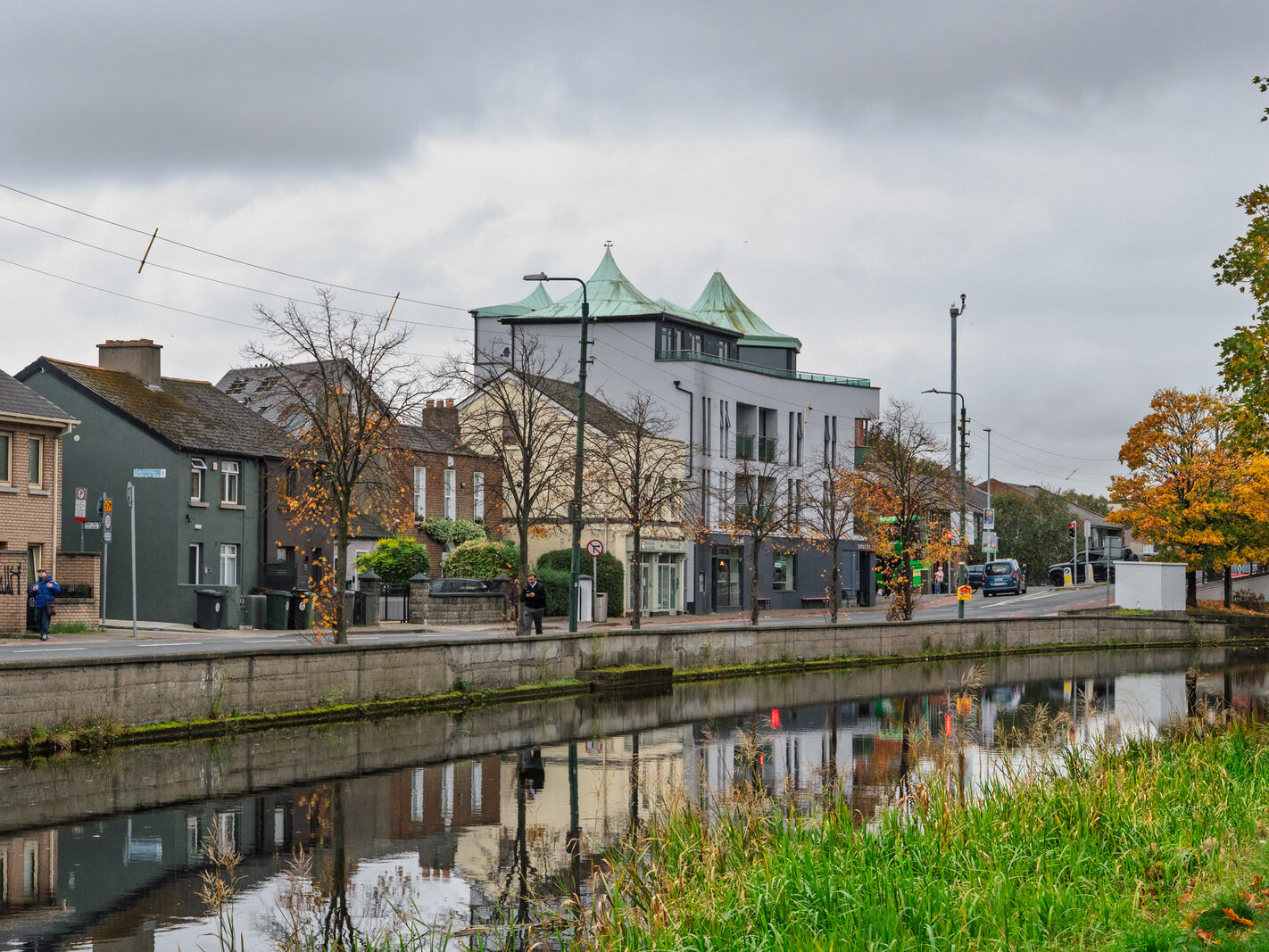
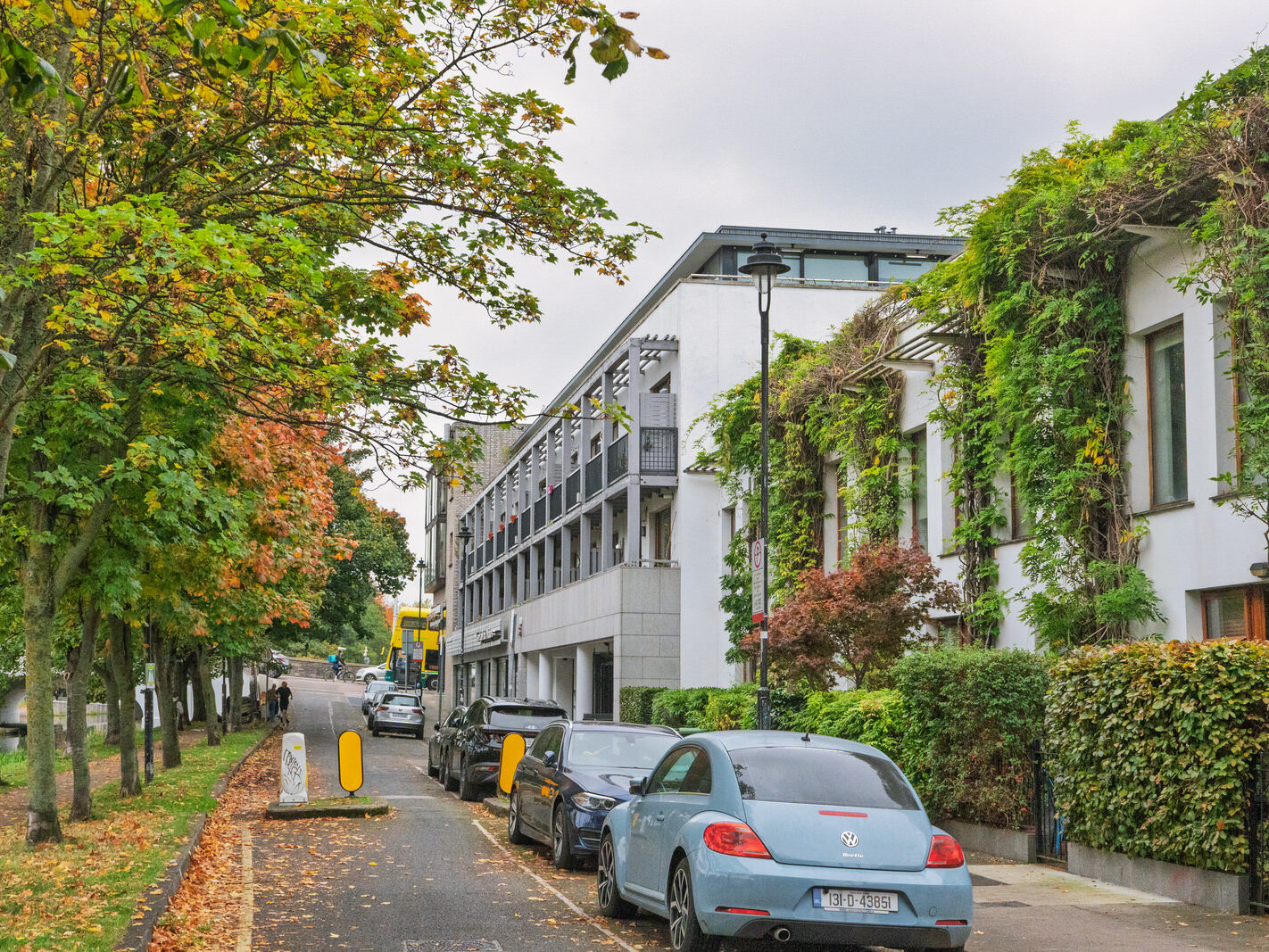
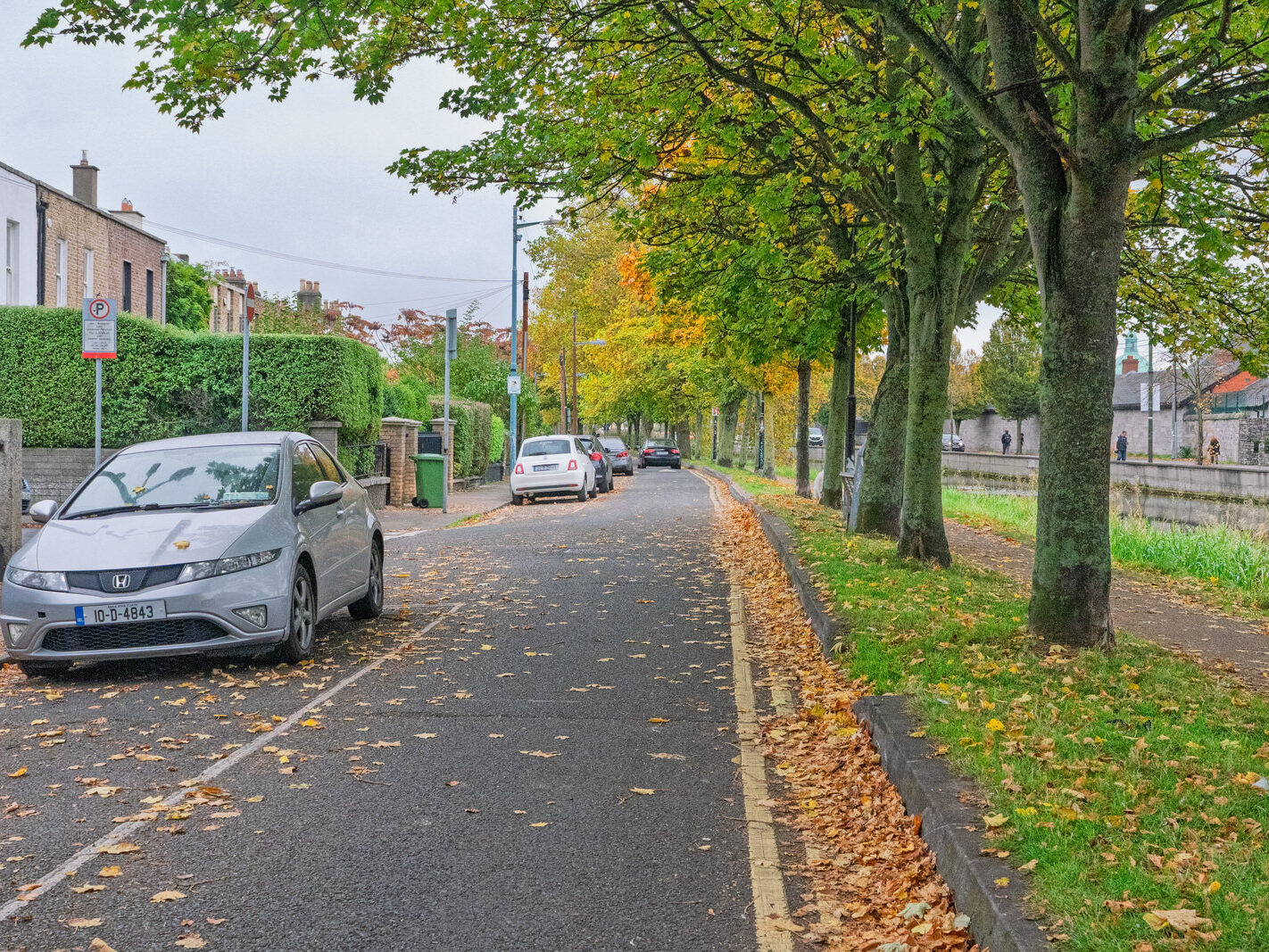
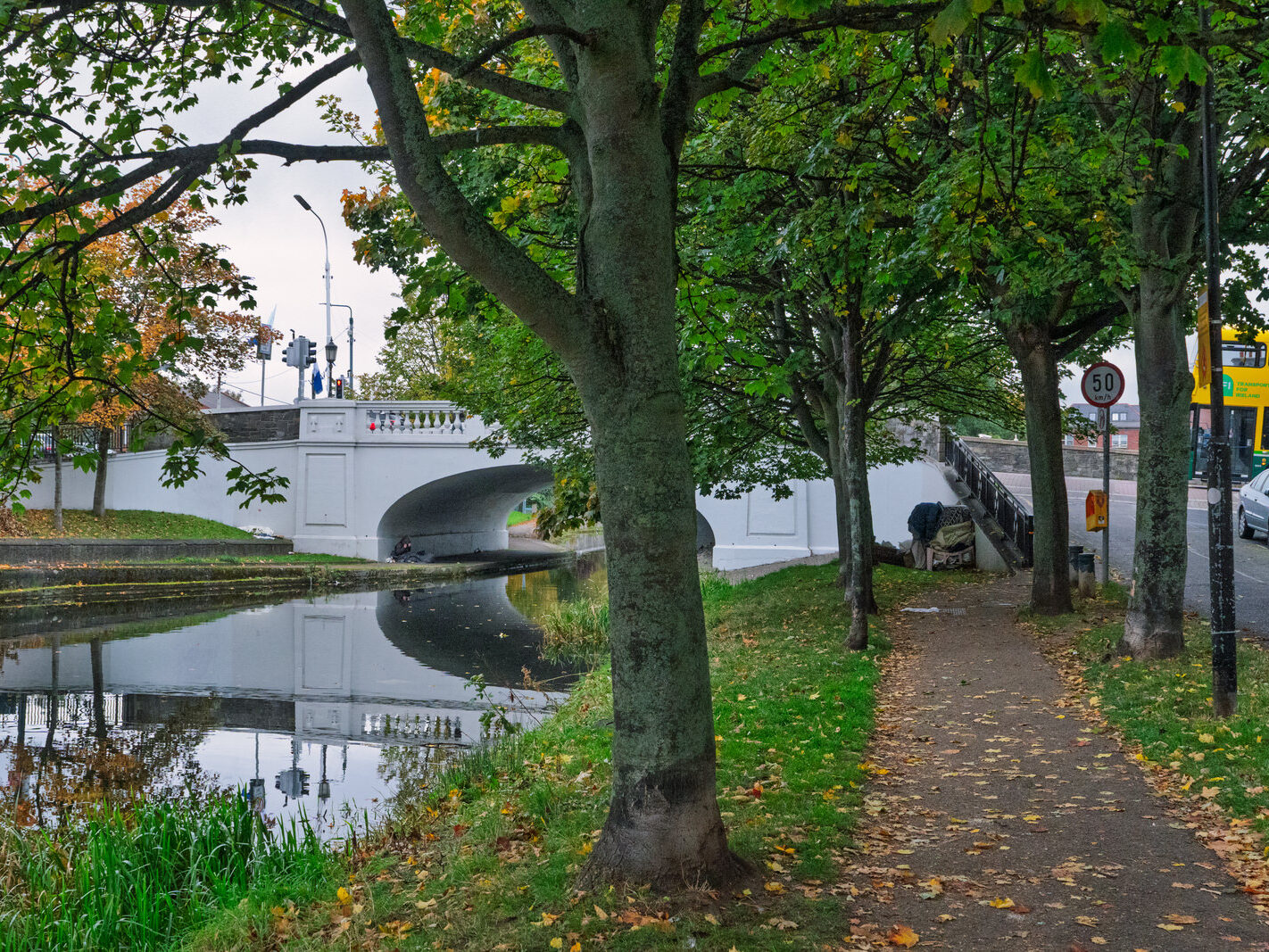
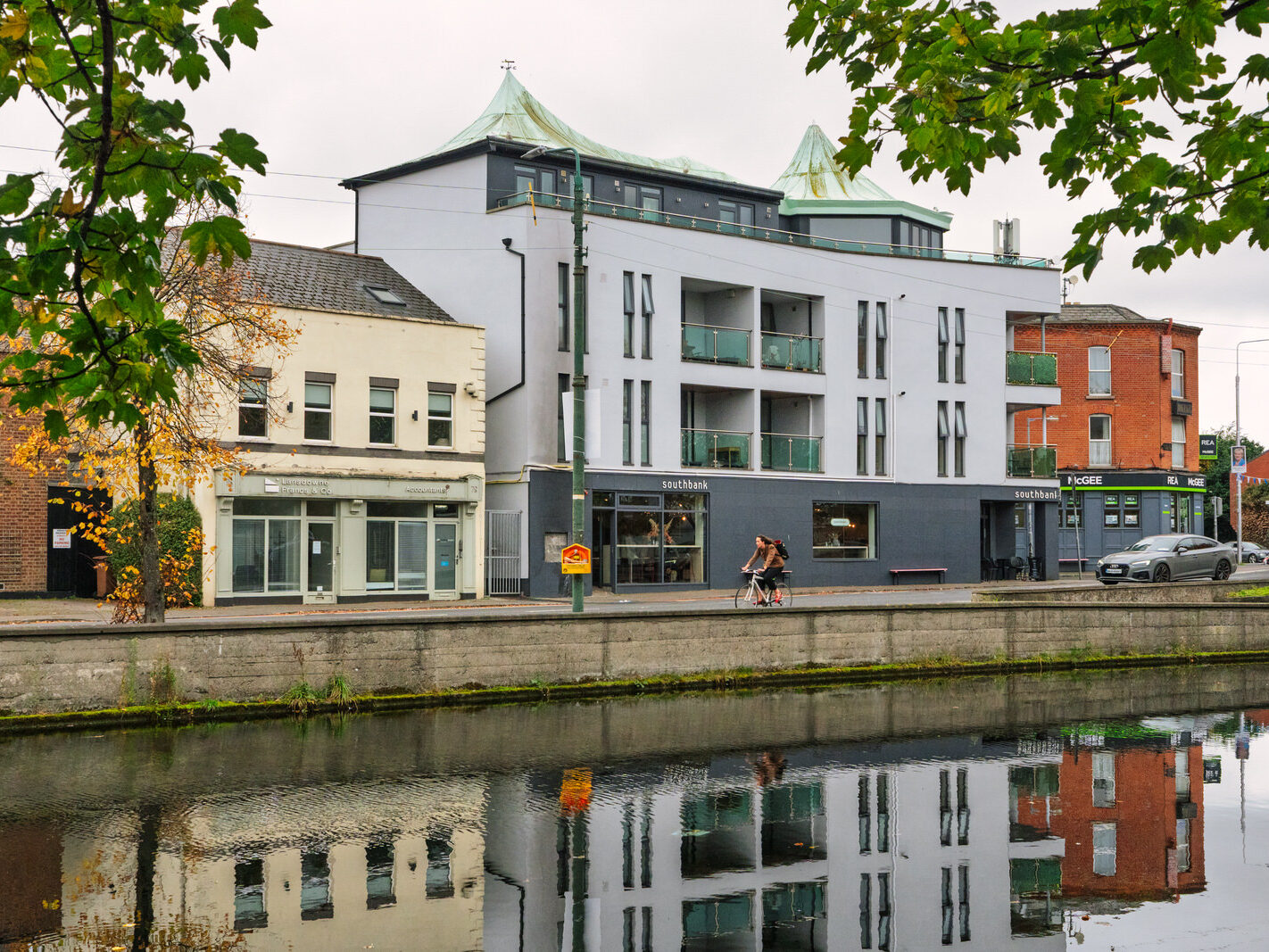
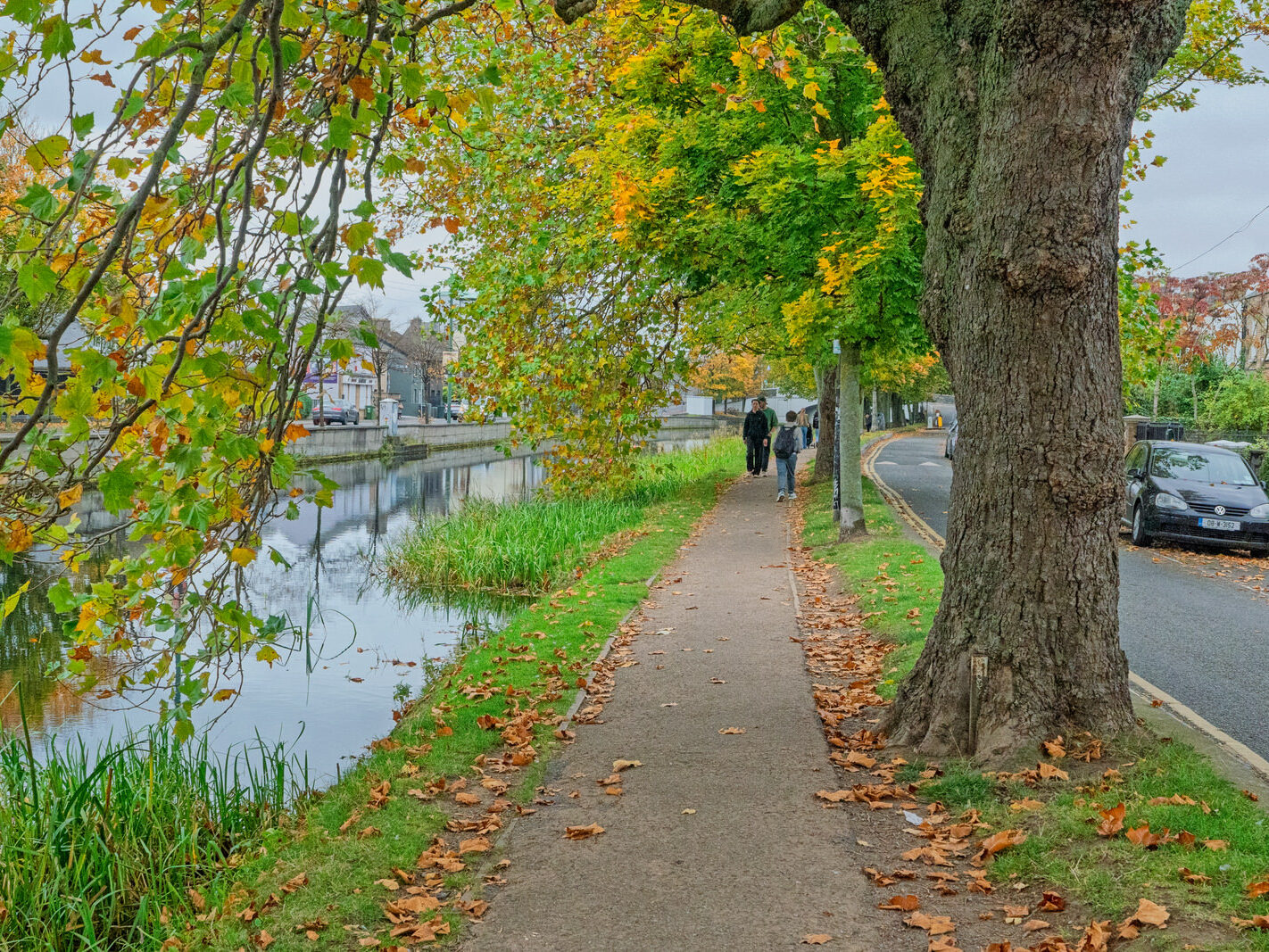
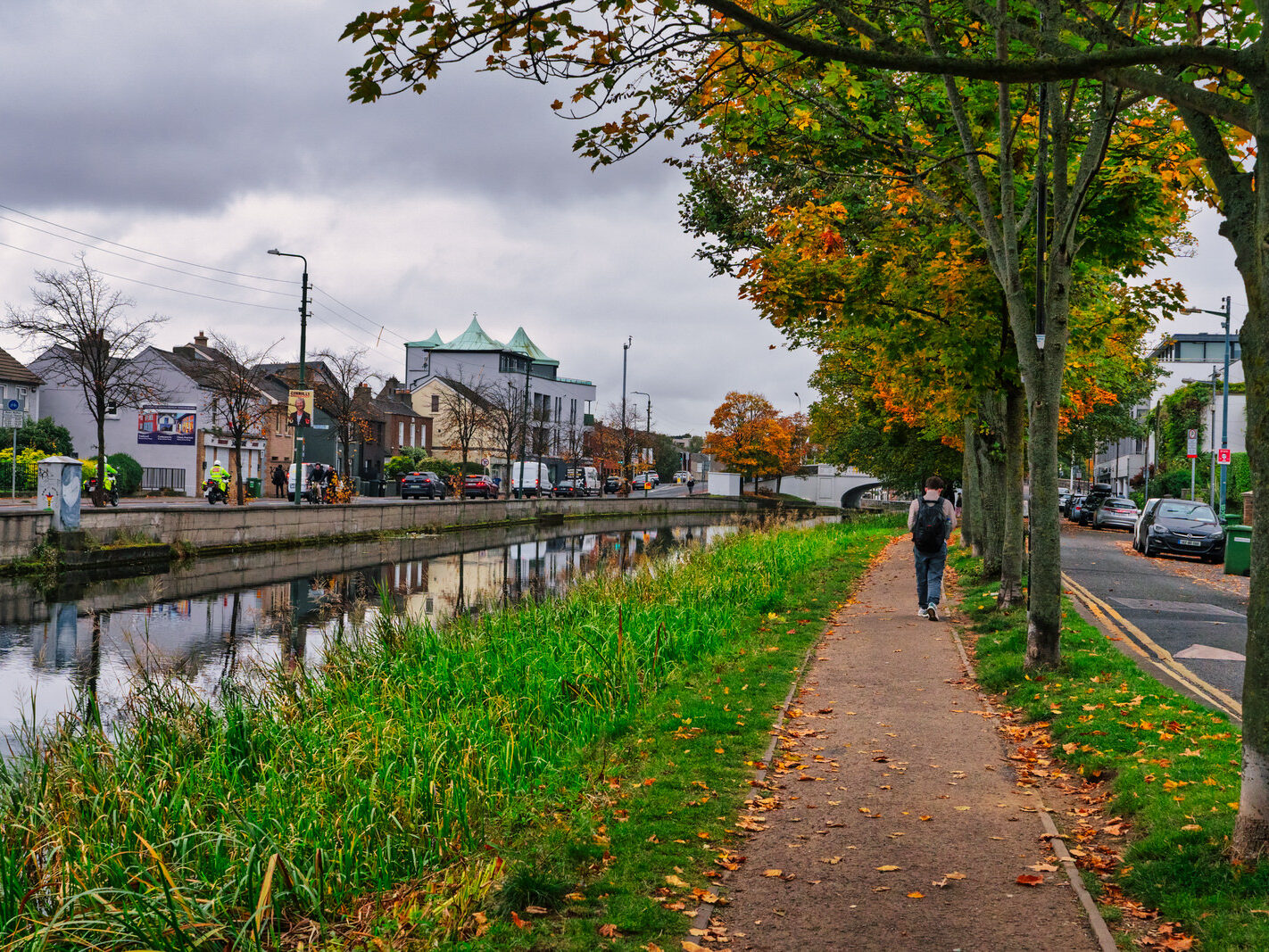
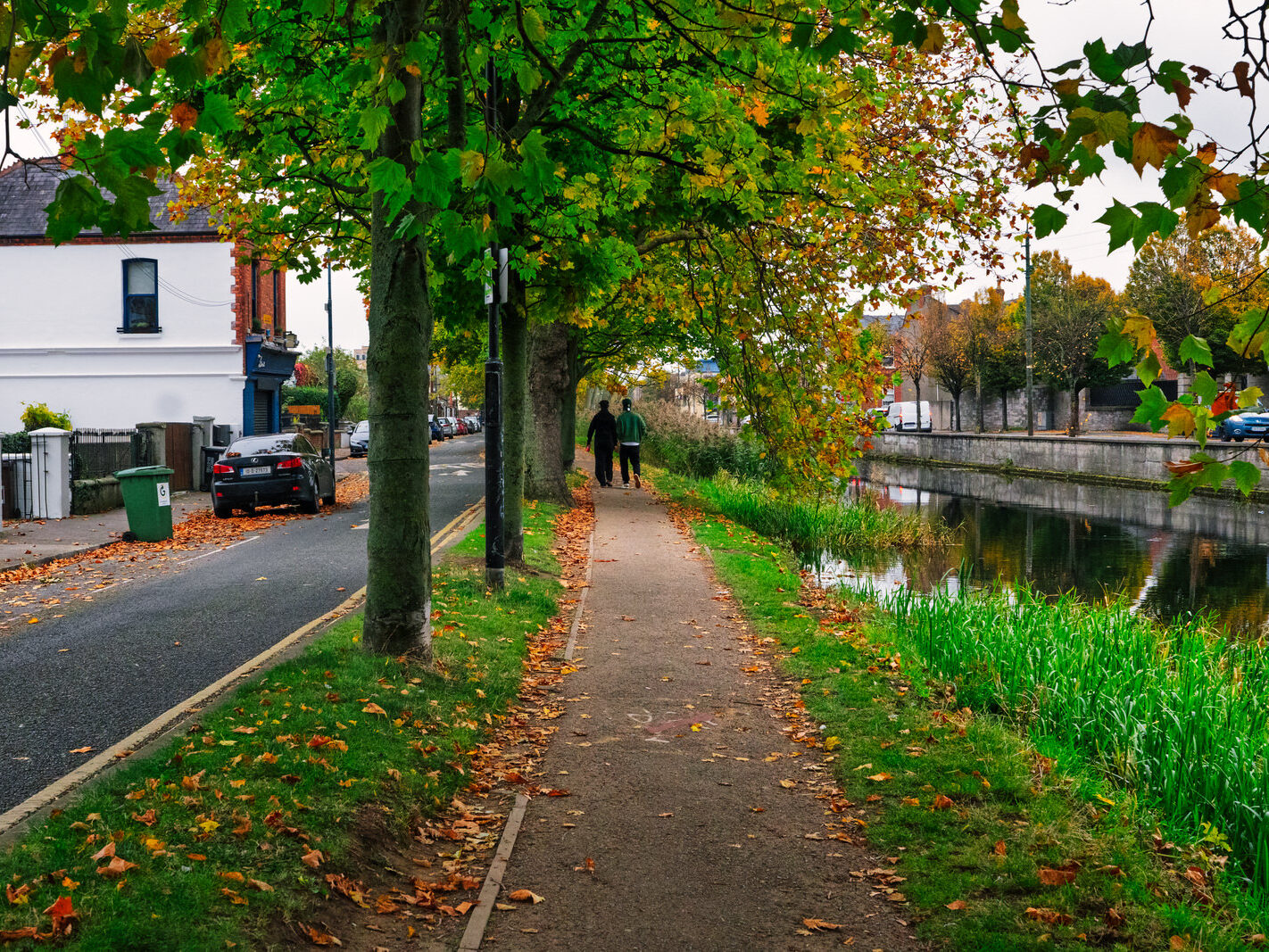
Windsor Terrace, nestled in the heart of Dublin’s vibrant Portobello district, is a handsome Victorian streetscape offering picturesque views of the Grand Canal. This sought-after residential area is characterised by its period architecture, rich history, and proximity to the city centre.

A Glimpse into the Past

The development of Windsor Terrace is intrinsically linked to the expansion of Dublin in the 19th century and the construction of the Grand Canal, which was completed in 1797. The canal spurred residential development in the surrounding areas, and streets like Windsor Terrace were laid out in the early 1800s. The houses, built circa 1845, were speculative ventures, resulting in charming groupings of similar, yet not identical, terraced homes.

The broader Portobello area has a fascinating history. In the late 19th and early 20th centuries, it became the heart of Dublin’s Jewish community, earning it the nickname “Little Jerusalem.” This cultural heritage adds another layer to the rich tapestry of the neighbourhood.

Architectural Charm

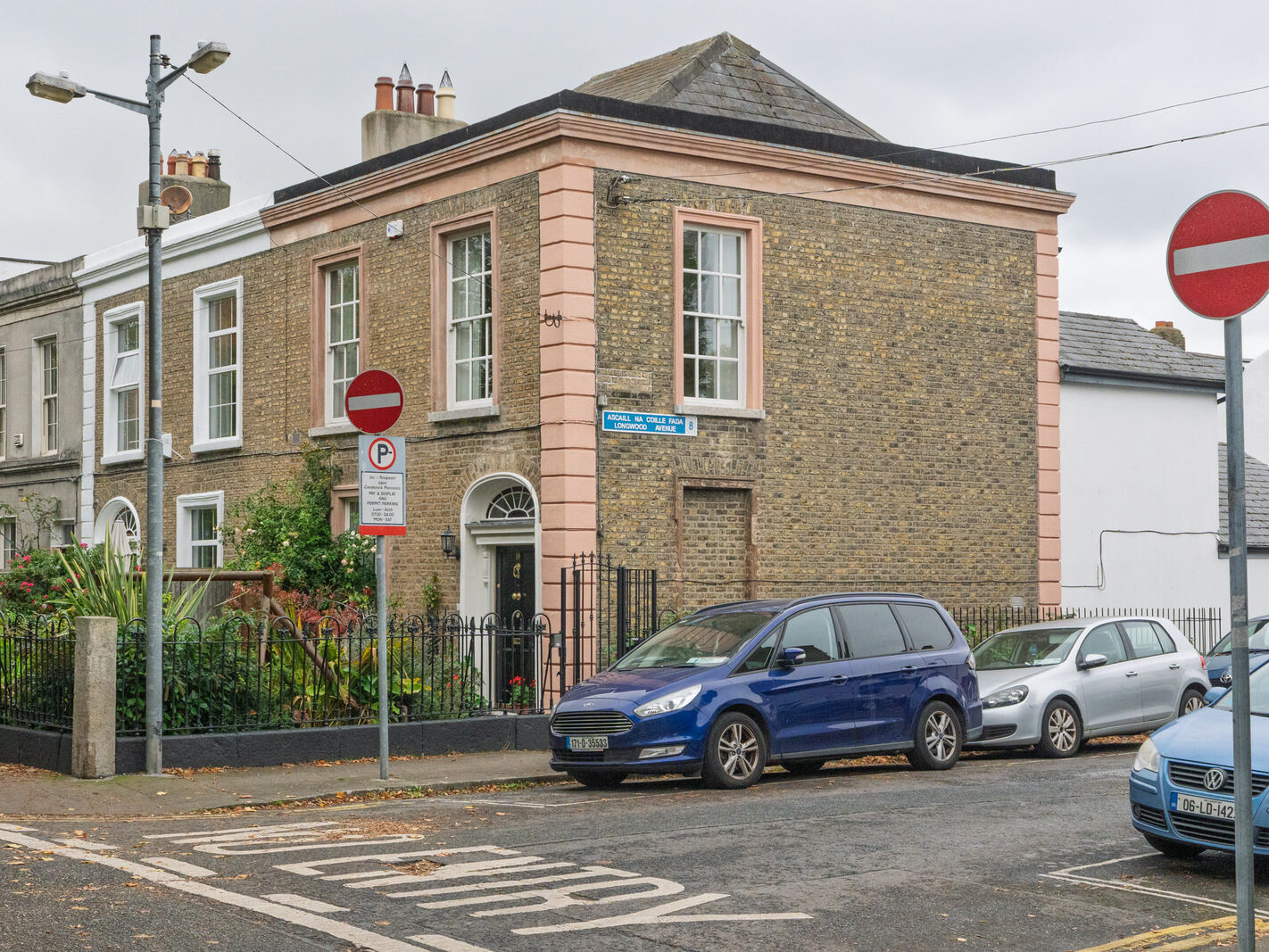
The houses on Windsor Terrace are predominantly two-storey Victorian residences, many of which retain their original period features. These include handsome brickwork, intricate ceiling coving, original fireplaces, and large sash windows that flood the interiors with natural light. The restrained yet elegant facades are often enhanced by decorative fanlights over the doors and cast-iron railings enclosing the front gardens. Many of these properties have been lovingly maintained and, in some cases, modernised to blend period elegance with contemporary living.

Life in Portobello

Today, Windsor Terrace is a prime residential location within the fashionable Portobello neighbourhood. Its tranquil setting along the canal offers a peaceful retreat from the hustle and bustle of the city, while still being just a short stroll from the vibrant amenities of areas like Camden Street.

The locality boasts a thriving social scene with a wide array of independent cafés, acclaimed restaurants, and traditional pubs. The Grand Canal provides a scenic backdrop for leisurely walks and a cherished local amenity. The area is well-served by public transport, making it an ideal location for those who wish to enjoy the best of city living in a characterful and historic setting.

Notable Connections

While specific famous residents of Windsor Terrace itself are not widely documented, the broader Portobello area has been home to many notable figures, including the playwright George Bernard Shaw and the sixth President of Israel, Chaim Herzog. The area’s rich cultural and artistic associations continue to attract a diverse and creative community.


Filed Under: Infomatique, Portobello, Sony FX30, Streets Of Ireland, William, William Murphy, Windsor Terrace Tagged With: 14 October 2025, city living, cultural heritage, Dublin 8, Dublin History, Grand Canal, Infomatique, Little Jerusalem, period features, Photonique, Portobello, residential area, Sony FX30, Streets Of Dublin, Victorian architecture, William Murphy, Windsor Terrace

Copyright © 2026 · Metro Pro on Genesis Framework · WordPress · Log in