PORTOBELLO HARBOUR
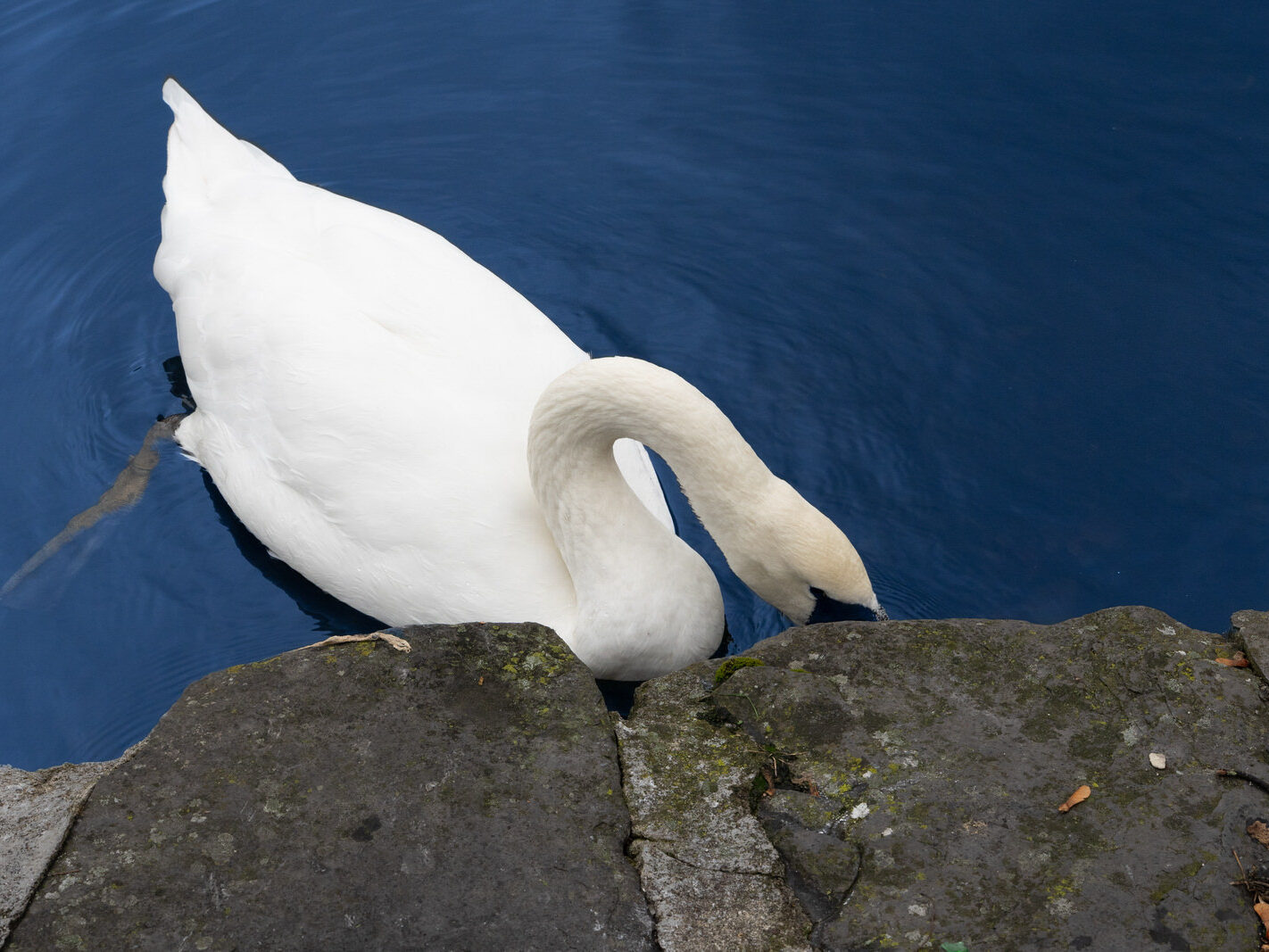
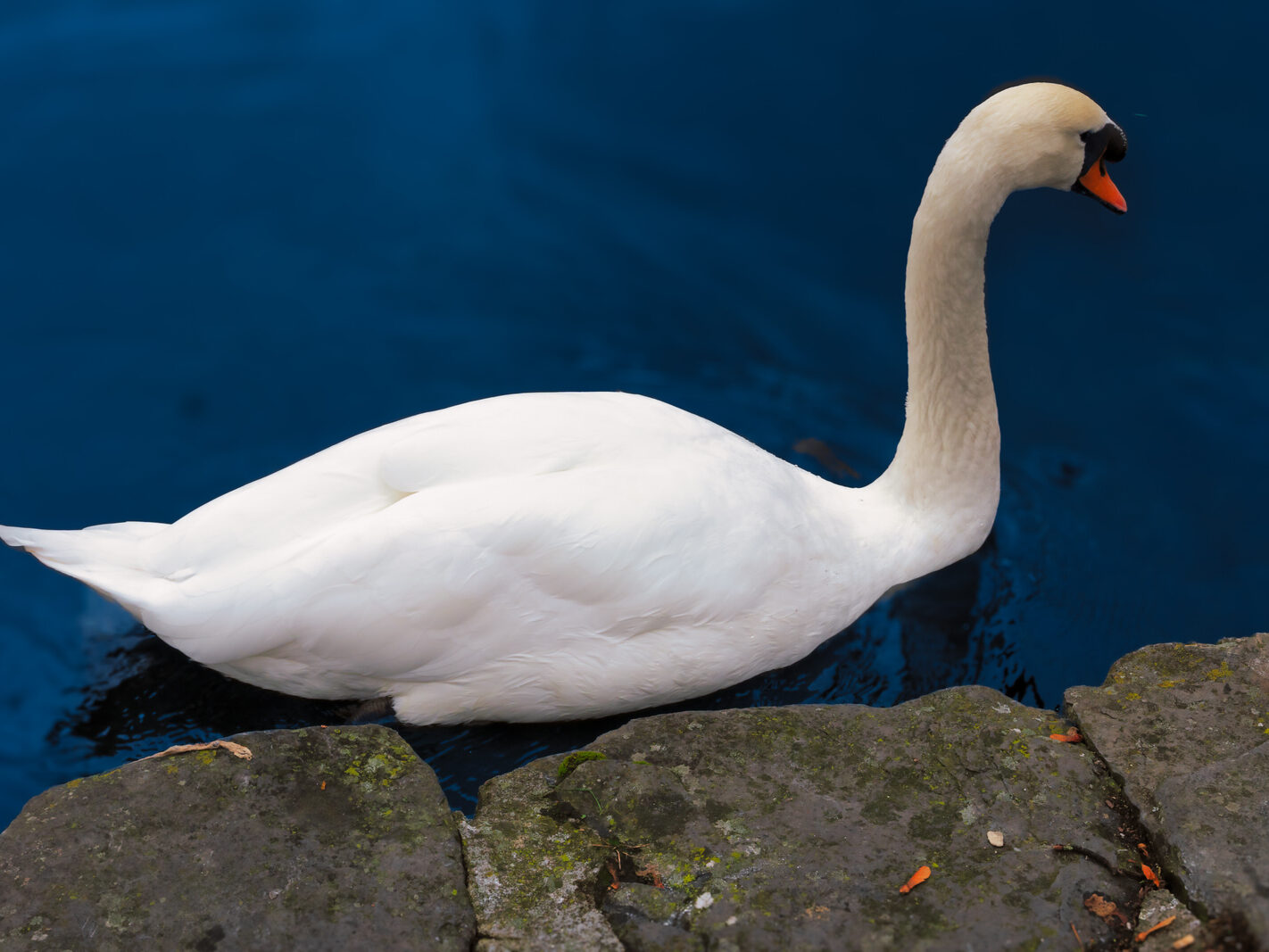
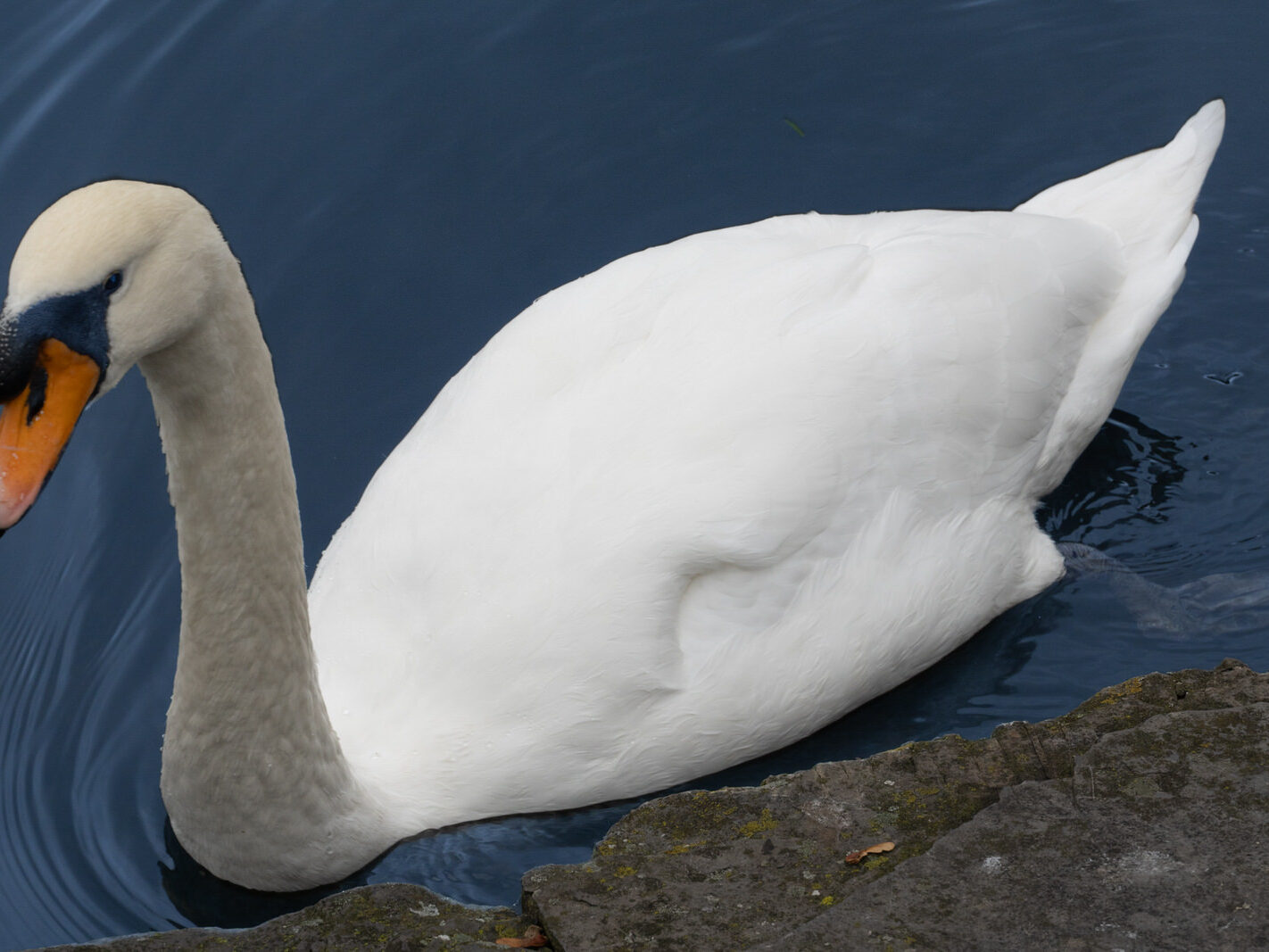
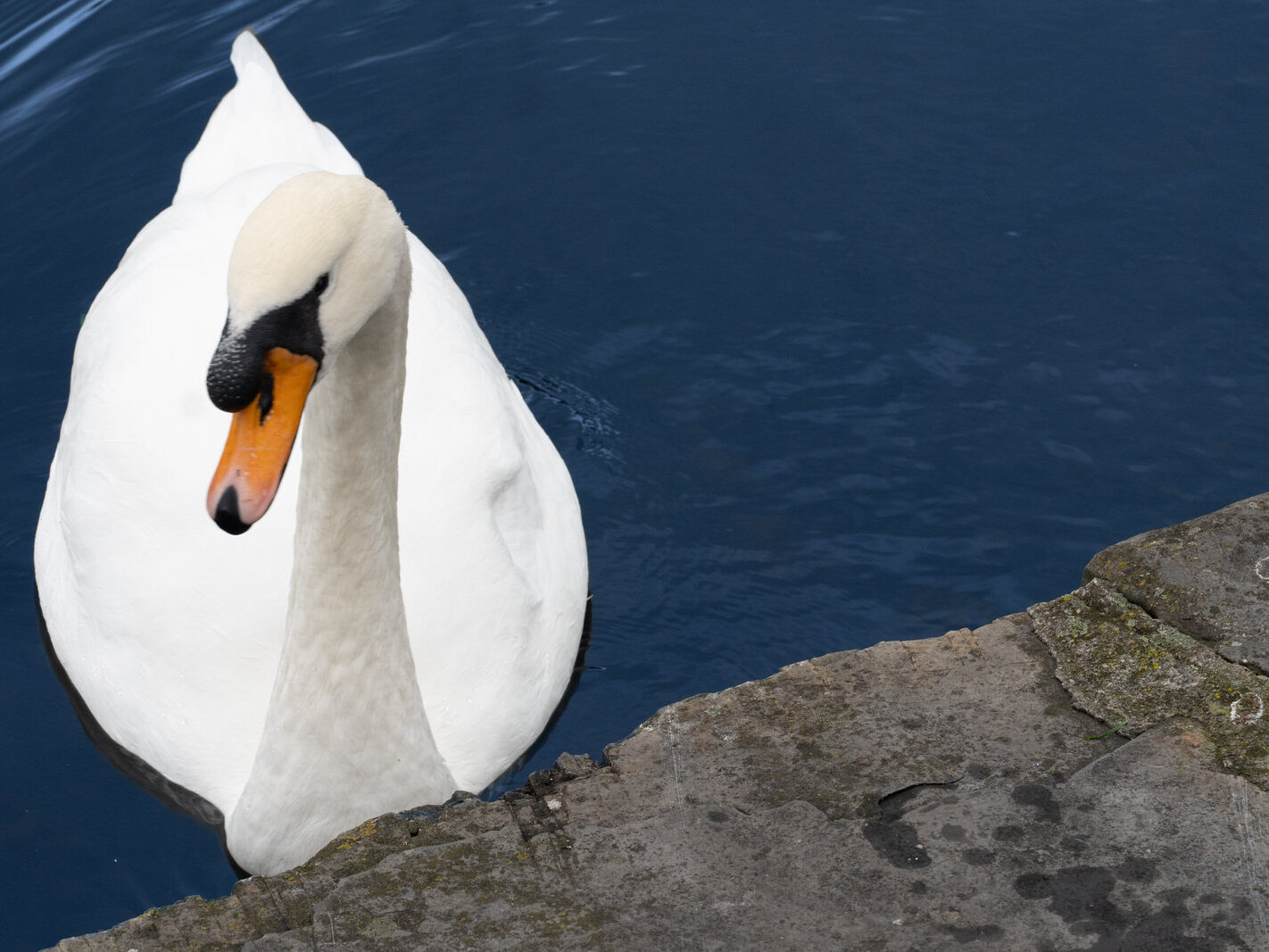
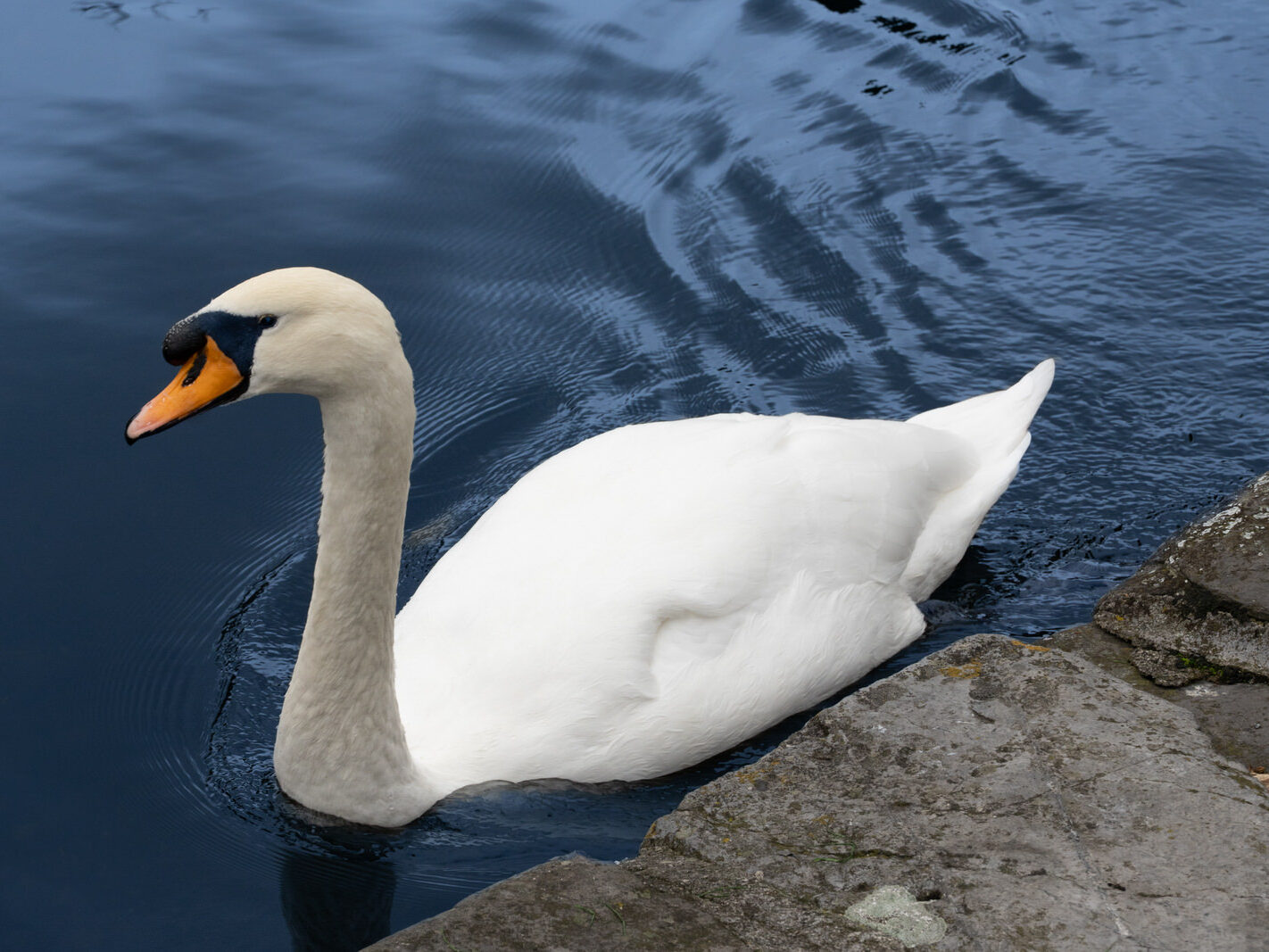
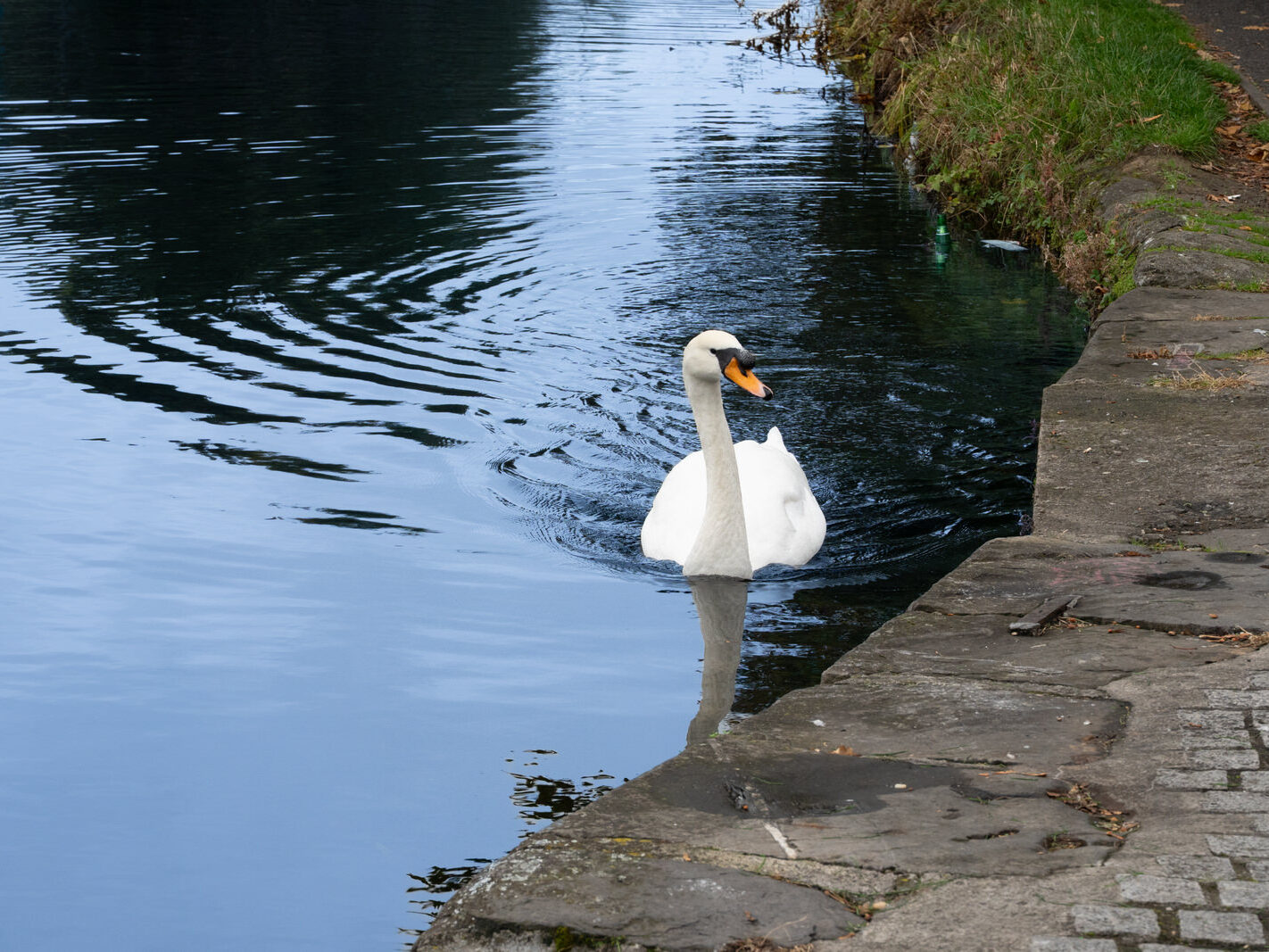
Ireland is home to a native swan species and plays host to two migratory species that grace its wetlands during the winter months. While feeding these elegant birds is a popular pastime, it is crucial to understand the potential harm caused by inappropriate food, particularly bread.
Native and Migratory Swans in Ireland
Ireland’s swan population is comprised of one resident species and two winter migrants:
The Mute Swan (Cygnus olor): This is Ireland’s only native swan species and can be found in waterways and coastal areas throughout the year. They are easily recognizable by their bright orange bill with a prominent black knob at the base. While they are year-round residents, their numbers can be supplemented by individuals migrating from Britain and Europe during the winter.
The Whooper Swan (Cygnus cygnus): A migratory species, the Whooper Swan travels from its breeding grounds in Iceland to spend the winter in Ireland. They are a spectacular sight, often arriving in large flocks from October and departing in April. They are distinguishable from Mute Swans by their yellow and black bill, which lacks the prominent knob.
The Bewick’s Swan (Cygnus columbianus bewickii): This is the smallest of the three swan species found in Ireland and is also a winter migrant. They journey from their breeding grounds in Arctic Russia. However, their numbers have been declining in Ireland in recent years. They have a similar yellow and black bill to the Whooper Swan, but the yellow patch is smaller.
The Dangers of Feeding Bread to Swans
While the tradition of feeding bread to swans is well-intentioned, it can be detrimental to their health and the wider ecosystem for several reasons:
Nutritional Deficiencies: Bread, especially white bread, is low in the essential nutrients that swans require. A diet heavy in bread can lead to malnutrition and health problems.
“Angel Wing”: This condition, where the last joint of the wing twists outwards, is often linked to a high-calorie, low-nutrient diet, which can be caused by excessive bread consumption, particularly in young, growing swans (cygnets). This can render them flightless.
Water Pollution: Uneaten bread rots in the water, which can lead to an increase in algae. This process depletes oxygen in the water, harming fish and other aquatic life.
Attraction of Pests: Leftover bread can attract rodents and other pests, creating unsanitary conditions.
Spread of Disease: Mouldy bread can be harmful to swans, and a congregation of birds in one area to feed can facilitate the spread of diseases.
What to Feed Swans Instead
If you wish to feed swans, it is best to offer them foods that are closer to their natural diet. Here are some healthier alternatives:
Grains: Wheat, corn, and oats are excellent choices.
Vegetables: Chopped lettuce, spinach, and peas are all suitable.
Specialist Waterfowl Food: Many pet stores and bird food suppliers sell specially formulated pellets for swans and ducks that float on the water.
When feeding swans, it is important to throw the food into the water to avoid encouraging them to come onto the bank, which can be dangerous for them. It is also crucial to only provide as much food as they can consume in a short period to prevent waste and pollution.