CANAL ROAD 14 OCTOBER 2025
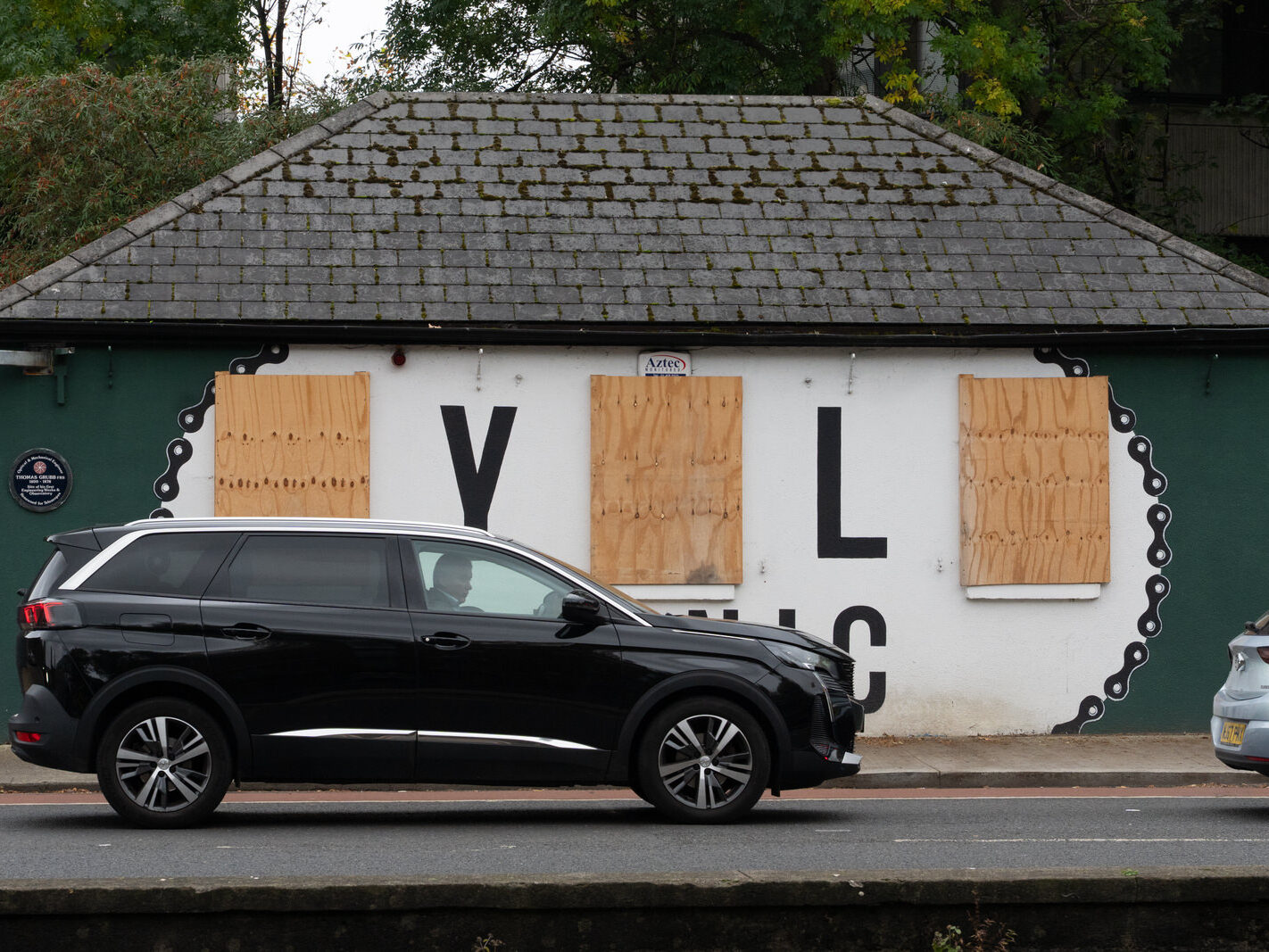
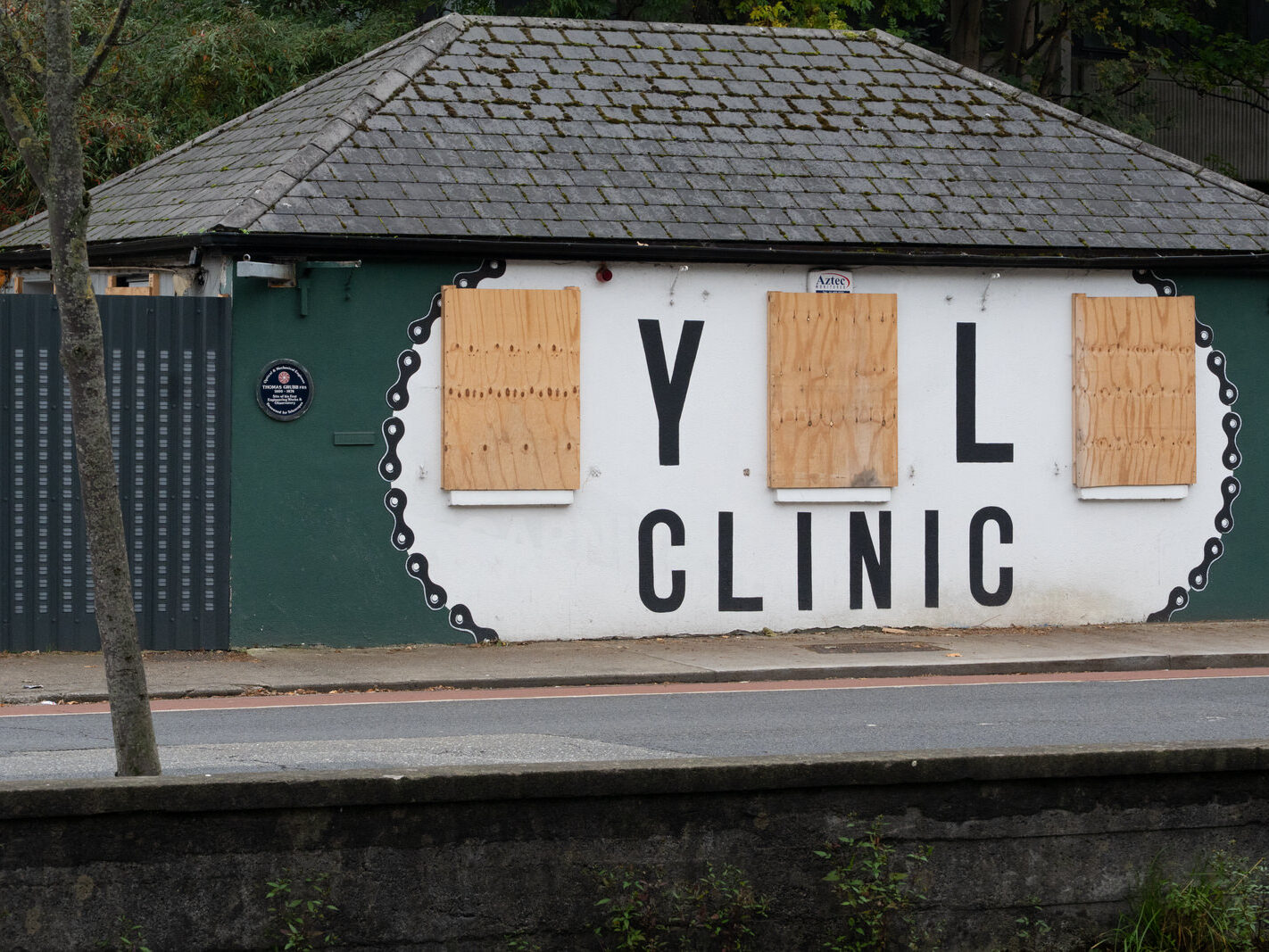
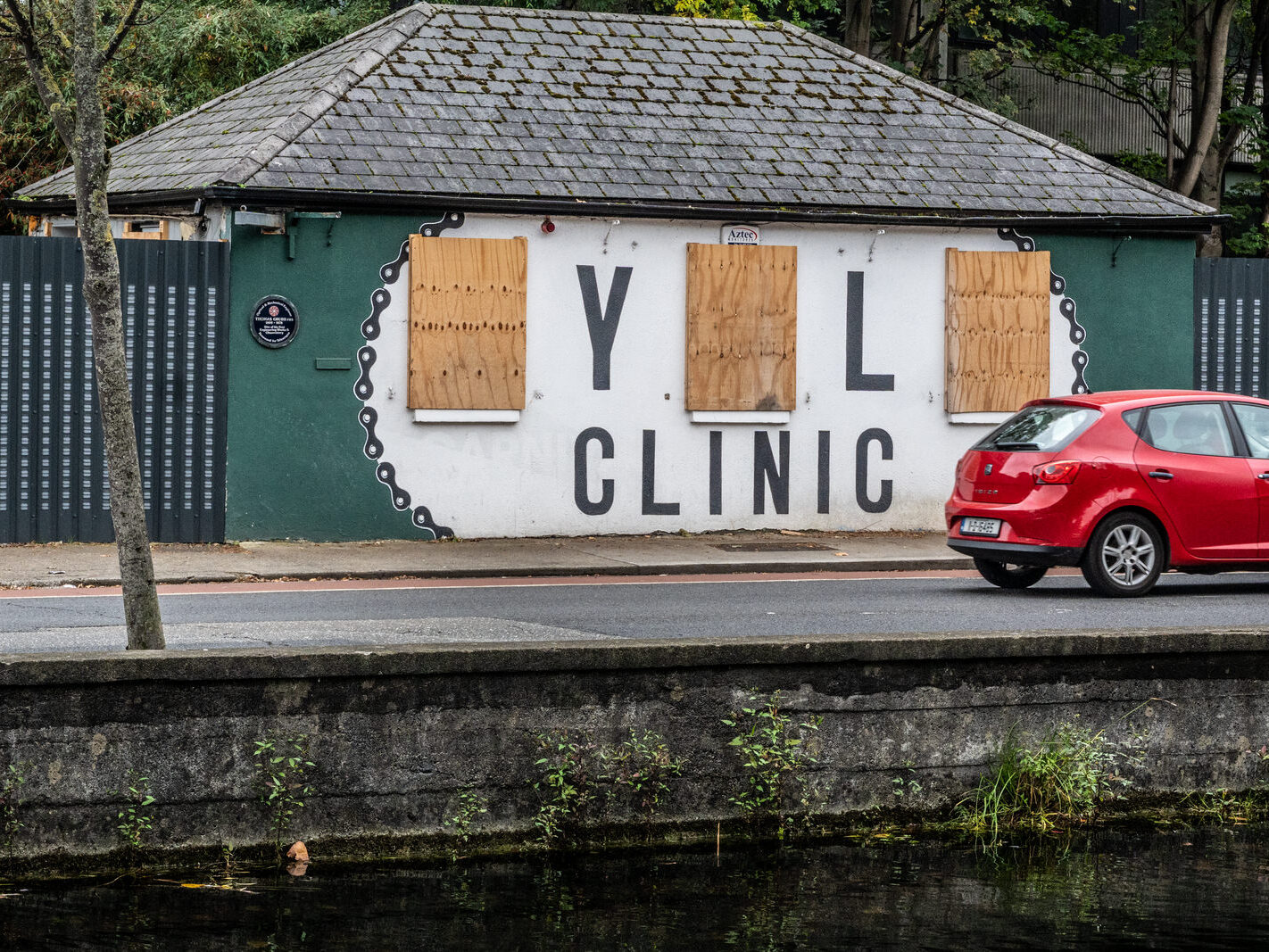
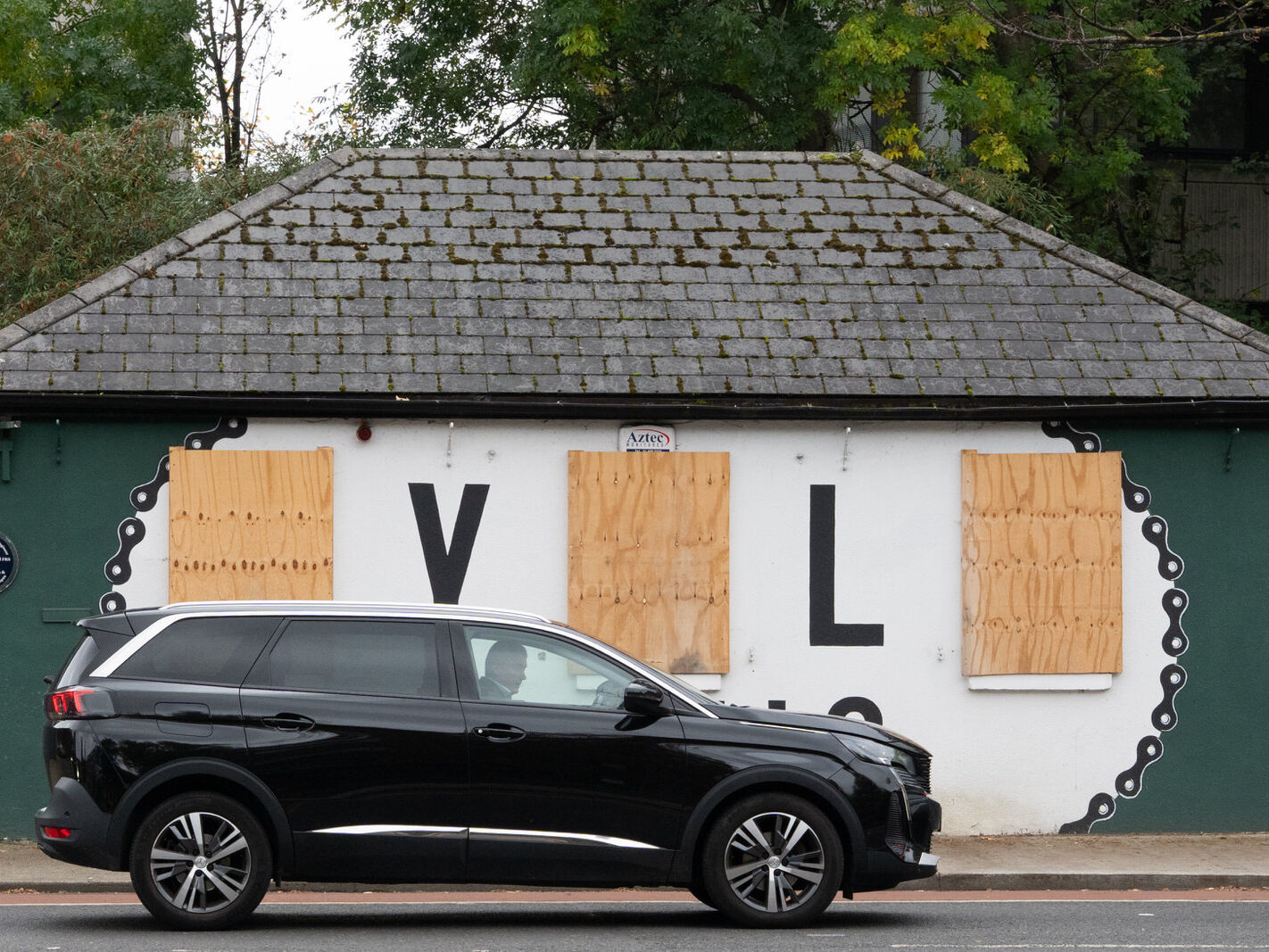
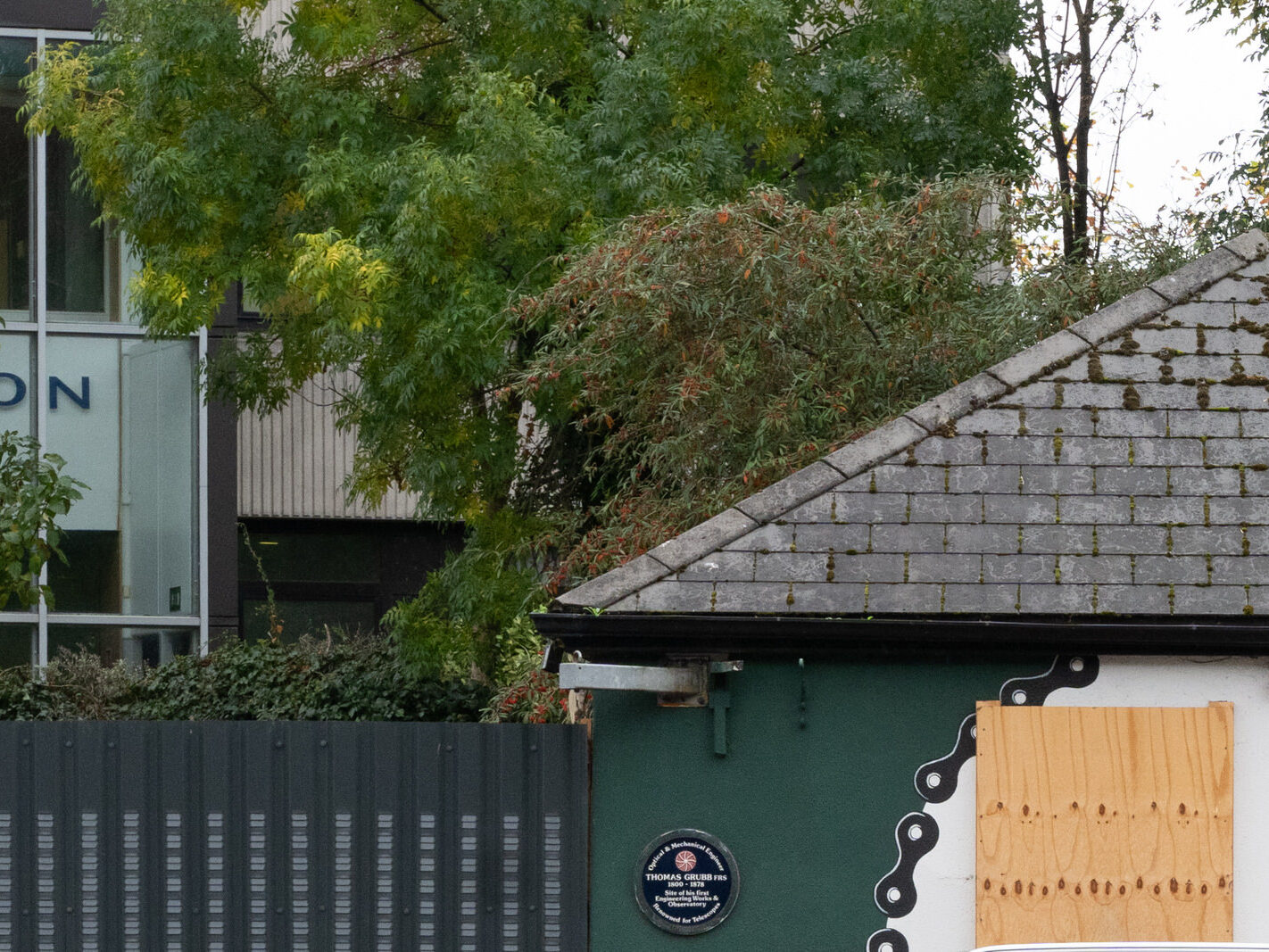
It started with a photograph of a fallen soldier of commerce. The boarded-up premises of the Cycle Clinic on Canal Road, a familiar sight for many Dublin cyclists, was the initial subject. But as I reviewed my shots, a small detail I’d initially missed came into focus: a blue plaque, half-hidden in the shadows. The name on it was Thomas Grubb, an eminent engineer whose grave I had recently chanced upon in Mount Jerome Cemetery.
Suddenly, this single location on the banks of Dublin’s Grand Canal became a fascinating intersection of two centuries. Here, a modern business built on precision mechanics had failed, while on the very same spot, a 19th-century pioneer of the same principles had once launched a business that would change how we see the universe. The story of this one address is a powerful lesson in how technology giveth, and how technology taketh away.
The Ghost of Industries Past: Thomas Grubb’s Vision
Thomas Grubb (1800-1878) was a quintessential Victorian innovator. A self-educated Quaker, he established his first engineering works here on Canal Road around 1830. Initially, he manufactured cast-iron billiard tables, but his true passion lay with the stars. In a small, self-built observatory on this site, he crafted a 9-inch reflecting telescope of such quality that it captured the attention of the astronomical world.
This was the catalyst. Grubb’s firm transitioned from domestic goods to creating some of the most advanced scientific instruments of the age. His works became a global centre for technological advancement, pioneering new methods for grinding lenses and engineering telescope mounts with clockwork precision. He didn’t just build telescopes; he revolutionised them.
Grubb’s genius wasn’t confined to astronomy. As the official engineer for the Bank of Ireland, he designed and built intricate machinery for engraving and printing banknotes, a system so robust it remained in use for decades. He was a master of applying high-precision engineering to solve the great challenges of his day.
His success was so profound that he eventually moved to a larger works on Observatory Lane, which became the biggest telescope factory in the world. His company, eventually becoming Grubb-Parsons, continued to produce world-class instruments until 1985, leaving a legacy written in the stars. Thomas Grubb saw the future and built the tools to observe it.
The Ghost of Industries Present: The Cycle Clinic’s Paradox
Nearly two hundred years later, on the same stretch of canal, another business built on intricate mechanics—the humble bicycle—has closed its doors. The Cycle Clinic, primarily a mobile repair service with its service centre at this location, was a casualty of a modern business paradox: bicycle demand is at an all-time high, yet traditional bike shops are struggling to survive.
My interest in their closure was part of a wider investigation into why so many local bike shops are disappearing. It’s not a single issue, but a perfect storm of economic forces, technological shifts, and changing consumer habits.
A Perfect Storm: Why Modern Bike Shops Are Struggling
The closure of shops like the Cycle Clinic is a symptom of a deep-seated crisis in the industry. Here are the primary forces at play.
- The Post-Pandemic Whiplash
This is the most immediate cause.
The Boom (2020-2022): During lockdowns, cycling exploded. Shops sold every bike they could get their hands on, and to meet the unprecedented demand, they placed huge forward orders with suppliers.
The Bust (2023-Present): As life normalised, demand dropped sharply, exacerbated by the cost of living crisis. Suddenly, the massive orders placed during the boom began to arrive, flooding shops with expensive stock they couldn’t shift. This created a devastating cash flow crisis, forcing massive discounts that obliterated profit margins.
- The Electric Revolution and the Skills Gap
Just as Grubb’s work required a new level of mechanical and optical skill, the shift to electric mobility demands a new breed of technician.
A Different Skillset: Servicing an e-bike involves electronics, software diagnostics, and battery management. A brilliant traditional mechanic is not automatically an e-bike expert.
High Investment: Shops must invest thousands in proprietary diagnostic tools, software licences for systems like Bosch and Shimano, and continuous staff training.
Workshop Economics: Shops make their real profit from service, not sales. If a workshop isn’t equipped to handle modern e-bikes, complex hydraulic brakes, and electronic gear systems, it loses its most vital revenue stream. The fundamental skills are no longer enough.
- The Digital Marketplace Onslaught
The final pressure point comes from the changing way we shop.
Direct-to-Consumer (DTC) Brands: Companies like Canyon sell high-spec bikes directly online, completely bypassing the local bike shop and its sales margin.
Online Giants: Large online retailers use their scale to offer discounts that small, independent stores simply cannot match.
Adaptation and Survival: How Dublin’s Scene is Fighting Back
Yet, amidst the closures, a new type of bike shop is emerging—one that has learned the lesson of adaptation that Thomas Grubb embodied. They are thriving by shifting their business model from retail to service, expertise, and community.
Specialising in High-Growth Niches: Instead of competing on standard bikes, shops like GreenAer focus almost exclusively on premium e-bikes, offering the specialist consultation and after-sales service that online retailers cannot. Similarly, The Dutch Bike Shop has carved out a niche in cargo and family bikes, a market that relies on test rides and expert, in-person advice.
Doubling Down on the Workshop: Businesses like Cycle Superstore and 360 Cycles have made their state-of-the-art workshops the heart of their operation. They position themselves as high-end service centres, offering premium services like professional bike fitting—a high-margin experience that builds unshakeable customer loyalty.
Building a Community Hub: Successful shops like ThinkBike in Rathmines have fostered a strong community, becoming a central point for local cyclists. By sponsoring clubs and organising events, they embed themselves in the cycling scene, ensuring a steady stream of dedicated customers who value trust and expertise over a small online discount.
Reflections on Canal Road
Standing outside 6 Canal Road, the connection between the past and present is palpable. Thomas Grubb succeeded because he was on the bleeding edge of a technological wave, creating instruments that were decades ahead of their time. The Cycle Clinic, and others like it, have fallen because a new technological and economic wave has broken over them.
The lesson from this small patch of Dublin is a timeless one. In any industry built on technology, from telescopes to bicycles, standing still is not an option. The future belongs not just to those who can build the machine, but to those who can adapt when the machine changes.


![HARCOURT STREET AREA REDEVELOPMENT [TWO SIGNIFICANT PROJECTS]-247204-1](https://excellentstreetimages.com/PhotoniqueSouthOfTheRiverLiffey/wp-content/uploads/2025/02/HARCOURT-STREET-AREA-REDEVELOPMENT-TWO-SIGNIFICANT-PROJECTS-247204-1-1422x1067.jpg "HARCOURT STREET AREA REDEVELOPMENT [TWO SIGNIFICANT PROJECTS]-247204-1")
![HARCOURT STREET AREA REDEVELOPMENT [TWO SIGNIFICANT PROJECTS]-247205-1](https://excellentstreetimages.com/PhotoniqueSouthOfTheRiverLiffey/wp-content/uploads/2025/02/HARCOURT-STREET-AREA-REDEVELOPMENT-TWO-SIGNIFICANT-PROJECTS-247205-1-1422x1067.jpg "HARCOURT STREET AREA REDEVELOPMENT [TWO SIGNIFICANT PROJECTS]-247205-1")
![HARCOURT STREET AREA REDEVELOPMENT [TWO SIGNIFICANT PROJECTS]-247206-1](https://excellentstreetimages.com/PhotoniqueSouthOfTheRiverLiffey/wp-content/uploads/2025/02/HARCOURT-STREET-AREA-REDEVELOPMENT-TWO-SIGNIFICANT-PROJECTS-247206-1-1422x1067.jpg "HARCOURT STREET AREA REDEVELOPMENT [TWO SIGNIFICANT PROJECTS]-247206-1")
![HARCOURT STREET AREA REDEVELOPMENT [TWO SIGNIFICANT PROJECTS]-247197-1](https://excellentstreetimages.com/PhotoniqueSouthOfTheRiverLiffey/wp-content/uploads/2025/02/HARCOURT-STREET-AREA-REDEVELOPMENT-TWO-SIGNIFICANT-PROJECTS-247197-1-1422x1067.jpg "HARCOURT STREET AREA REDEVELOPMENT [TWO SIGNIFICANT PROJECTS]-247197-1")
![HARCOURT STREET AREA REDEVELOPMENT [TWO SIGNIFICANT PROJECTS]-247198-1](https://excellentstreetimages.com/PhotoniqueSouthOfTheRiverLiffey/wp-content/uploads/2025/02/HARCOURT-STREET-AREA-REDEVELOPMENT-TWO-SIGNIFICANT-PROJECTS-247198-1-1422x1067.jpg "HARCOURT STREET AREA REDEVELOPMENT [TWO SIGNIFICANT PROJECTS]-247198-1")
![HARCOURT STREET AREA REDEVELOPMENT [TWO SIGNIFICANT PROJECTS]-247199-1](https://excellentstreetimages.com/PhotoniqueSouthOfTheRiverLiffey/wp-content/uploads/2025/02/HARCOURT-STREET-AREA-REDEVELOPMENT-TWO-SIGNIFICANT-PROJECTS-247199-1-1422x1067.jpg "HARCOURT STREET AREA REDEVELOPMENT [TWO SIGNIFICANT PROJECTS]-247199-1")
![HARCOURT STREET AREA REDEVELOPMENT [TWO SIGNIFICANT PROJECTS]-247200-1](https://excellentstreetimages.com/PhotoniqueSouthOfTheRiverLiffey/wp-content/uploads/2025/02/HARCOURT-STREET-AREA-REDEVELOPMENT-TWO-SIGNIFICANT-PROJECTS-247200-1-1422x1067.jpg "HARCOURT STREET AREA REDEVELOPMENT [TWO SIGNIFICANT PROJECTS]-247200-1")
![HARCOURT STREET AREA REDEVELOPMENT [TWO SIGNIFICANT PROJECTS]-247201-1](https://excellentstreetimages.com/PhotoniqueSouthOfTheRiverLiffey/wp-content/uploads/2025/02/HARCOURT-STREET-AREA-REDEVELOPMENT-TWO-SIGNIFICANT-PROJECTS-247201-1-1422x1067.jpg "HARCOURT STREET AREA REDEVELOPMENT [TWO SIGNIFICANT PROJECTS]-247201-1")
![HARCOURT STREET AREA REDEVELOPMENT [TWO SIGNIFICANT PROJECTS]-247202-1](https://excellentstreetimages.com/PhotoniqueSouthOfTheRiverLiffey/wp-content/uploads/2025/02/HARCOURT-STREET-AREA-REDEVELOPMENT-TWO-SIGNIFICANT-PROJECTS-247202-1-1422x1067.jpg "HARCOURT STREET AREA REDEVELOPMENT [TWO SIGNIFICANT PROJECTS]-247202-1")
![HARCOURT STREET AREA REDEVELOPMENT [TWO SIGNIFICANT PROJECTS]-247203-1](https://excellentstreetimages.com/PhotoniqueSouthOfTheRiverLiffey/wp-content/uploads/2025/02/HARCOURT-STREET-AREA-REDEVELOPMENT-TWO-SIGNIFICANT-PROJECTS-247203-1-1422x1067.jpg "HARCOURT STREET AREA REDEVELOPMENT [TWO SIGNIFICANT PROJECTS]-247203-1")
![HARCOURT STREET AREA REDEVELOPMENT [TWO SIGNIFICANT PROJECTS]-247190-1](https://excellentstreetimages.com/PhotoniqueSouthOfTheRiverLiffey/wp-content/uploads/2025/02/HARCOURT-STREET-AREA-REDEVELOPMENT-TWO-SIGNIFICANT-PROJECTS-247190-1-1422x1067.jpg "HARCOURT STREET AREA REDEVELOPMENT [TWO SIGNIFICANT PROJECTS]-247190-1")
![HARCOURT STREET AREA REDEVELOPMENT [TWO SIGNIFICANT PROJECTS]-247191-1](https://excellentstreetimages.com/PhotoniqueSouthOfTheRiverLiffey/wp-content/uploads/2025/02/HARCOURT-STREET-AREA-REDEVELOPMENT-TWO-SIGNIFICANT-PROJECTS-247191-1-1422x1067.jpg "HARCOURT STREET AREA REDEVELOPMENT [TWO SIGNIFICANT PROJECTS]-247191-1")
![HARCOURT STREET AREA REDEVELOPMENT [TWO SIGNIFICANT PROJECTS]-247192-1](https://excellentstreetimages.com/PhotoniqueSouthOfTheRiverLiffey/wp-content/uploads/2025/02/HARCOURT-STREET-AREA-REDEVELOPMENT-TWO-SIGNIFICANT-PROJECTS-247192-1-1422x1067.jpg "HARCOURT STREET AREA REDEVELOPMENT [TWO SIGNIFICANT PROJECTS]-247192-1")
![HARCOURT STREET AREA REDEVELOPMENT [TWO SIGNIFICANT PROJECTS]-247193-1](https://excellentstreetimages.com/PhotoniqueSouthOfTheRiverLiffey/wp-content/uploads/2025/02/HARCOURT-STREET-AREA-REDEVELOPMENT-TWO-SIGNIFICANT-PROJECTS-247193-1-1422x1067.jpg "HARCOURT STREET AREA REDEVELOPMENT [TWO SIGNIFICANT PROJECTS]-247193-1")
![HARCOURT STREET AREA REDEVELOPMENT [TWO SIGNIFICANT PROJECTS]-247194-1](https://excellentstreetimages.com/PhotoniqueSouthOfTheRiverLiffey/wp-content/uploads/2025/02/HARCOURT-STREET-AREA-REDEVELOPMENT-TWO-SIGNIFICANT-PROJECTS-247194-1-1422x1067.jpg "HARCOURT STREET AREA REDEVELOPMENT [TWO SIGNIFICANT PROJECTS]-247194-1")
![HARCOURT STREET AREA REDEVELOPMENT [TWO SIGNIFICANT PROJECTS]-247195-1](https://excellentstreetimages.com/PhotoniqueSouthOfTheRiverLiffey/wp-content/uploads/2025/02/HARCOURT-STREET-AREA-REDEVELOPMENT-TWO-SIGNIFICANT-PROJECTS-247195-1-1422x1067.jpg "HARCOURT STREET AREA REDEVELOPMENT [TWO SIGNIFICANT PROJECTS]-247195-1")
![HARCOURT STREET AREA REDEVELOPMENT [TWO SIGNIFICANT PROJECTS]-247196-1](https://excellentstreetimages.com/PhotoniqueSouthOfTheRiverLiffey/wp-content/uploads/2025/02/HARCOURT-STREET-AREA-REDEVELOPMENT-TWO-SIGNIFICANT-PROJECTS-247196-1-1422x1067.jpg "HARCOURT STREET AREA REDEVELOPMENT [TWO SIGNIFICANT PROJECTS]-247196-1")
![HARCOURT STREET AREA REDEVELOPMENT [TWO SIGNIFICANT PROJECTS]-247187-1](https://excellentstreetimages.com/PhotoniqueSouthOfTheRiverLiffey/wp-content/uploads/2025/02/HARCOURT-STREET-AREA-REDEVELOPMENT-TWO-SIGNIFICANT-PROJECTS-247187-1-1422x1067.jpg "HARCOURT STREET AREA REDEVELOPMENT [TWO SIGNIFICANT PROJECTS]-247187-1")
![HARCOURT STREET AREA REDEVELOPMENT [TWO SIGNIFICANT PROJECTS]-247188-1](https://excellentstreetimages.com/PhotoniqueSouthOfTheRiverLiffey/wp-content/uploads/2025/02/HARCOURT-STREET-AREA-REDEVELOPMENT-TWO-SIGNIFICANT-PROJECTS-247188-1-1422x1067.jpg "HARCOURT STREET AREA REDEVELOPMENT [TWO SIGNIFICANT PROJECTS]-247188-1")
![HARCOURT STREET AREA REDEVELOPMENT [TWO SIGNIFICANT PROJECTS]-247189-1](https://excellentstreetimages.com/PhotoniqueSouthOfTheRiverLiffey/wp-content/uploads/2025/02/HARCOURT-STREET-AREA-REDEVELOPMENT-TWO-SIGNIFICANT-PROJECTS-247189-1-1422x1067.jpg "HARCOURT STREET AREA REDEVELOPMENT [TWO SIGNIFICANT PROJECTS]-247189-1")
![HARCOURT STREET AREA REDEVELOPMENT [TWO SIGNIFICANT PROJECTS]-247183-1](https://excellentstreetimages.com/PhotoniqueSouthOfTheRiverLiffey/wp-content/uploads/2025/02/HARCOURT-STREET-AREA-REDEVELOPMENT-TWO-SIGNIFICANT-PROJECTS-247183-1-1422x1067.jpg "HARCOURT STREET AREA REDEVELOPMENT [TWO SIGNIFICANT PROJECTS]-247183-1")
![HARCOURT STREET AREA REDEVELOPMENT [TWO SIGNIFICANT PROJECTS]-247184-1](https://excellentstreetimages.com/PhotoniqueSouthOfTheRiverLiffey/wp-content/uploads/2025/02/HARCOURT-STREET-AREA-REDEVELOPMENT-TWO-SIGNIFICANT-PROJECTS-247184-1-1422x1067.jpg "HARCOURT STREET AREA REDEVELOPMENT [TWO SIGNIFICANT PROJECTS]-247184-1")
![HARCOURT STREET AREA REDEVELOPMENT [TWO SIGNIFICANT PROJECTS]-247185-1](https://excellentstreetimages.com/PhotoniqueSouthOfTheRiverLiffey/wp-content/uploads/2025/02/HARCOURT-STREET-AREA-REDEVELOPMENT-TWO-SIGNIFICANT-PROJECTS-247185-1-1422x1067.jpg "HARCOURT STREET AREA REDEVELOPMENT [TWO SIGNIFICANT PROJECTS]-247185-1")
![HARCOURT STREET AREA REDEVELOPMENT [TWO SIGNIFICANT PROJECTS]-247186-1](https://excellentstreetimages.com/PhotoniqueSouthOfTheRiverLiffey/wp-content/uploads/2025/02/HARCOURT-STREET-AREA-REDEVELOPMENT-TWO-SIGNIFICANT-PROJECTS-247186-1-1422x1067.jpg "HARCOURT STREET AREA REDEVELOPMENT [TWO SIGNIFICANT PROJECTS]-247186-1")
![HARCOURT STREET AREA REDEVELOPMENT [TWO SIGNIFICANT PROJECTS]-247179-1](https://excellentstreetimages.com/PhotoniqueSouthOfTheRiverLiffey/wp-content/uploads/2025/02/HARCOURT-STREET-AREA-REDEVELOPMENT-TWO-SIGNIFICANT-PROJECTS-247179-1-1422x1067.jpg "HARCOURT STREET AREA REDEVELOPMENT [TWO SIGNIFICANT PROJECTS]-247179-1")
![HARCOURT STREET AREA REDEVELOPMENT [TWO SIGNIFICANT PROJECTS]-247180-1](https://excellentstreetimages.com/PhotoniqueSouthOfTheRiverLiffey/wp-content/uploads/2025/02/HARCOURT-STREET-AREA-REDEVELOPMENT-TWO-SIGNIFICANT-PROJECTS-247180-1-1422x1067.jpg "HARCOURT STREET AREA REDEVELOPMENT [TWO SIGNIFICANT PROJECTS]-247180-1")
![HARCOURT STREET AREA REDEVELOPMENT [TWO SIGNIFICANT PROJECTS]-247181-1](https://excellentstreetimages.com/PhotoniqueSouthOfTheRiverLiffey/wp-content/uploads/2025/02/HARCOURT-STREET-AREA-REDEVELOPMENT-TWO-SIGNIFICANT-PROJECTS-247181-1-1422x1067.jpg "HARCOURT STREET AREA REDEVELOPMENT [TWO SIGNIFICANT PROJECTS]-247181-1")
![HARCOURT STREET AREA REDEVELOPMENT [TWO SIGNIFICANT PROJECTS]-247182-1](https://excellentstreetimages.com/PhotoniqueSouthOfTheRiverLiffey/wp-content/uploads/2025/02/HARCOURT-STREET-AREA-REDEVELOPMENT-TWO-SIGNIFICANT-PROJECTS-247182-1-1422x1067.jpg "HARCOURT STREET AREA REDEVELOPMENT [TWO SIGNIFICANT PROJECTS]-247182-1")
![THE WIND SHELTERS AND THE BANDSTAND ALONG CLONTARF PROMENADE [REMAIN AS A TRIBUTE TO HERBERT SIMMS]-246838-1](https://excellentstreetimages.com/PhotoniqueSouthOfTheRiverLiffey/wp-content/uploads/2025/01/THE-WIND-SHELTERS-AND-THE-BANDSTAND-ALONG-CLONTARF-PROMENADE-REMAIN-AS-A-TRIBUTE-TO-HERBERT-SIMMS-246838-1-1422x1067.jpg "THE WIND SHELTERS AND THE BANDSTAND ALONG CLONTARF PROMENADE [REMAIN AS A TRIBUTE TO HERBERT SIMMS]-246838-1")
![THE WIND SHELTERS AND THE BANDSTAND ALONG CLONTARF PROMENADE [REMAIN AS A TRIBUTE TO HERBERT SIMMS]-246839-1](https://excellentstreetimages.com/PhotoniqueSouthOfTheRiverLiffey/wp-content/uploads/2025/01/THE-WIND-SHELTERS-AND-THE-BANDSTAND-ALONG-CLONTARF-PROMENADE-REMAIN-AS-A-TRIBUTE-TO-HERBERT-SIMMS-246839-1-1422x1067.jpg "THE WIND SHELTERS AND THE BANDSTAND ALONG CLONTARF PROMENADE [REMAIN AS A TRIBUTE TO HERBERT SIMMS]-246839-1")
![THE WIND SHELTERS AND THE BANDSTAND ALONG CLONTARF PROMENADE [REMAIN AS A TRIBUTE TO HERBERT SIMMS]-246840-1](https://excellentstreetimages.com/PhotoniqueSouthOfTheRiverLiffey/wp-content/uploads/2025/01/THE-WIND-SHELTERS-AND-THE-BANDSTAND-ALONG-CLONTARF-PROMENADE-REMAIN-AS-A-TRIBUTE-TO-HERBERT-SIMMS-246840-1-1422x1067.jpg "THE WIND SHELTERS AND THE BANDSTAND ALONG CLONTARF PROMENADE [REMAIN AS A TRIBUTE TO HERBERT SIMMS]-246840-1")
![THE WIND SHELTERS AND THE BANDSTAND ALONG CLONTARF PROMENADE [REMAIN AS A TRIBUTE TO HERBERT SIMMS]-246841-1](https://excellentstreetimages.com/PhotoniqueSouthOfTheRiverLiffey/wp-content/uploads/2025/01/THE-WIND-SHELTERS-AND-THE-BANDSTAND-ALONG-CLONTARF-PROMENADE-REMAIN-AS-A-TRIBUTE-TO-HERBERT-SIMMS-246841-1-1422x1067.jpg "THE WIND SHELTERS AND THE BANDSTAND ALONG CLONTARF PROMENADE [REMAIN AS A TRIBUTE TO HERBERT SIMMS]-246841-1")
![THE WIND SHELTERS AND THE BANDSTAND ALONG CLONTARF PROMENADE [REMAIN AS A TRIBUTE TO HERBERT SIMMS]-246842-1](https://excellentstreetimages.com/PhotoniqueSouthOfTheRiverLiffey/wp-content/uploads/2025/01/THE-WIND-SHELTERS-AND-THE-BANDSTAND-ALONG-CLONTARF-PROMENADE-REMAIN-AS-A-TRIBUTE-TO-HERBERT-SIMMS-246842-1-1422x1067.jpg "THE WIND SHELTERS AND THE BANDSTAND ALONG CLONTARF PROMENADE [REMAIN AS A TRIBUTE TO HERBERT SIMMS]-246842-1")
![THE WIND SHELTERS AND THE BANDSTAND ALONG CLONTARF PROMENADE [REMAIN AS A TRIBUTE TO HERBERT SIMMS]-246831-1](https://excellentstreetimages.com/PhotoniqueSouthOfTheRiverLiffey/wp-content/uploads/2025/01/THE-WIND-SHELTERS-AND-THE-BANDSTAND-ALONG-CLONTARF-PROMENADE-REMAIN-AS-A-TRIBUTE-TO-HERBERT-SIMMS-246831-1-1422x1067.jpg "THE WIND SHELTERS AND THE BANDSTAND ALONG CLONTARF PROMENADE [REMAIN AS A TRIBUTE TO HERBERT SIMMS]-246831-1")
![THE WIND SHELTERS AND THE BANDSTAND ALONG CLONTARF PROMENADE [REMAIN AS A TRIBUTE TO HERBERT SIMMS]-246832-1](https://excellentstreetimages.com/PhotoniqueSouthOfTheRiverLiffey/wp-content/uploads/2025/01/THE-WIND-SHELTERS-AND-THE-BANDSTAND-ALONG-CLONTARF-PROMENADE-REMAIN-AS-A-TRIBUTE-TO-HERBERT-SIMMS-246832-1-1422x1067.jpg "THE WIND SHELTERS AND THE BANDSTAND ALONG CLONTARF PROMENADE [REMAIN AS A TRIBUTE TO HERBERT SIMMS]-246832-1")
![THE WIND SHELTERS AND THE BANDSTAND ALONG CLONTARF PROMENADE [REMAIN AS A TRIBUTE TO HERBERT SIMMS]-246833-1](https://excellentstreetimages.com/PhotoniqueSouthOfTheRiverLiffey/wp-content/uploads/2025/01/THE-WIND-SHELTERS-AND-THE-BANDSTAND-ALONG-CLONTARF-PROMENADE-REMAIN-AS-A-TRIBUTE-TO-HERBERT-SIMMS-246833-1-1422x1067.jpg "THE WIND SHELTERS AND THE BANDSTAND ALONG CLONTARF PROMENADE [REMAIN AS A TRIBUTE TO HERBERT SIMMS]-246833-1")
![THE WIND SHELTERS AND THE BANDSTAND ALONG CLONTARF PROMENADE [REMAIN AS A TRIBUTE TO HERBERT SIMMS]-246834-1](https://excellentstreetimages.com/PhotoniqueSouthOfTheRiverLiffey/wp-content/uploads/2025/01/THE-WIND-SHELTERS-AND-THE-BANDSTAND-ALONG-CLONTARF-PROMENADE-REMAIN-AS-A-TRIBUTE-TO-HERBERT-SIMMS-246834-1-1422x1067.jpg "THE WIND SHELTERS AND THE BANDSTAND ALONG CLONTARF PROMENADE [REMAIN AS A TRIBUTE TO HERBERT SIMMS]-246834-1")
![THE WIND SHELTERS AND THE BANDSTAND ALONG CLONTARF PROMENADE [REMAIN AS A TRIBUTE TO HERBERT SIMMS]-246835-1](https://excellentstreetimages.com/PhotoniqueSouthOfTheRiverLiffey/wp-content/uploads/2025/01/THE-WIND-SHELTERS-AND-THE-BANDSTAND-ALONG-CLONTARF-PROMENADE-REMAIN-AS-A-TRIBUTE-TO-HERBERT-SIMMS-246835-1-1422x1067.jpg "THE WIND SHELTERS AND THE BANDSTAND ALONG CLONTARF PROMENADE [REMAIN AS A TRIBUTE TO HERBERT SIMMS]-246835-1")
![THE WIND SHELTERS AND THE BANDSTAND ALONG CLONTARF PROMENADE [REMAIN AS A TRIBUTE TO HERBERT SIMMS]-246836-1](https://excellentstreetimages.com/PhotoniqueSouthOfTheRiverLiffey/wp-content/uploads/2025/01/THE-WIND-SHELTERS-AND-THE-BANDSTAND-ALONG-CLONTARF-PROMENADE-REMAIN-AS-A-TRIBUTE-TO-HERBERT-SIMMS-246836-1-1422x1067.jpg "THE WIND SHELTERS AND THE BANDSTAND ALONG CLONTARF PROMENADE [REMAIN AS A TRIBUTE TO HERBERT SIMMS]-246836-1")
![THE WIND SHELTERS AND THE BANDSTAND ALONG CLONTARF PROMENADE [REMAIN AS A TRIBUTE TO HERBERT SIMMS]-246837-1](https://excellentstreetimages.com/PhotoniqueSouthOfTheRiverLiffey/wp-content/uploads/2025/01/THE-WIND-SHELTERS-AND-THE-BANDSTAND-ALONG-CLONTARF-PROMENADE-REMAIN-AS-A-TRIBUTE-TO-HERBERT-SIMMS-246837-1-1422x1067.jpg "THE WIND SHELTERS AND THE BANDSTAND ALONG CLONTARF PROMENADE [REMAIN AS A TRIBUTE TO HERBERT SIMMS]-246837-1")
![THE WIND SHELTERS AND THE BANDSTAND ALONG CLONTARF PROMENADE [REMAIN AS A TRIBUTE TO HERBERT SIMMS]-246825-1](https://excellentstreetimages.com/PhotoniqueSouthOfTheRiverLiffey/wp-content/uploads/2025/01/THE-WIND-SHELTERS-AND-THE-BANDSTAND-ALONG-CLONTARF-PROMENADE-REMAIN-AS-A-TRIBUTE-TO-HERBERT-SIMMS-246825-1-1422x1067.jpg "THE WIND SHELTERS AND THE BANDSTAND ALONG CLONTARF PROMENADE [REMAIN AS A TRIBUTE TO HERBERT SIMMS]-246825-1")
![THE WIND SHELTERS AND THE BANDSTAND ALONG CLONTARF PROMENADE [REMAIN AS A TRIBUTE TO HERBERT SIMMS]-246826-1](https://excellentstreetimages.com/PhotoniqueSouthOfTheRiverLiffey/wp-content/uploads/2025/01/THE-WIND-SHELTERS-AND-THE-BANDSTAND-ALONG-CLONTARF-PROMENADE-REMAIN-AS-A-TRIBUTE-TO-HERBERT-SIMMS-246826-1-1422x1067.jpg "THE WIND SHELTERS AND THE BANDSTAND ALONG CLONTARF PROMENADE [REMAIN AS A TRIBUTE TO HERBERT SIMMS]-246826-1")
![THE WIND SHELTERS AND THE BANDSTAND ALONG CLONTARF PROMENADE [REMAIN AS A TRIBUTE TO HERBERT SIMMS]-246827-1](https://excellentstreetimages.com/PhotoniqueSouthOfTheRiverLiffey/wp-content/uploads/2025/01/THE-WIND-SHELTERS-AND-THE-BANDSTAND-ALONG-CLONTARF-PROMENADE-REMAIN-AS-A-TRIBUTE-TO-HERBERT-SIMMS-246827-1-1422x1067.jpg "THE WIND SHELTERS AND THE BANDSTAND ALONG CLONTARF PROMENADE [REMAIN AS A TRIBUTE TO HERBERT SIMMS]-246827-1")
![THE WIND SHELTERS AND THE BANDSTAND ALONG CLONTARF PROMENADE [REMAIN AS A TRIBUTE TO HERBERT SIMMS]-246828-1](https://excellentstreetimages.com/PhotoniqueSouthOfTheRiverLiffey/wp-content/uploads/2025/01/THE-WIND-SHELTERS-AND-THE-BANDSTAND-ALONG-CLONTARF-PROMENADE-REMAIN-AS-A-TRIBUTE-TO-HERBERT-SIMMS-246828-1-1422x1067.jpg "THE WIND SHELTERS AND THE BANDSTAND ALONG CLONTARF PROMENADE [REMAIN AS A TRIBUTE TO HERBERT SIMMS]-246828-1")
![THE WIND SHELTERS AND THE BANDSTAND ALONG CLONTARF PROMENADE [REMAIN AS A TRIBUTE TO HERBERT SIMMS]-246829-1](https://excellentstreetimages.com/PhotoniqueSouthOfTheRiverLiffey/wp-content/uploads/2025/01/THE-WIND-SHELTERS-AND-THE-BANDSTAND-ALONG-CLONTARF-PROMENADE-REMAIN-AS-A-TRIBUTE-TO-HERBERT-SIMMS-246829-1-1422x1067.jpg "THE WIND SHELTERS AND THE BANDSTAND ALONG CLONTARF PROMENADE [REMAIN AS A TRIBUTE TO HERBERT SIMMS]-246829-1")
![THE WIND SHELTERS AND THE BANDSTAND ALONG CLONTARF PROMENADE [REMAIN AS A TRIBUTE TO HERBERT SIMMS]-246830-1](https://excellentstreetimages.com/PhotoniqueSouthOfTheRiverLiffey/wp-content/uploads/2025/01/THE-WIND-SHELTERS-AND-THE-BANDSTAND-ALONG-CLONTARF-PROMENADE-REMAIN-AS-A-TRIBUTE-TO-HERBERT-SIMMS-246830-1-1422x1067.jpg "THE WIND SHELTERS AND THE BANDSTAND ALONG CLONTARF PROMENADE [REMAIN AS A TRIBUTE TO HERBERT SIMMS]-246830-1")
![THE WIND SHELTERS AND THE BANDSTAND ALONG CLONTARF PROMENADE [REMAIN AS A TRIBUTE TO HERBERT SIMMS]-246821-1](https://excellentstreetimages.com/PhotoniqueSouthOfTheRiverLiffey/wp-content/uploads/2025/01/THE-WIND-SHELTERS-AND-THE-BANDSTAND-ALONG-CLONTARF-PROMENADE-REMAIN-AS-A-TRIBUTE-TO-HERBERT-SIMMS-246821-1-1422x1067.jpg "THE WIND SHELTERS AND THE BANDSTAND ALONG CLONTARF PROMENADE [REMAIN AS A TRIBUTE TO HERBERT SIMMS]-246821-1")
![THE WIND SHELTERS AND THE BANDSTAND ALONG CLONTARF PROMENADE [REMAIN AS A TRIBUTE TO HERBERT SIMMS]-246824-1](https://excellentstreetimages.com/PhotoniqueSouthOfTheRiverLiffey/wp-content/uploads/2025/01/THE-WIND-SHELTERS-AND-THE-BANDSTAND-ALONG-CLONTARF-PROMENADE-REMAIN-AS-A-TRIBUTE-TO-HERBERT-SIMMS-246824-1-1422x1067.jpg "THE WIND SHELTERS AND THE BANDSTAND ALONG CLONTARF PROMENADE [REMAIN AS A TRIBUTE TO HERBERT SIMMS]-246824-1")
![THE WIND SHELTERS AND THE BANDSTAND ALONG CLONTARF PROMENADE [REMAIN AS A TRIBUTE TO HERBERT SIMMS]-246822-1](https://excellentstreetimages.com/PhotoniqueSouthOfTheRiverLiffey/wp-content/uploads/2025/01/THE-WIND-SHELTERS-AND-THE-BANDSTAND-ALONG-CLONTARF-PROMENADE-REMAIN-AS-A-TRIBUTE-TO-HERBERT-SIMMS-246822-1-1422x1067.jpg "THE WIND SHELTERS AND THE BANDSTAND ALONG CLONTARF PROMENADE [REMAIN AS A TRIBUTE TO HERBERT SIMMS]-246822-1")
![THE WIND SHELTERS AND THE BANDSTAND ALONG CLONTARF PROMENADE [REMAIN AS A TRIBUTE TO HERBERT SIMMS]-246823-1](https://excellentstreetimages.com/PhotoniqueSouthOfTheRiverLiffey/wp-content/uploads/2025/01/THE-WIND-SHELTERS-AND-THE-BANDSTAND-ALONG-CLONTARF-PROMENADE-REMAIN-AS-A-TRIBUTE-TO-HERBERT-SIMMS-246823-1-1422x1067.jpg "THE WIND SHELTERS AND THE BANDSTAND ALONG CLONTARF PROMENADE [REMAIN AS A TRIBUTE TO HERBERT SIMMS]-246823-1")
![CUFFE STREET [ON A REALLY WET DAY]-244002-1](https://excellentstreetimages.com/PhotoniqueSouthOfTheRiverLiffey/wp-content/uploads/2024/11/CUFFE-STREET-ON-A-REALLY-WET-DAY-244002-1.jpg "CUFFE STREET [ON A REALLY WET DAY]-244002-1")
![CUFFE STREET [ON A REALLY WET DAY]-243998-1](https://excellentstreetimages.com/PhotoniqueSouthOfTheRiverLiffey/wp-content/uploads/2024/11/CUFFE-STREET-ON-A-REALLY-WET-DAY-243998-1.jpg "CUFFE STREET [ON A REALLY WET DAY]-243998-1")
![CUFFE STREET [ON A REALLY WET DAY]-243999-1](https://excellentstreetimages.com/PhotoniqueSouthOfTheRiverLiffey/wp-content/uploads/2024/11/CUFFE-STREET-ON-A-REALLY-WET-DAY-243999-1.jpg "CUFFE STREET [ON A REALLY WET DAY]-243999-1")
![CUFFE STREET [ON A REALLY WET DAY]-244000-1](https://excellentstreetimages.com/PhotoniqueSouthOfTheRiverLiffey/wp-content/uploads/2024/11/CUFFE-STREET-ON-A-REALLY-WET-DAY-244000-1.jpg "CUFFE STREET [ON A REALLY WET DAY]-244000-1")
![CUFFE STREET [ON A REALLY WET DAY]-244001-1](https://excellentstreetimages.com/PhotoniqueSouthOfTheRiverLiffey/wp-content/uploads/2024/11/CUFFE-STREET-ON-A-REALLY-WET-DAY-244001-1.jpg "CUFFE STREET [ON A REALLY WET DAY]-244001-1")