EXPLORING BELFAST CITY CEMETERY
A WALK THROUGH HISTORY PLUS AN OVERVIEW OF BELFAST CITY CEMETERY [PHOTOGRAPHED USING A FUJIFILM X100VI]
A Walk Through History: Notes from Belfast City Cemetery
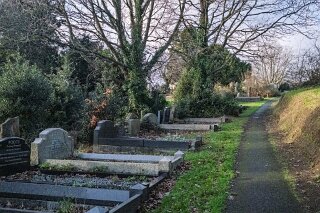
In December 2025, a visit to Belfast City Cemetery with a Fujifilm X100VI revealed a vast, rolling landscape that functions as much like a public park as a burial ground. The site is impeccably maintained, showing few signs of the vandalism that historically affected the area.
Observations of the cemetery’s unique layout—from its wide, vehicular-friendly avenues to its lively social atmosphere—prompted a deeper investigation into the history of this fascinating Victorian landmark.
The Victorian "Garden Cemetery" and Modern Utility
The avenues of Belfast City Cemetery appear remarkably suited for modern cars, yet this design is a legacy of 19th-century engineering. These wide, sweeping paths were originally constructed to accommodate the horse-drawn funeral cortège. During the Victorian era, a grand funeral was a primary status symbol; broad avenues allowed multiple carriages to manoeuvre with dignity during large processions.
Equally striking is the presence of numerous dog walkers. While cemeteries like Glasnevin or Mount Jerome in Dublin often maintain a more traditional, somber atmosphere, Belfast City Cemetery has embraced its status as a "Green Flag" park. This aligns with the original 1869 vision of a "Garden Cemetery"—a green lung for an industrial city intended for fresh air and "promenading." Today, the presence of the local community provides "natural surveillance," keeping the grounds safe and reclaiming the space as a vibrant public asset.
The "Upmarket" Circles and Architectural Prestige
Near the central steps and the Victorian Gothic fountain lies what was once the cemetery’s "prime real estate." This area, often referred to as the Victorian Distinguished Section, was designed to showcase the wealth of the city’s merchant princes.
The landscape is defined by The Circles—two large, concentric circular plots. These were architectural focal points where the most expensive graves were situated. The circular design created a sense of grandeur and rhythm in the landscape, ensuring that the monuments of the elite were visible from multiple angles, further emphasising the social hierarchy of 19th-century Belfast.
Missing Vaults and the Underground Wall
One notable difference from Dublin’s major cemeteries is the lack of "raised caskets" and elaborate family vaults. This absence is primarily due to geological and cultural factors:
Soil Conditions: Much of the site sits on "sleechy" (slippery clay) soil, which made deep, elaborate underground vault construction difficult and prone to flooding.
The Sectarian Divide: A defining feature of the site is the Underground Wall. This nine-foot-deep barrier was built to separate the Catholic and Protestant sections, a physical manifestation of the sectarian disputes that delayed the cemetery’s consecration.
Austerity in Tradition: Belfast’s funerary culture was heavily influenced by a more austere Presbyterian tradition, which often eschewed the flamboyant, above-ground theatricality of the vaults found in Dublin.
Symbolic Differences: The Absence of the Broken Column
Visitors familiar with Church of Ireland cemeteries in the Republic may notice a comparative lack of the "Broken Column" monument. In Victorian iconography, a snapped column symbolises a life cut short or a family tree interrupted. While common in the more romanticised Anglican traditions of the south, Belfast’s monuments often lean toward the solid and the complete—obelisks, draped urns, and sturdy Celtic crosses—reflecting the stoic, industrial confidence of the city’s 19th-century populace.
The Mystery of the Missing Panels
Throughout the older sections, several headstones appear incomplete, consisting of a hollow stone frame with a missing central section. Rather than vandalism, these are composite monuments. To manage costs, Victorian stonemasons often used a frame of durable but cheaper sandstone to hold a high-quality inset of marble or slate for the inscription.
Over a century of Belfast weather causes these different stones to expand and contract at different rates, eventually causing the central panels to pop out. In many instances, the Council removes loose panels during safety inspections to prevent injury, leaving behind these "empty windows" as unintentional monuments to the passage of time.
Echoes of the Industrial Age
The cemetery serves as a final ledger for the people who built Belfast. Notable burials include:
Viscount William Pirrie and Sir Edward Harland: The titans of the Harland & Wolff shipyard.
Rinty Monaghan: The world-champion boxer whose grave remains a site of modern pilgrimage.
The "Poor Ground": A sobering contrast to the grand circles, where over 80,000 people lie in unmarked graves, reflecting the harsh reality of the city's industrial past.
Whether exploring the grand monuments of industrial barons or walking the peaceful, tree-lined avenues, Belfast City Cemetery remains one of the most significant and evocative historical sites in Northern Ireland.
A Walk Through History: Notes from Belfast City Cemetery
In December 2025, a visit to Belfast City Cemetery with a Fujifilm X100VI revealed a vast, rolling landscape that functions as much like a public park as a burial ground. The site is impeccably maintained, showing few signs of the vandalism that historically affected the area.
Observations of the cemetery’s unique layout—from its wide, vehicular-friendly avenues to its lively social atmosphere—prompted a deeper investigation into the history of this fascinating Victorian landmark.
The Victorian "Garden Cemetery" and Modern Utility
The avenues of Belfast City Cemetery appear remarkably suited for modern cars, yet this design is a legacy of 19th-century engineering. These wide, sweeping paths were originally constructed to accommodate the horse-drawn funeral cortège. During the Victorian era, a grand funeral was a primary status symbol; broad avenues allowed multiple carriages to manoeuvre with dignity during large processions.
Equally striking is the presence of numerous dog walkers. While cemeteries like Glasnevin or Mount Jerome in Dublin often maintain a more traditional, somber atmosphere, Belfast City Cemetery has embraced its status as a "Green Flag" park. This aligns with the original 1869 vision of a "Garden Cemetery"—a green lung for an industrial city intended for fresh air and "promenading." Today, the presence of the local community provides "natural surveillance," keeping the grounds safe and reclaiming the space as a vibrant public asset.
The "Upmarket" Circles and Architectural Prestige
Near the central steps and the Victorian Gothic fountain lies what was once the cemetery’s "prime real estate." This area, often referred to as the Victorian Distinguished Section, was designed to showcase the wealth of the city’s merchant princes.
The landscape is defined by The Circles—two large, concentric circular plots. These were architectural focal points where the most expensive graves were situated. The circular design created a sense of grandeur and rhythm in the landscape, ensuring that the monuments of the elite were visible from multiple angles, further emphasising the social hierarchy of 19th-century Belfast.
Missing Vaults and the Underground Wall
One notable difference from Dublin’s major cemeteries is the lack of "raised caskets" and elaborate family vaults. This absence is primarily due to geological and cultural factors:
Soil Conditions: Much of the site sits on "sleechy" (slippery clay) soil, which made deep, elaborate underground vault construction difficult and prone to flooding.
The Sectarian Divide: A defining feature of the site is the Underground Wall. This nine-foot-deep barrier was built to separate the Catholic and Protestant sections, a physical manifestation of the sectarian disputes that delayed the cemetery’s consecration.
Austerity in Tradition: Belfast’s funerary culture was heavily influenced by a more austere Presbyterian tradition, which often eschewed the flamboyant, above-ground theatricality of the vaults found in Dublin.
Symbolic Differences: The Absence of the Broken Column
Visitors familiar with Church of Ireland cemeteries in the Republic may notice a comparative lack of the "Broken Column" monument. In Victorian iconography, a snapped column symbolises a life cut short or a family tree interrupted. While common in the more romanticised Anglican traditions of the south, Belfast’s monuments often lean toward the solid and the complete—obelisks, draped urns, and sturdy Celtic crosses—reflecting the stoic, industrial confidence of the city’s 19th-century populace.
The Mystery of the Missing Panels
Throughout the older sections, several headstones appear incomplete, consisting of a hollow stone frame with a missing central section. Rather than vandalism, these are composite monuments. To manage costs, Victorian stonemasons often used a frame of durable but cheaper sandstone to hold a high-quality inset of marble or slate for the inscription.
Over a century of Belfast weather causes these different stones to expand and contract at different rates, eventually causing the central panels to pop out. In many instances, the Council removes loose panels during safety inspections to prevent injury, leaving behind these "empty windows" as unintentional monuments to the passage of time.
Echoes of the Industrial Age
The cemetery serves as a final ledger for the people who built Belfast. Notable burials include:
Viscount William Pirrie and Sir Edward Harland: The titans of the Harland & Wolff shipyard.
Rinty Monaghan: The world-champion boxer whose grave remains a site of modern pilgrimage.
The "Poor Ground": A sobering contrast to the grand circles, where over 80,000 people lie in unmarked graves, reflecting the harsh reality of the city's industrial past.
Whether exploring the grand monuments of industrial barons or walking the peaceful, tree-lined avenues, Belfast City Cemetery remains one of the most significant and evocative historical sites in Northern Ireland.
BELFAST CITY CEMETERY