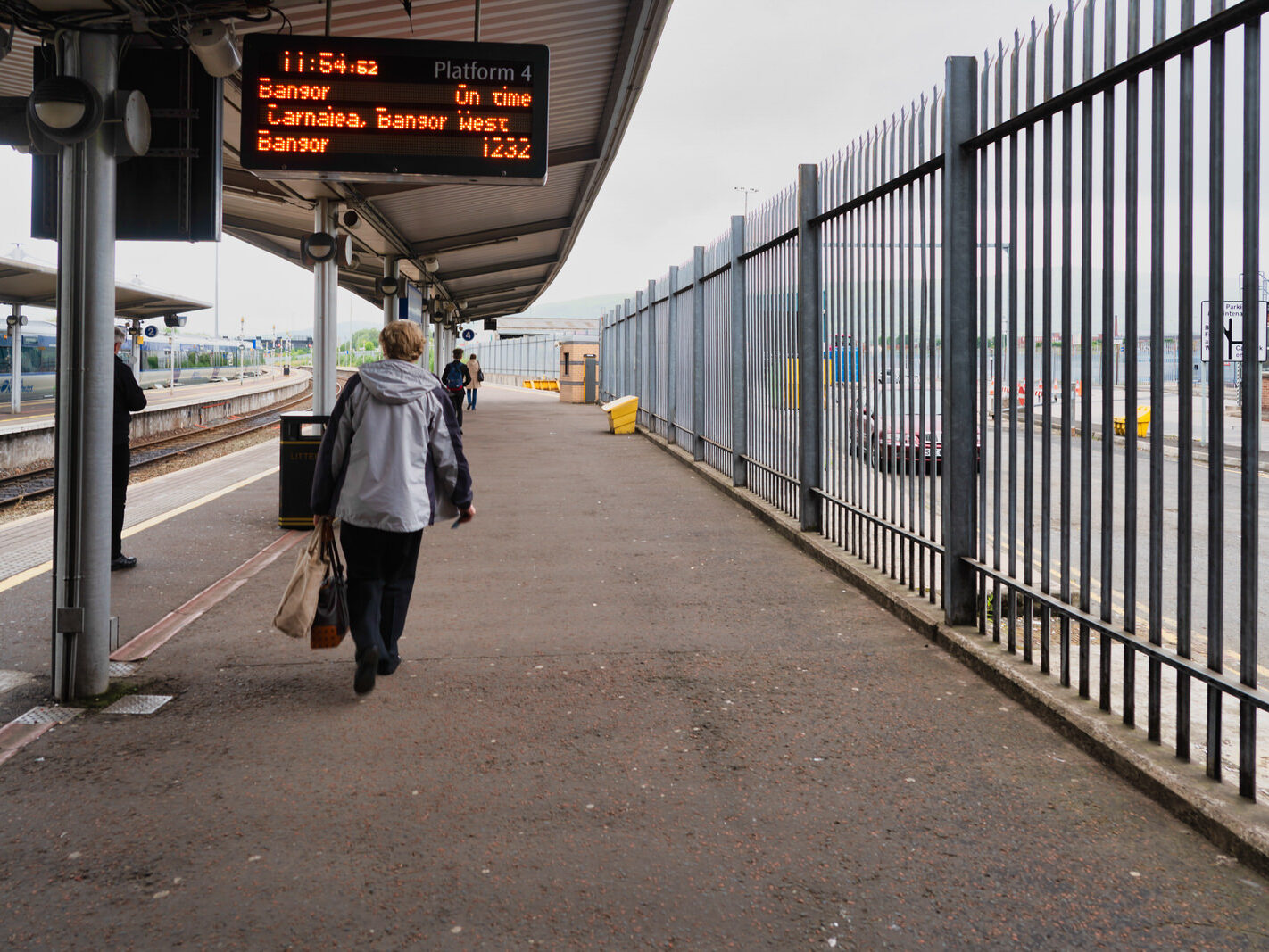
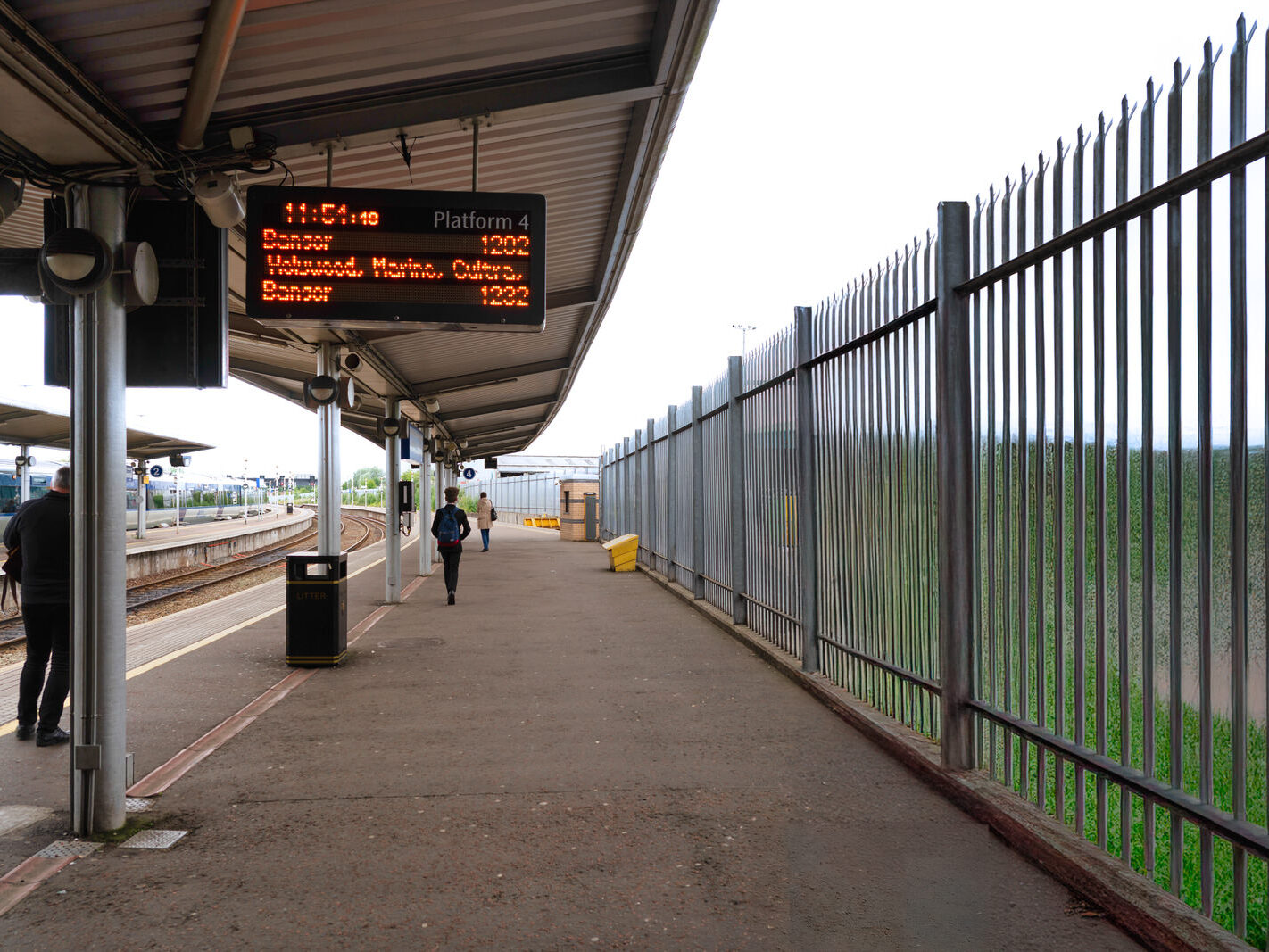
THIS IS AN EXPERIMENTAL POST
Lagan Railway Bridge Explorer 🌉
Overview of the Lagan Railway Bridge
Welcome! This interactive application allows you to explore the Lagan Railway Bridge in Belfast – its rich history, intricate engineering, current role in the city’s transport network, and its impact on the local community. Discover how this vital piece of infrastructure has evolved and continues to serve Belfast.
Name
Lagan Railway Bridge
Built
1974-1976 (Current Structure)
Location
Belfast, crossing River Lagan near Lanyon Place Station
Primary Use
Double-track railway line
Secondary Use
Pedestrian Walkway
Length
Approximately 130 metres (440 feet)
Spans
6 spans
Piers
Supported by 4 piers
Connectivity
Essential for services to Bangor, Larne, and Derry/Londonderry
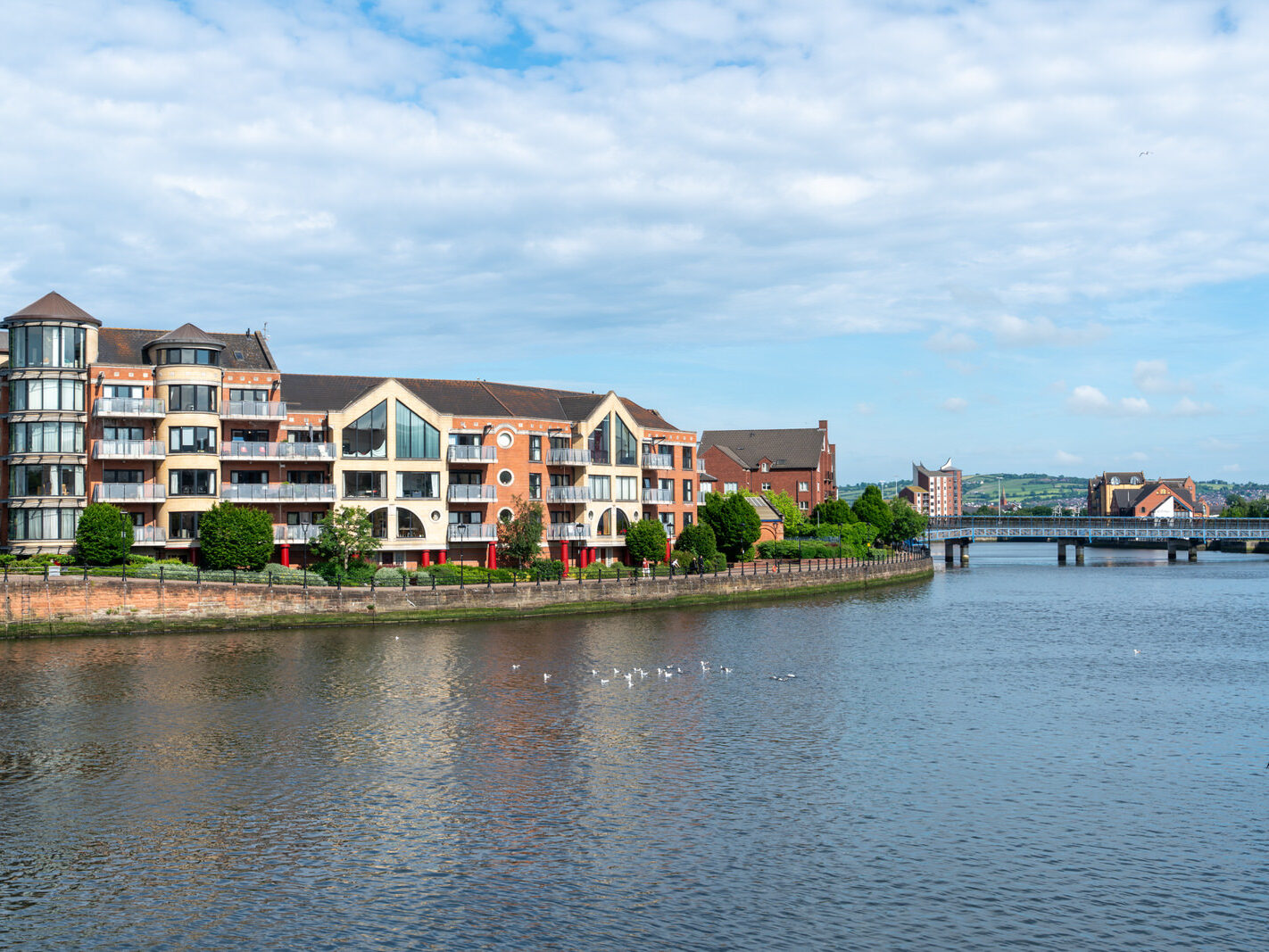
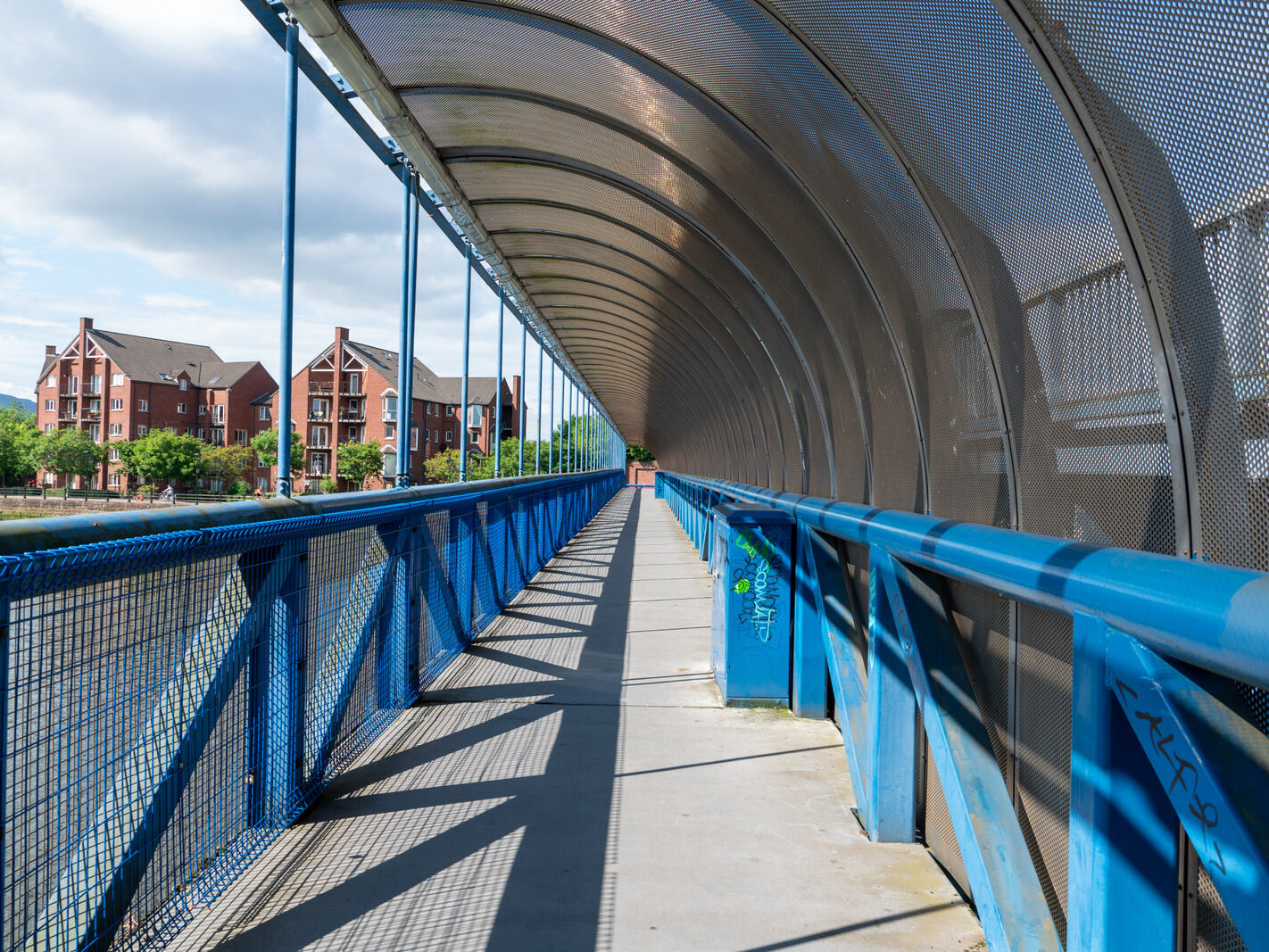
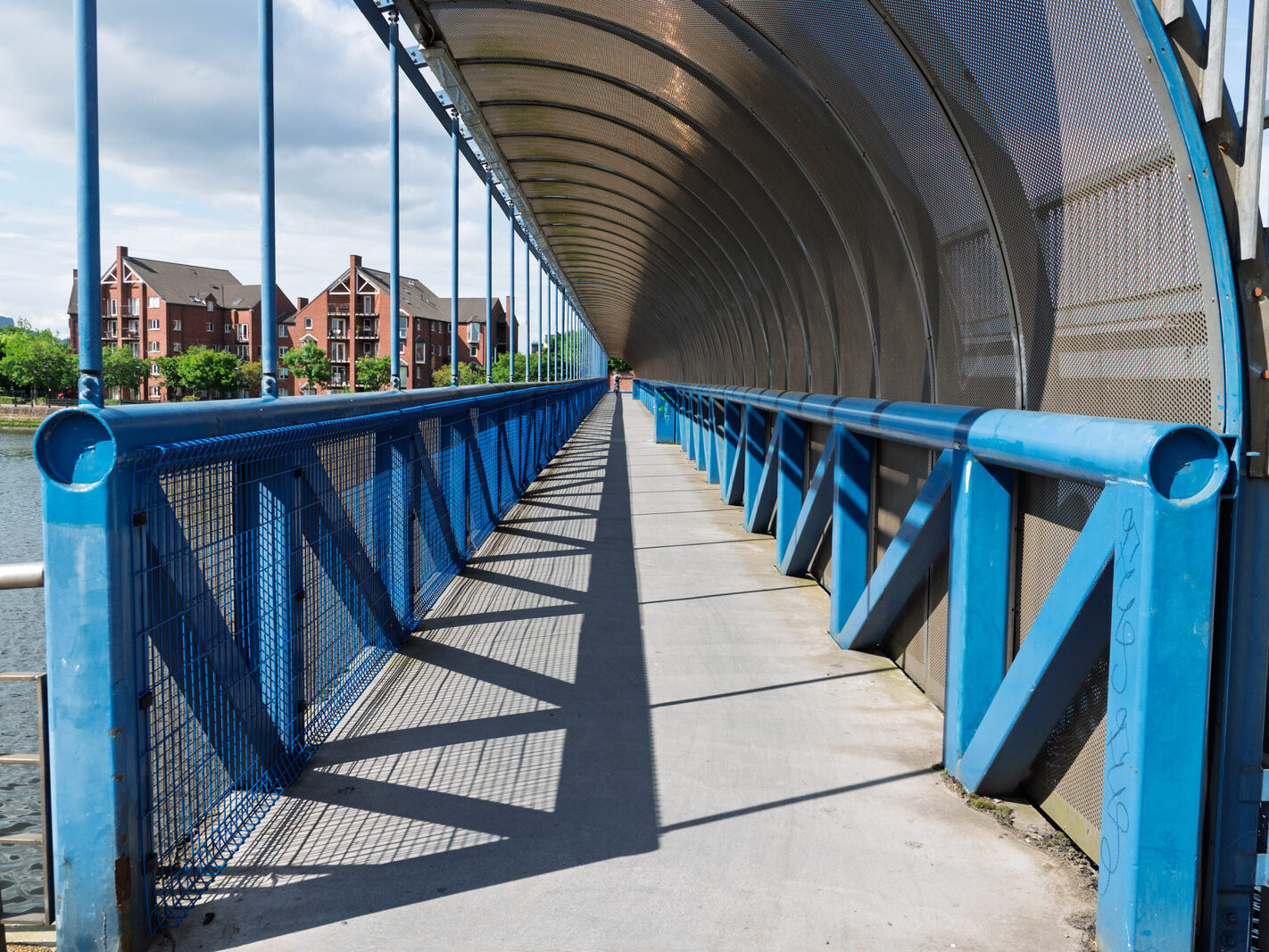
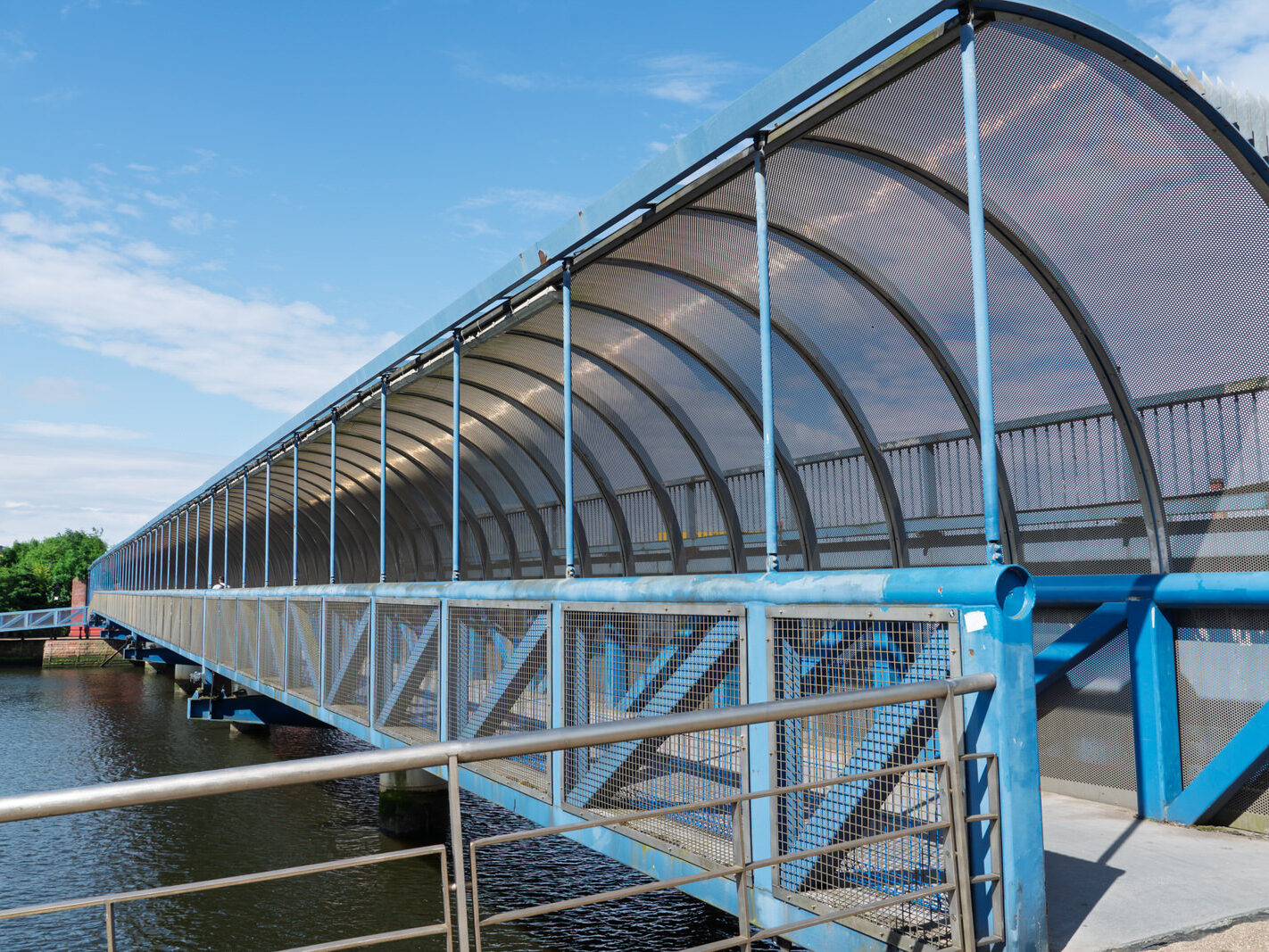
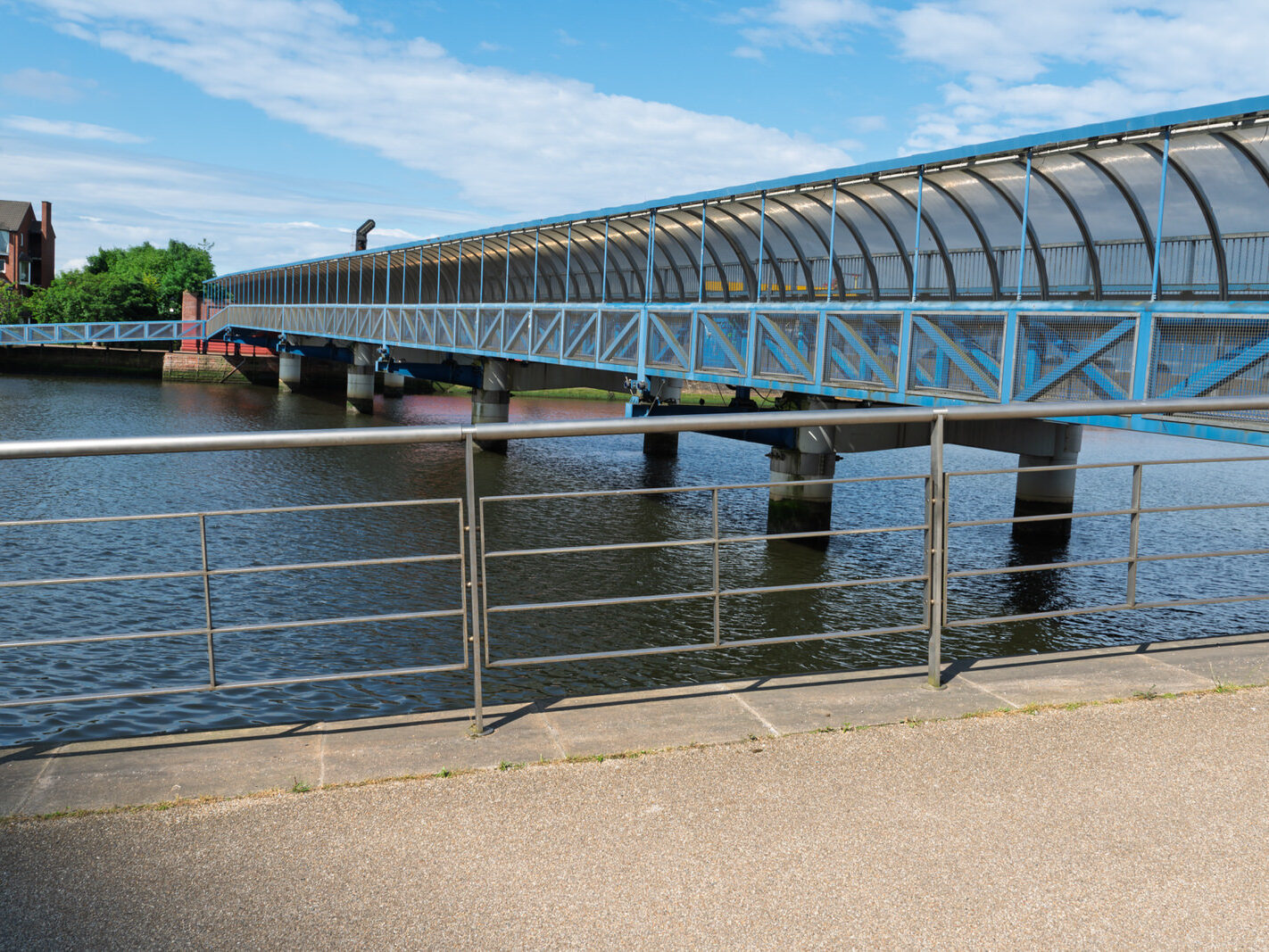
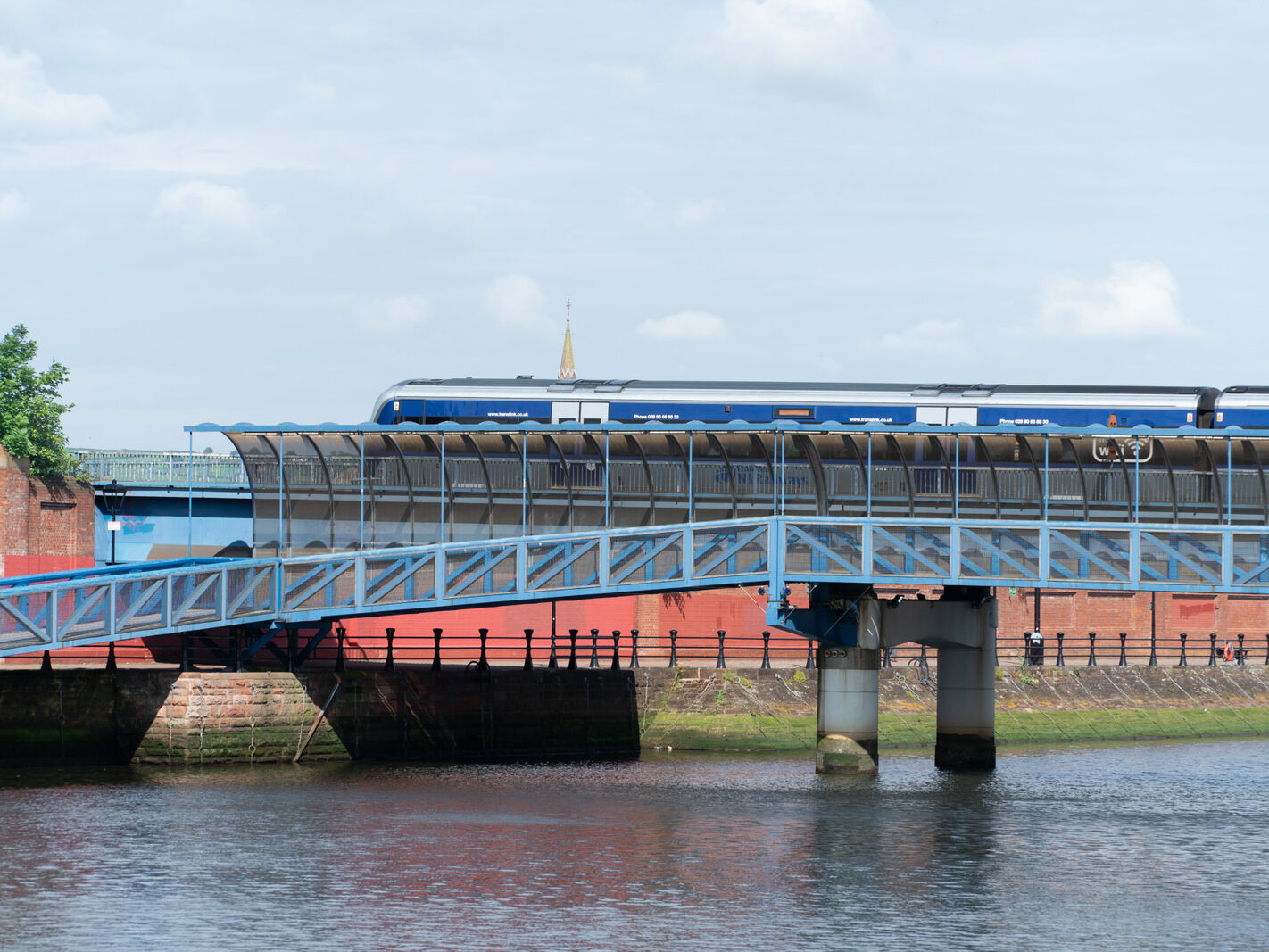
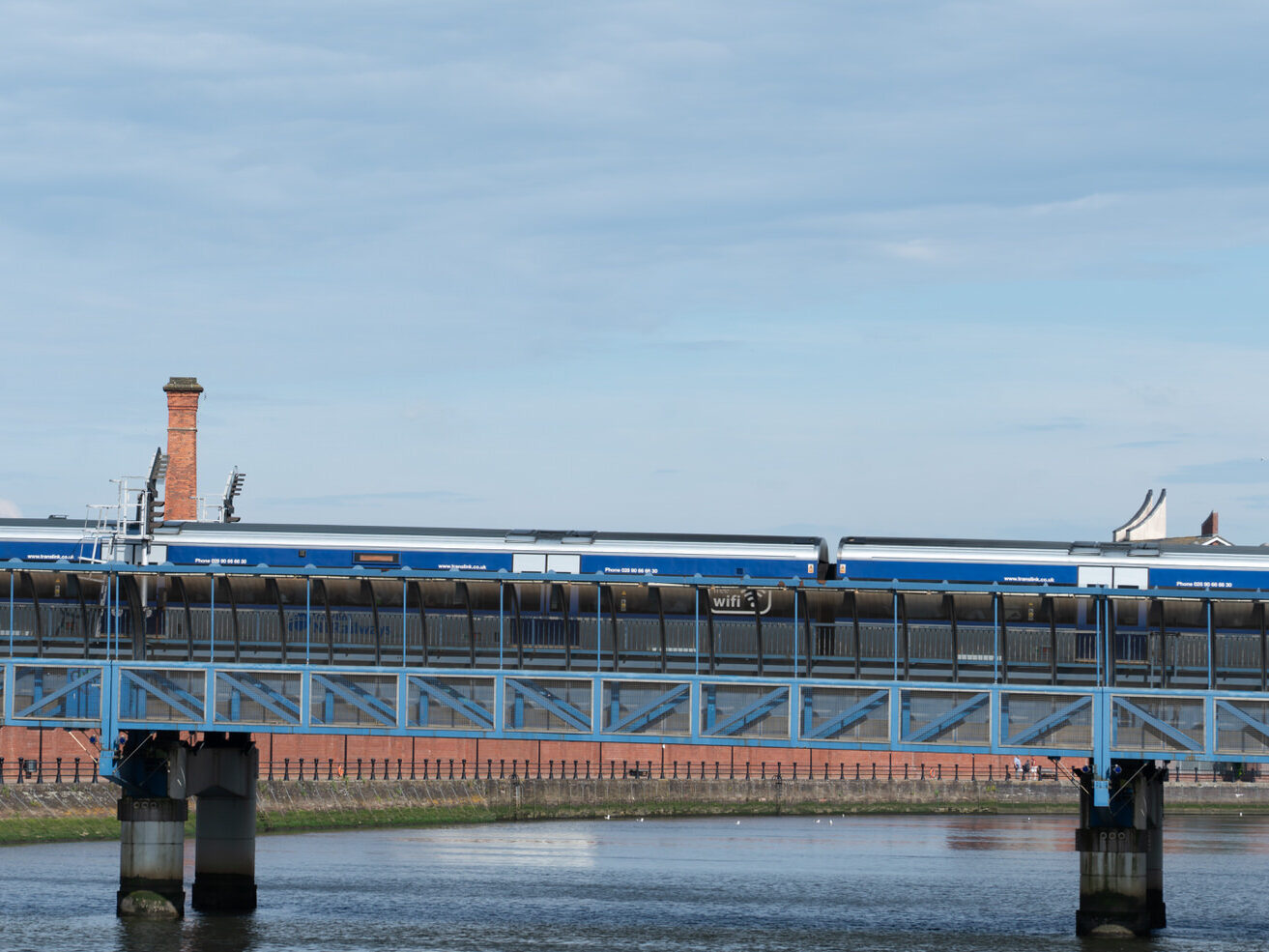
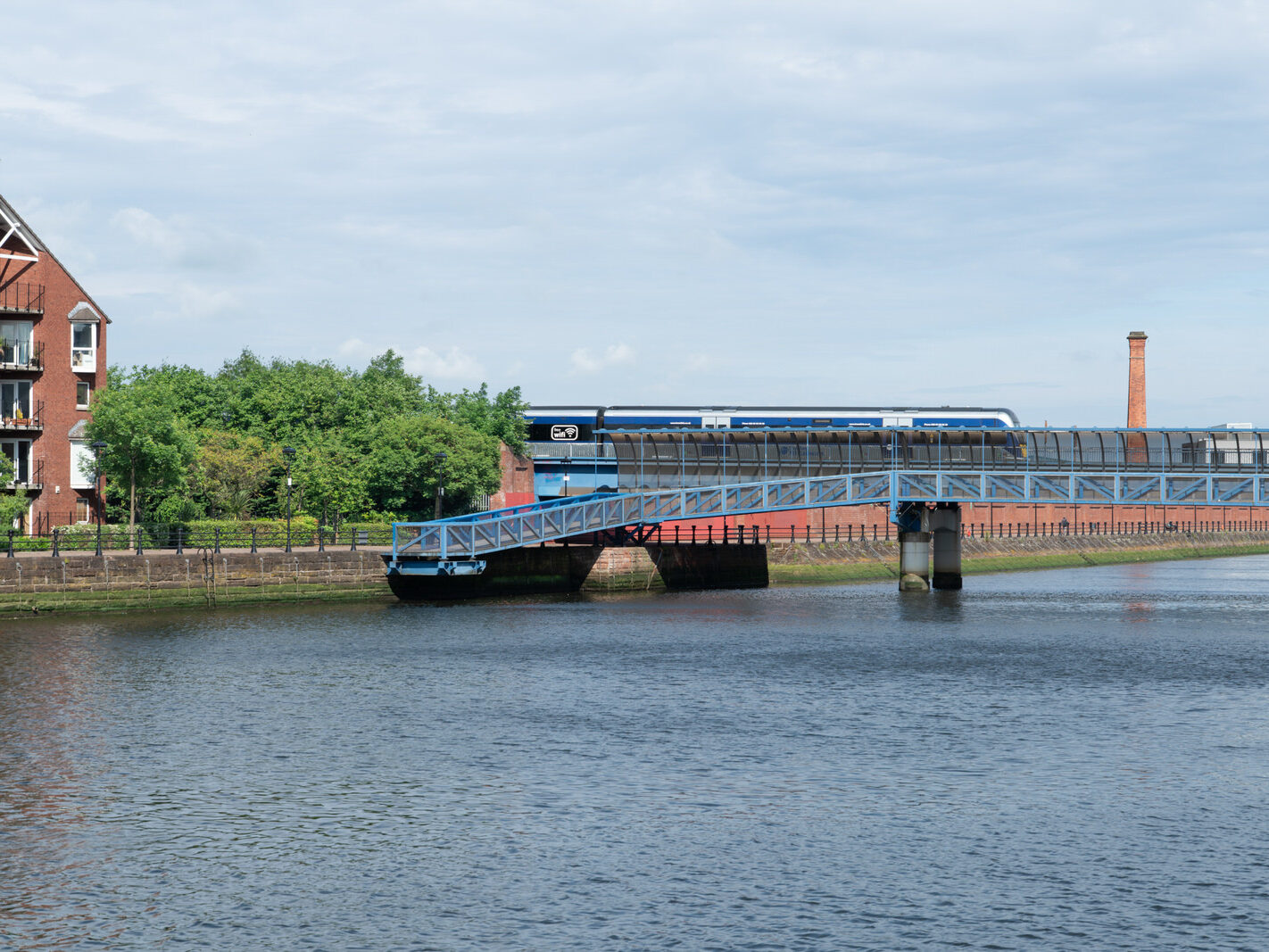
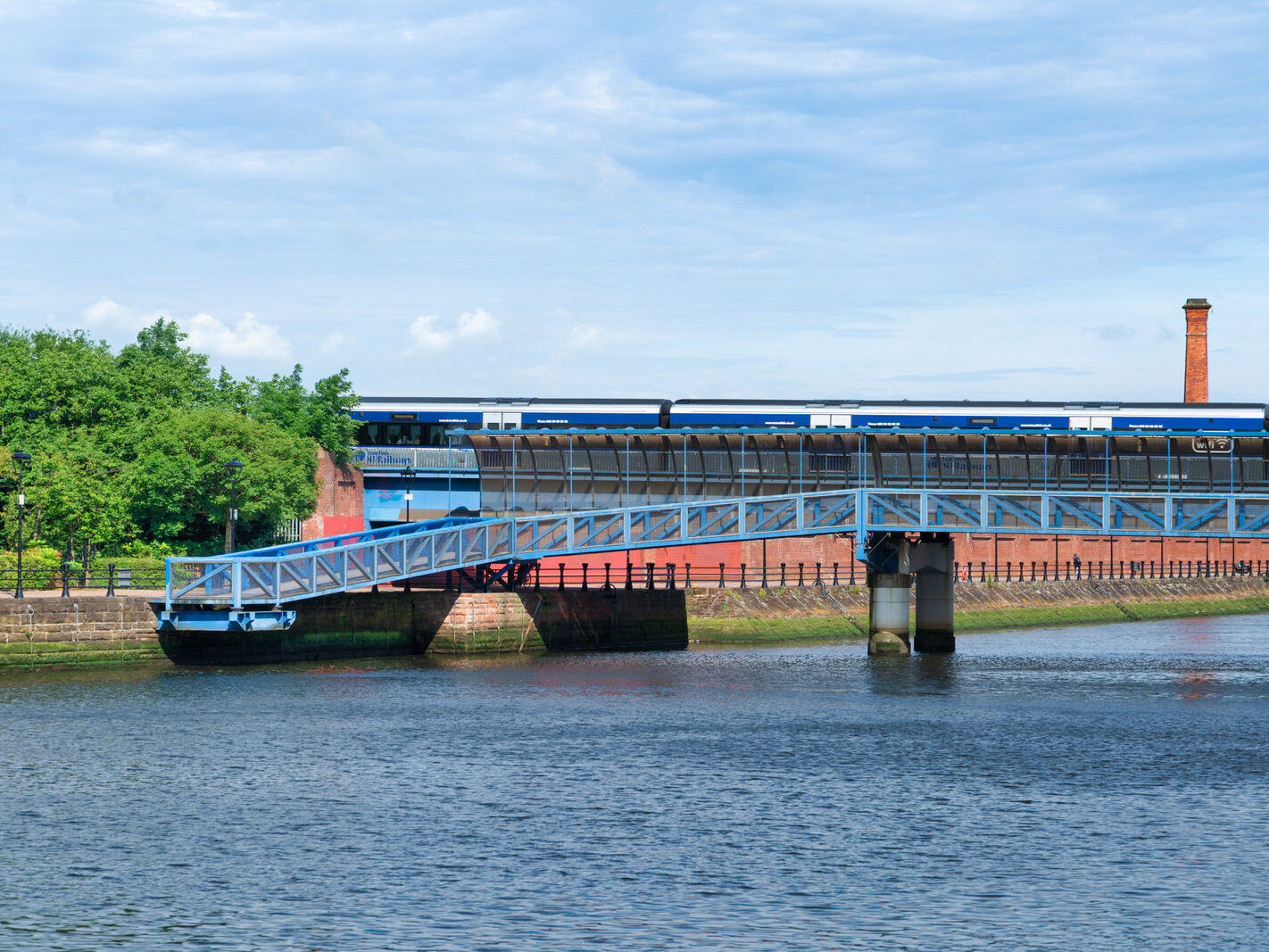
The Lagan Railway Bridge in Belfast is a critical piece of infrastructure, facilitating both rail and pedestrian movement across the River Lagan. Situated just north of what is now Lanyon Place Station, it carries a double-track railway line, essential for services connecting Belfast with Bangor, Larne, and Derry/Londonderry. Importantly, a pedestrian walkway is integrated into its structure, providing a valuable riverside link for the local community.
The current bridge, built in the mid-1970s, replaced an earlier, more basic structure. Its dual functionality, while primarily serving rail, acknowledges the growing importance of pedestrian connectivity in a dense urban environment, a key aspect of contemporary urban planning. Its strategic location adjacent to a major transport interchange like Lanyon Place further highlights its significance, with the pedestrian walkway acting as a vital “last mile” connector.
This report offers a comprehensive examination of the Lagan Railway Bridge, covering its history, engineering, ongoing operations, and socio-environmental impact. All terminology and spelling adhere to British English conventions.
A Storied Crossing: The History of the Lagan Railway Bridge
The present Lagan Railway Bridge is the successor to an earlier structure, each reflecting the engineering capabilities and transport priorities of its era.
The Predecessor: The “Lagan Shaky Bridge” (1875/1884-1965)
Before the existing bridge, a more basic, single-track wooden structure served the crossing. Constructed by the Belfast Central Railway, it was crucial for unifying Belfast’s burgeoning rail network, connecting the Great Northern Railway with the Belfast and County Down Railway.
However, this original bridge, known as “The Lagan Shaky Bridge,” had limitations. Heavier locomotives were prohibited from crossing, and its timber construction and single-track design became increasingly inadequate for evolving railway technology and traffic demands. The “Shaky Bridge” was closed in 1965 by the Ulster Transport Authority and subsequently demolished. This demolition was not only due to its operational deficiencies but also to wider urban redevelopment pressures, particularly the need to accommodate the widened Middlepath Street.
The Modern Era: Rebuilding for the Future (1974-1976)
Following a near decade-long hiatus, the current Lagan Railway Bridge was built between 1974 and 1976 as part of the comprehensive rebuilding of the Belfast Central line. Northern Ireland Railways officially opened the new bridge in 1976, coinciding with the reopening of Belfast Central Station (now Lanyon Place). This significant investment reinstated passenger traffic on the Belfast Central Railway line, signalling a renewed commitment to rail transport in the city.
The new bridge was a considerable improvement. It features a double-track configuration, supported by four piers, and comprises six spans with a total length of approximately 130 metres (440 feet). One span crosses Laganbank Road, integrating the bridge into the road network below. Its robust design, utilising steel and concrete, was intended for long-term service and capable of handling heavier, more frequent modern rail traffic.
Integration of the Pedestrian Walkway: A Community Link
A key feature of the 1976 Lagan Railway Bridge is the inclusion of a pedestrian walkway on its downstream side. This walkway provides a direct link between Laganbank Road and Laganview Court. Its incorporation, even if secondary to the primary rail function, demonstrated foresight in recognising the bridge’s potential for multi-modal transport. This suggests an element of integrated transport planning, acknowledging that railway infrastructure, particularly stations, generates considerable pedestrian flow and that river crossings offer valuable opportunities for creating direct pedestrian routes.
Engineering and Design of the 1976 Structure
The construction of the Lagan Railway Bridge in the 1970s was a significant undertaking, involving experienced designers and contractors.
The Visionaries: Designers and Engineers
The Lagan Railway Bridge was designed by Acer (formerly Freeman Fox and Partners), a distinguished engineering consultancy. Their involvement highlights the technical complexity and strategic importance of the Belfast Central Railway reopening. The designs for the broader Belfast cross-harbour road and rail bridges project, which included this bridge, were also assessed by the Royal Fine Art Commission, indicating a concern for the visual impact of such large-scale engineering works on Belfast’s urban landscape.
The Builders: Construction and Contractors
Construction of the Lagan Railway Bridge was carried out by a joint venture between Graham Construction and Farrans Construction. This strategy is common for large projects, allowing firms to pool resources, share expertise, and manage substantial risks. The project’s dual clients, Northern Ireland Road Service and Northern Ireland Railways, further underscore the integrated nature and considerable scale of this 1970s infrastructure programme.
Structural Details and Materials
The Lagan Railway Bridge is classified as a multi-span continuous girder bridge. Its primary structural materials are steel girders supported on reinforced concrete piers. This choice of materials was standard for railway bridges of that period, offering a reliable combination of strength, resilience to dynamic loading from trains, and a long operational lifespan, a stark contrast to its timber predecessor.
The bridge is 130 metres long and has six spans to carry the double railway track. It is a straight, single-level structure. While some sources may mention “concrete box construction” in relation to the broader Belfast cross-harbour scheme, this likely refers to the M3 Lagan Bridge (a road bridge), which was part of the same overall project. The Lagan Railway Bridge specifically utilised a steel girder design.
The Bridge Today: Condition, Maintenance, and Future Outlook
Nearly half a century after its construction, the Lagan Railway Bridge continues to serve its vital functions.
Current Status: Is the Lagan Railway Bridge Due for Replacement or Upgrade?
There are no specific indications that the 1976 Lagan Railway Bridge itself is currently scheduled for major replacement or a comprehensive upgrade. It is important to distinguish this specific railway bridge from several other notable bridge projects and maintenance works on or planned for the River Lagan.
For instance, a significant, entirely separate structure, the “Lagan Pedestrian and Cycle Bridge,” is in an advanced stage of procurement, with construction potentially commencing in late 2025. Other maintenance activities include parapet upgrades for the M1 River Lagan Moira Bridge (a road bridge) and joint/bearing replacements for the M3 Lagan Bridge (a motorway road bridge). The Lagan Weir Footbridge was also replaced in 2015, and the Dargan Bridge, another rail bridge further downstream, was built in 1994.
The absence of announced replacement plans for the 1976 Lagan Railway Bridge suggests it is currently considered structurally sound and effectively fulfilling its primary rail transport function. Major railway infrastructure is designed for substantial operational lifespans, often exceeding a century with appropriate maintenance.
The Challenges of Upkeep: Maintaining an Urban Railway Bridge
Specific maintenance schedules or unique challenges for the Lagan Railway Bridge are not publicly detailed. However, general principles of railway bridge maintenance offer insight into the likely upkeep. Network Rail in Great Britain, for example, undertakes regular monitoring, repairs to brickwork and concrete, waterproofing, strengthening works, and for metal bridges, periodic grit-blasting and repainting to combat corrosion.
Maintaining a steel and concrete structure nearing its fiftieth year in a marine-influenced urban environment, such as Belfast, presents inherent challenges. These include ongoing corrosion control for steel elements, monitoring concrete degradation, and ensuring continued structural integrity under the constant dynamic loading of heavy rail traffic. The saline atmosphere in Belfast can accelerate corrosion and affect concrete durability if not managed.
Logistical complexities are significant for major urban bridge maintenance. Any closure of the Lagan Railway Bridge for maintenance would directly impact essential train schedules, causing considerable disruption. Such interventions would require meticulous planning, likely scheduled during periods of lowest traffic and often involving bus replacement services.
As the public transport provider in Northern Ireland, Translink, which incorporates NI Railways, is responsible for the maintenance of its railway infrastructure, including bridges. The lack of prominent public reports regarding major maintenance on this specific bridge often indicates that ongoing upkeep is effectively managing the structure’s condition within expected parameters.
The Human Element: Community and Environmental Interactions
The Lagan Railway Bridge, as a piece of urban infrastructure, interacts with the local community and environment in several ways, including noise generation, social dynamics, and pedestrian safety.
Sounds of the City: Addressing Noise Concerns for Local Residents
No specific noise complaints directly attributable to the Lagan Railway Bridge were identified in the available research. However, noise generation is inherent in railway operations from passing trains, braking, and occasional horn use. If trains idle near the bridge due to its proximity to Lanyon Place station, this could also be a source of sound.
In the broader UK context, Network Rail has procedures for addressing railway noise, and Translink is expected to have analogous responsibilities in Northern Ireland. While Belfast experiences a high number of general noise complaints, primarily domestic, the absence of specific complaints regarding the railway bridge suggests current noise levels may be within acceptable limits or that local residents have become accustomed to the soundscape.
Social Dynamics: Anti-Social Behaviour in the Bridge’s Vicinity
Research did not yield specific reports of anti-social behaviour (ASB) directly on the Lagan Railway Bridge or its walkway. However, ASB has been noted in the broader vicinity of the River Lagan’s walkways, with concerns raised about underage drinking and large gatherings. While overall ASB incidents in Northern Ireland have declined, this does not provide granular detail for specific locations.
The Lagan Railway Bridge walkway, as a public thoroughfare, could theoretically be susceptible to ASB, particularly if it offers a degree of seclusion or is near a major transport hub. The physical condition of a structure, including its state of repair and lighting, can also significantly influence its perceived safety and attractiveness for undesirable activities.
Safety on Foot: The Pedestrian Walkway Day and Night
Specific information on current lighting, surveillance, or documented safety incidents directly on the Lagan Railway Bridge’s pedestrian walkway is not available. However, insights can be drawn from surrounding areas and similar infrastructure.
The wider Lagan Towpath system, which the walkway connects to, has documented safety considerations, including conflicts between cyclists and pedestrians. If the Lagan Railway Bridge walkway is narrow and shared, similar conflicts could arise. The immediate connecting area, Laganbank Road, has been described as a “dark, unfriendly streetscape” with “pinched footways,” which could influence the perceived safety of the walkway, especially after dark.
Concerns about safety, particularly for women at night, and inadequate lighting have been significant issues on other Lagan footbridges. The new Lagan Pedestrian and Cycle Bridge project explicitly aims to improve safety, suggesting an acknowledgement by authorities that existing cross-Lagan routes may not uniformly meet current safety and amenity standards. The absence of positive mentions regarding the walkway’s lighting or specific safety features, coupled with the issues on comparable Lagan walkways, implies that the railway bridge’s walkway could potentially suffer from similar deficiencies.
Conclusion: The Lagan Railway Bridge – Past, Present, and Future Role
The Lagan Railway Bridge, in its current 1976 form, embodies Belfast’s evolving transport needs. It replaced the “Lagan Shaky Bridge,” marking a significant reinvestment in the city’s central railway infrastructure. Designed by Acer and constructed by a joint venture of Graham Construction and Farrans Construction, the bridge was engineered for durability and capacity, featuring a double-track steel girder design on reinforced concrete piers. Its nearly five decades of uninterrupted service attest to its successful primary engineering purpose.
The integrated pedestrian walkway, part of the original 1976 design, demonstrates an early consideration for multi-modal connectivity. Currently, there are no publicly announced plans for the bridge’s replacement or major upgrade. It is crucial to differentiate this from the new, separate Lagan Pedestrian and Cycle Bridge project, which is a major active travel initiative elsewhere on the river.
Maintaining such a structure in an urban, marine-influenced environment presents ongoing, though generally manageable, challenges typical of ageing infrastructure. While specific issues pertaining to this bridge were not highlighted, the logistical complexities of maintaining any critical urban transport link are considerable.
Regarding social impact, no specific noise complaints or direct reports of anti-social behaviour were found for the bridge. However, the potential for railway noise in an urban setting is acknowledged, and theoretical vulnerabilities for ASB exist on public thoroughfares, especially in areas with perceived seclusion or inadequate lighting. The safety and amenity of the pedestrian walkway, particularly concerning lighting and potential user conflicts, may warrant future review. The “dark, unfriendly streetscape” of the connecting Laganbank Road and the high standards of safety and design applied to new active travel projects could prompt a critical look at older facilities.
In conclusion, the Lagan Railway Bridge remains an indispensable element of Belfast’s railway network, a robustly engineered structure that has served the city well. Its pedestrian walkway provides a useful local connection. However, while its primary rail function appears secure, the standards and expectations for pedestrian and cyclist infrastructure have evolved significantly since the 1970s. The future of the bridge’s pedestrian amenity may well be shaped less by its railway role and more by the broader strategic development of Belfast’s waterfront and its expanding, high-quality active travel network.