HOWTH

THIS SECTION INCLUDES RECENT AND LEGACY MATERIAL

LIMERICK QUICK AND SIMPLE PHOTO GALLERIES VISIT THE OCTOBER 2025 DIARY VISIT THE SEPTEMBER 2025 DIARY THE OCTOBER 2025 PHOTO GALLERY EXPLORING WATERFORD CITY 2016-2025 THE URBAN CARTOGRAPHER HOME PAGE

THIS WAS MY MOTHER’S FAVOURITE RESTAURANT

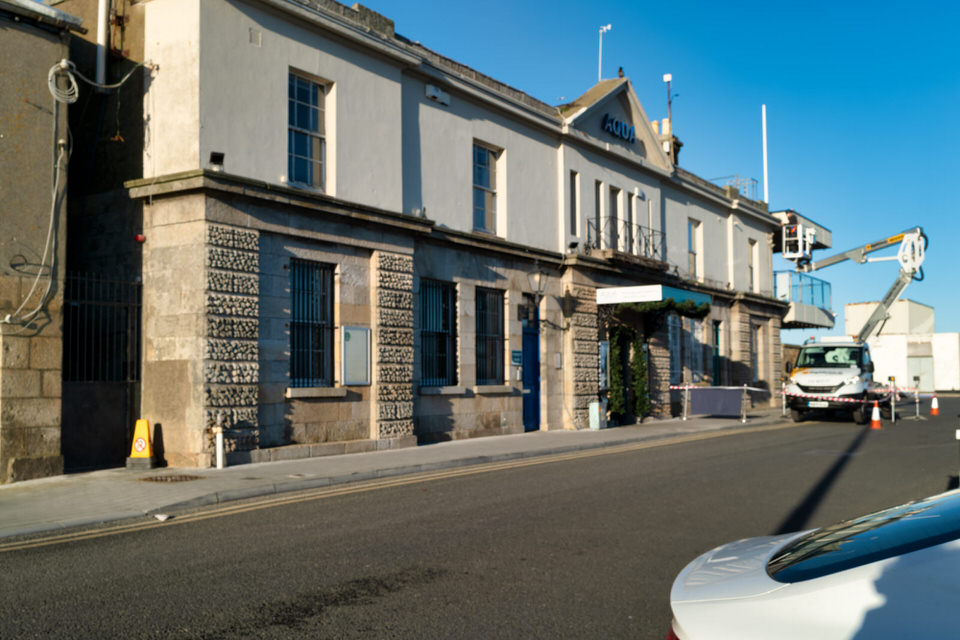
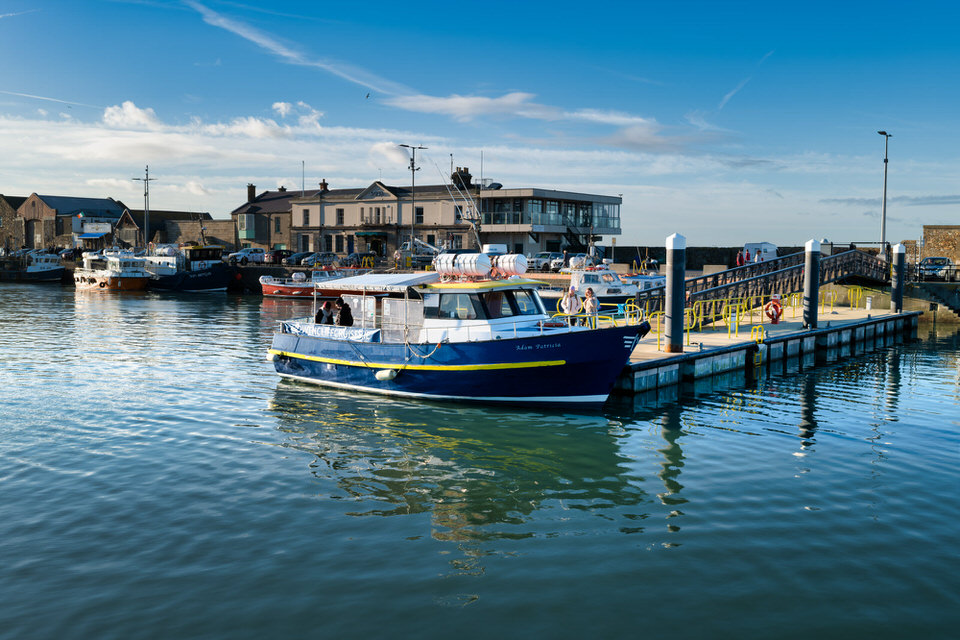
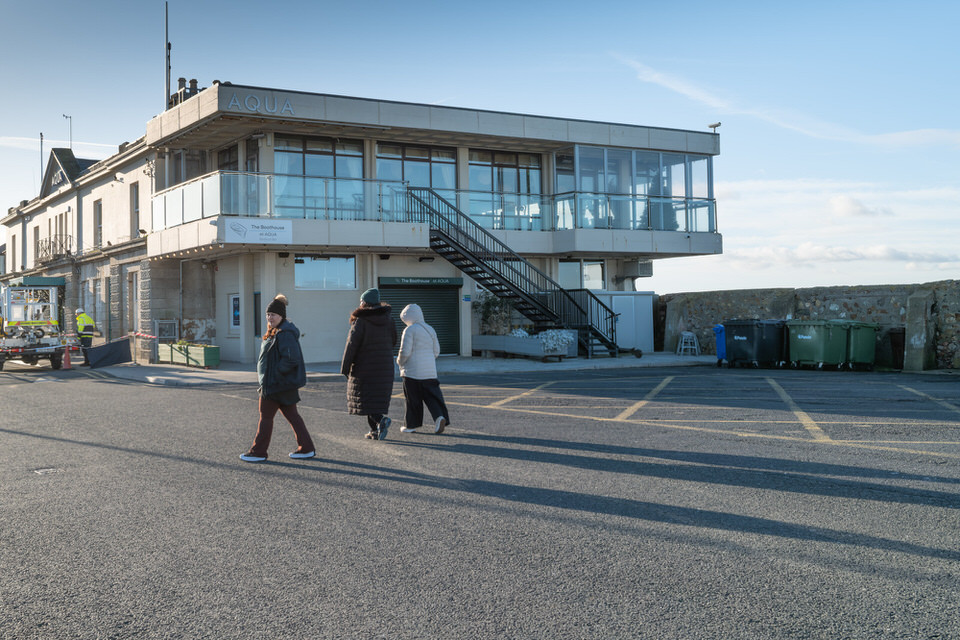
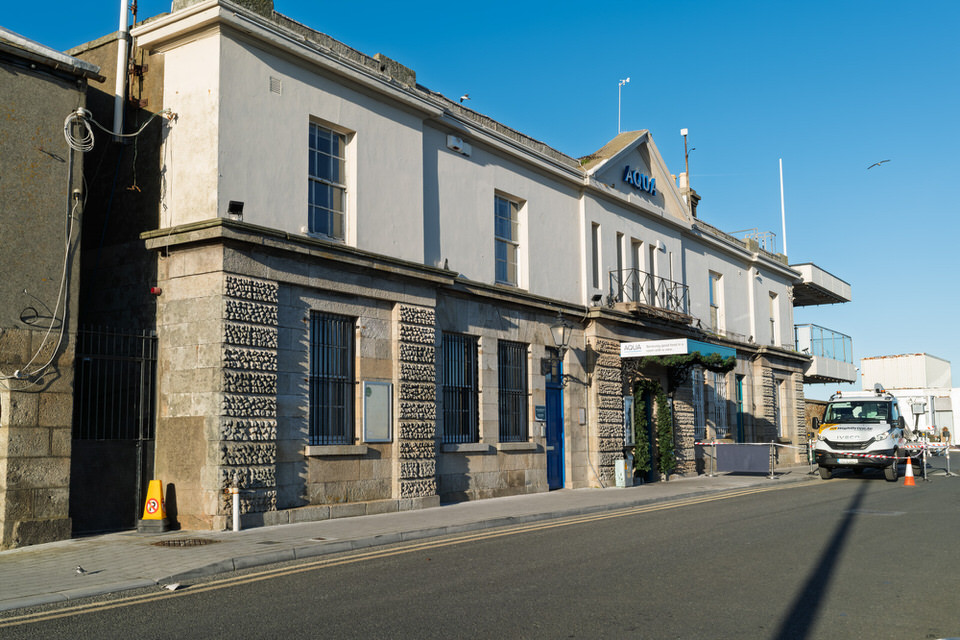
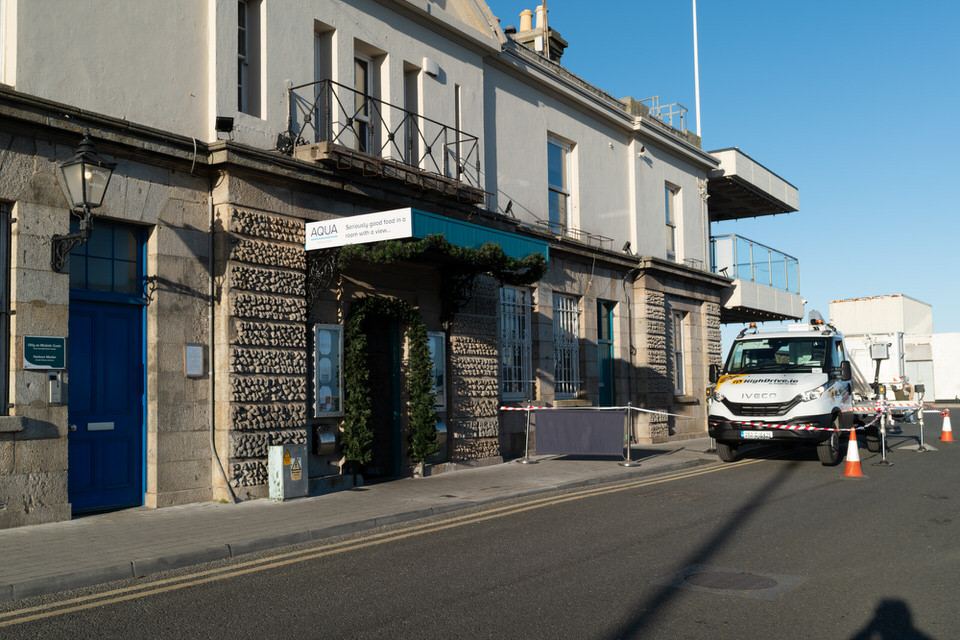
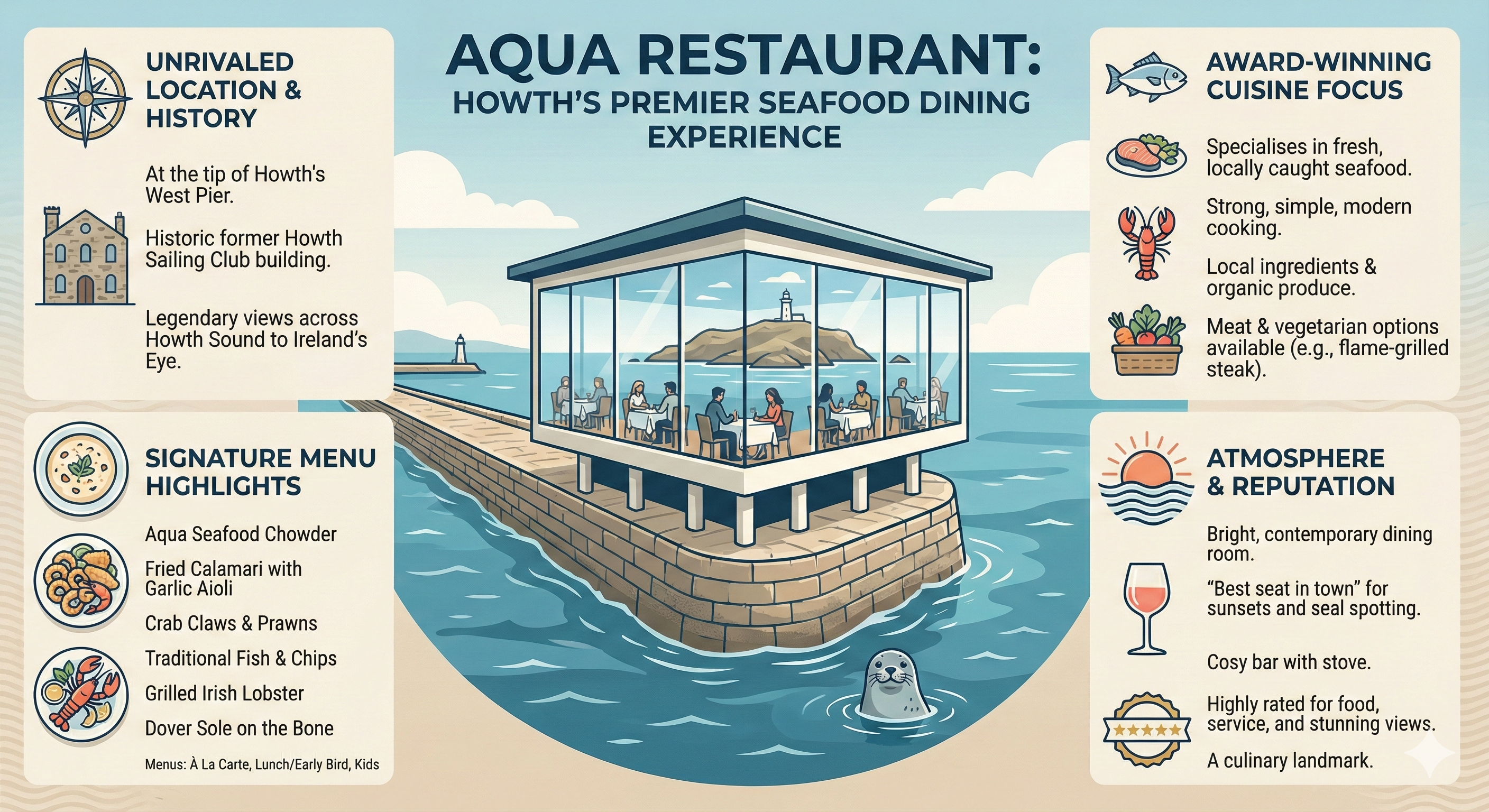
AQUA IN HOWTH

We were actually invited to help celebrate the restaurant's 20th anniversary in 2020. Aqua originally opened with a private party on New Year’s Eve 1999, welcoming its first paying guests on January 10, 2000. Sadly, we missed that 20th-anniversary celebration. By then, my mother had turned 100, and due to Covid-19 restrictions, we were unable to celebrate her birthday on May 14th or visit the restaurant.

DOES NOT OPEN ON MONDAYS OR TUESDAYS

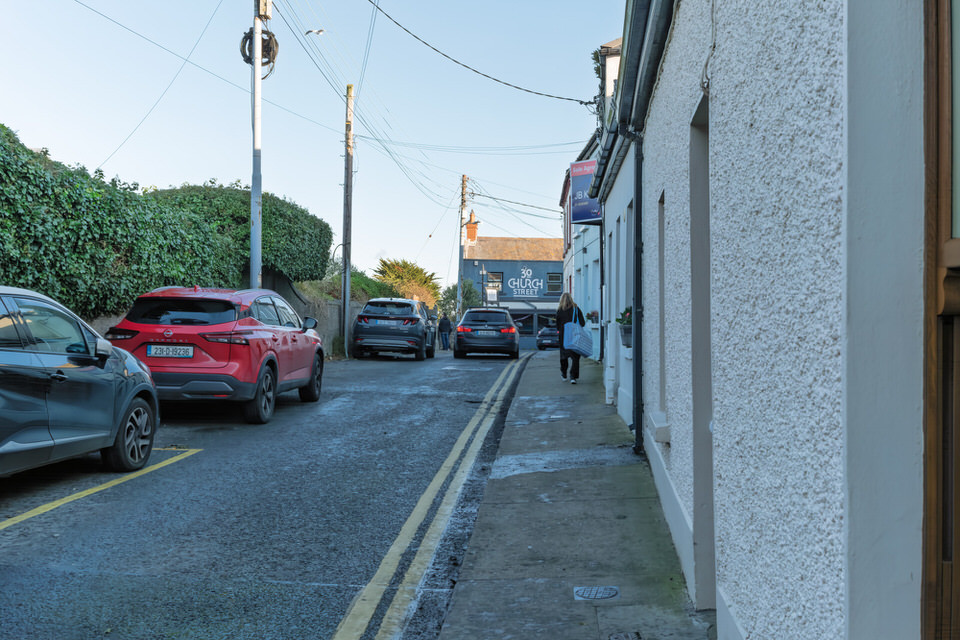
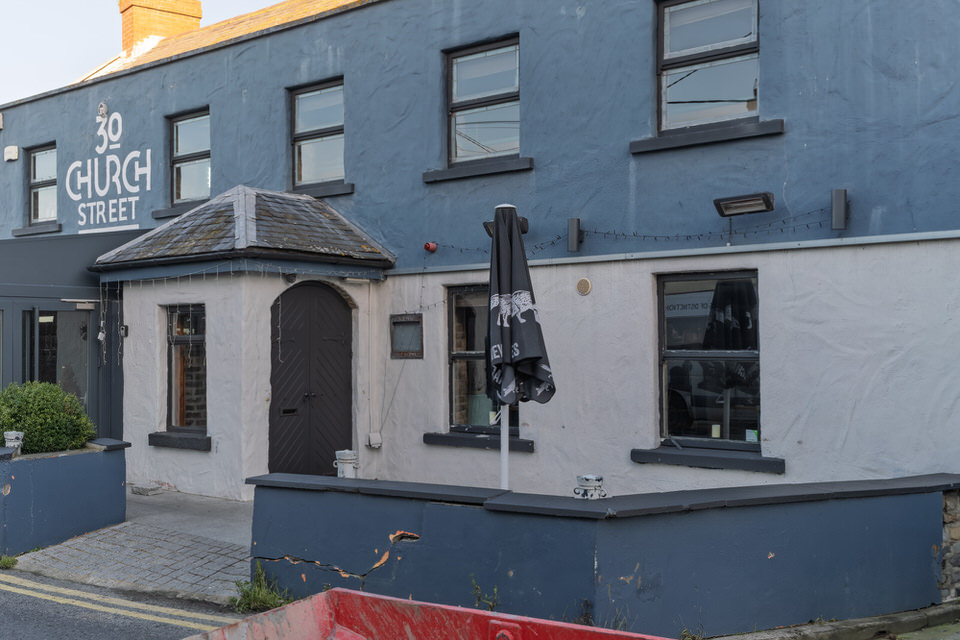
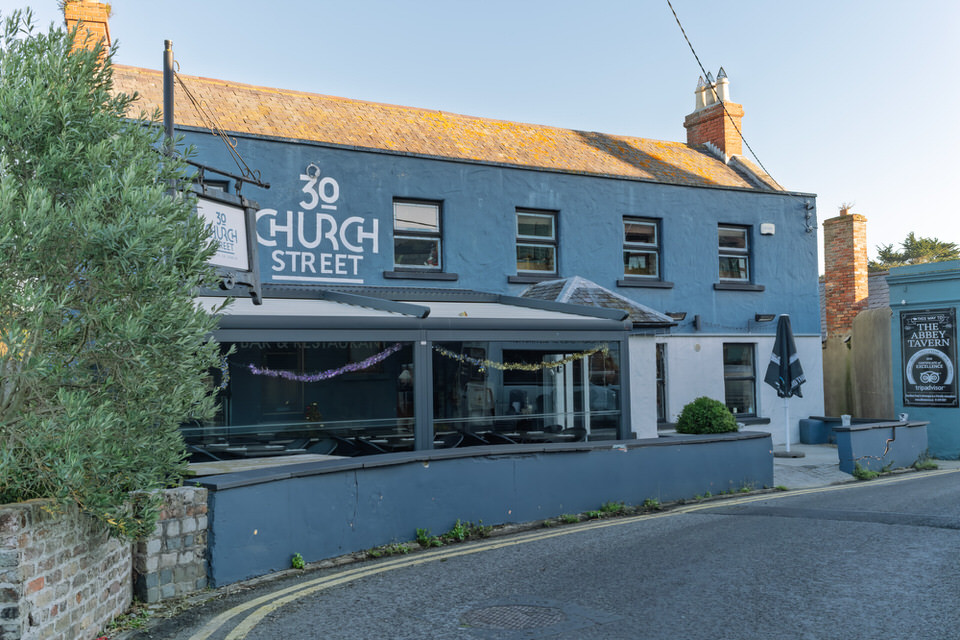
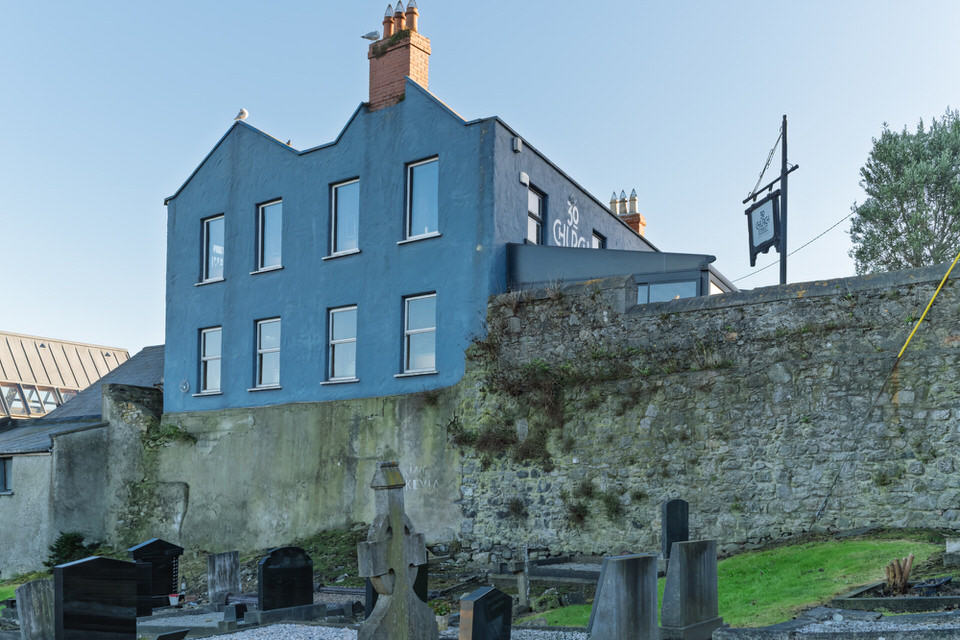
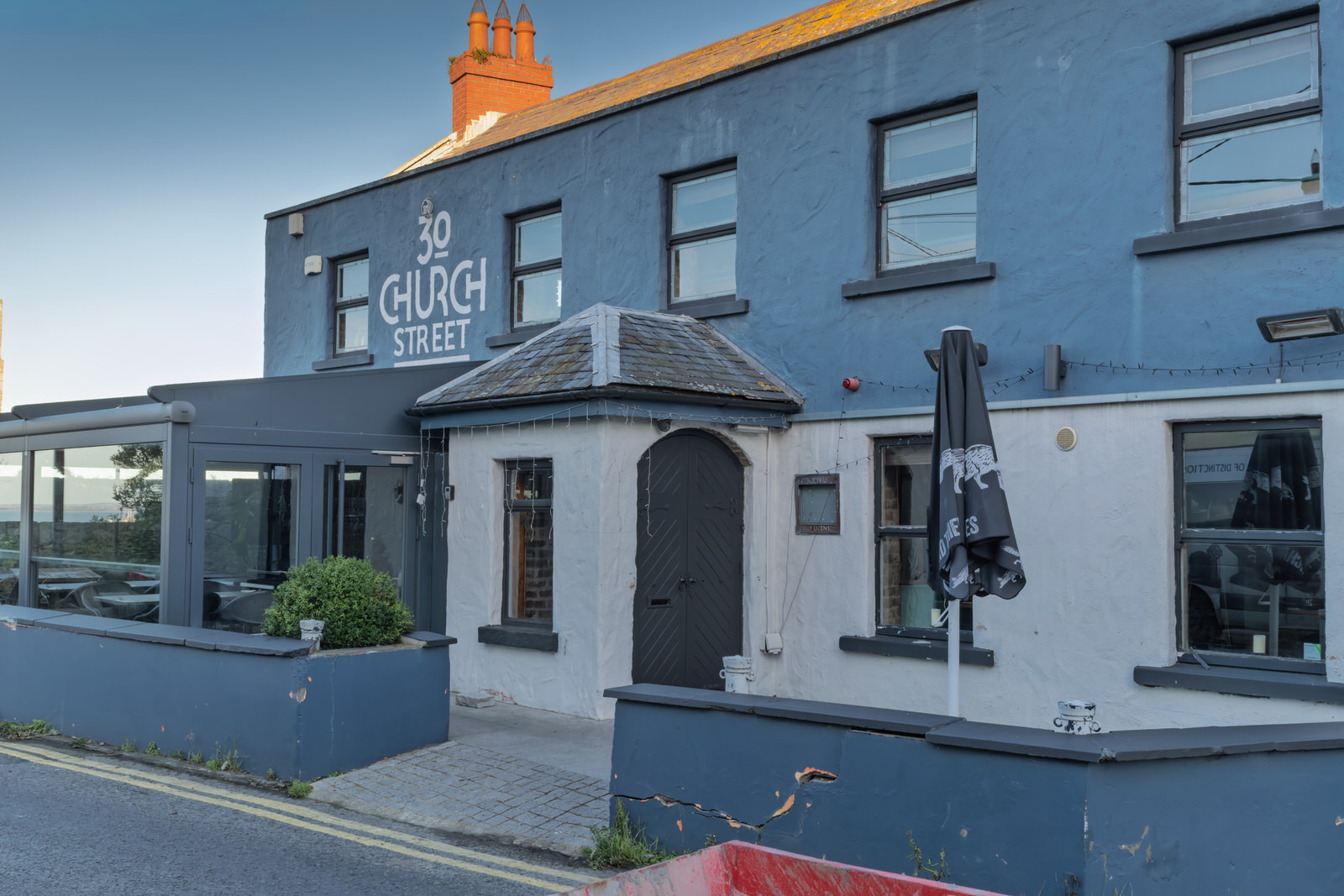
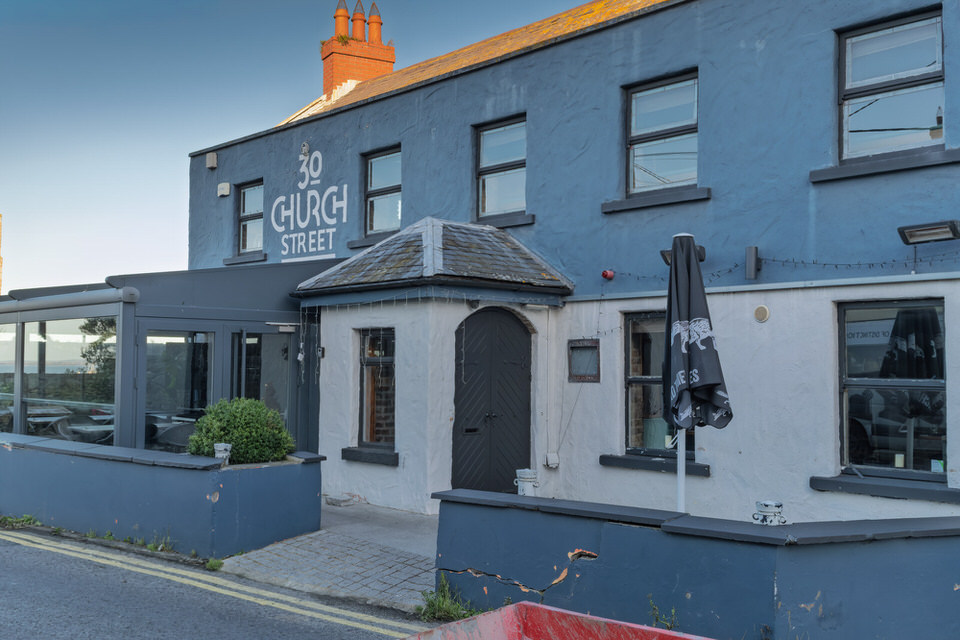
30 CHURCH STREET

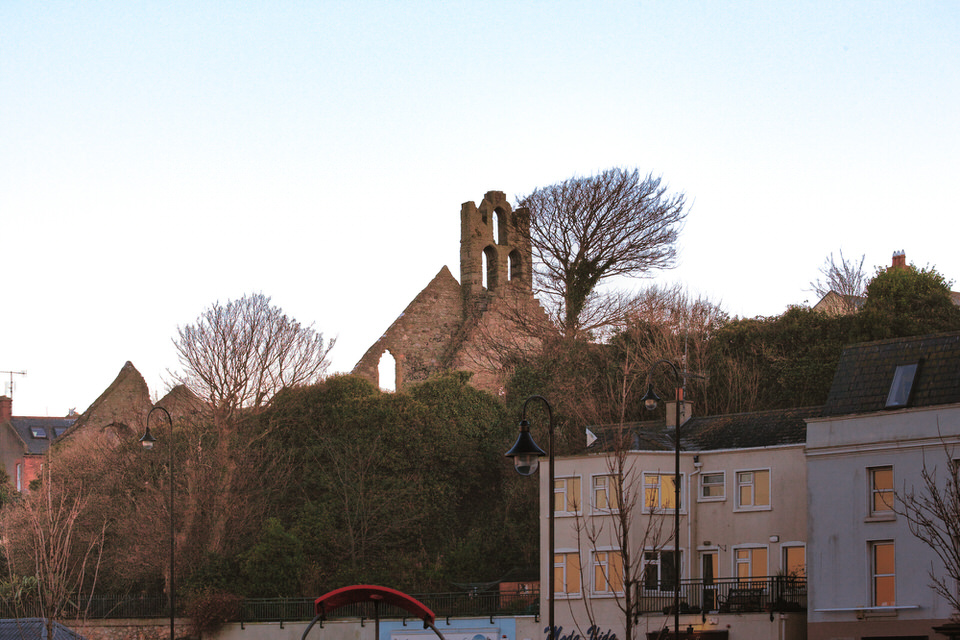
I had planned to have lunch at this restaurant in Howth today but I was unaware that they are closed on Mondays and Tuesdays so I gave up on the lunch idea and photographed St Mary's Abbey which is overlooked by the restaurant.

The address 30 Church Street in Howth has long been a fixture of the village's dining scene, but its identity has been famously fluid. For many years, locals and regular visitors joked that the restaurant at this location changed its name as frequently as the tides changed in the harbour.

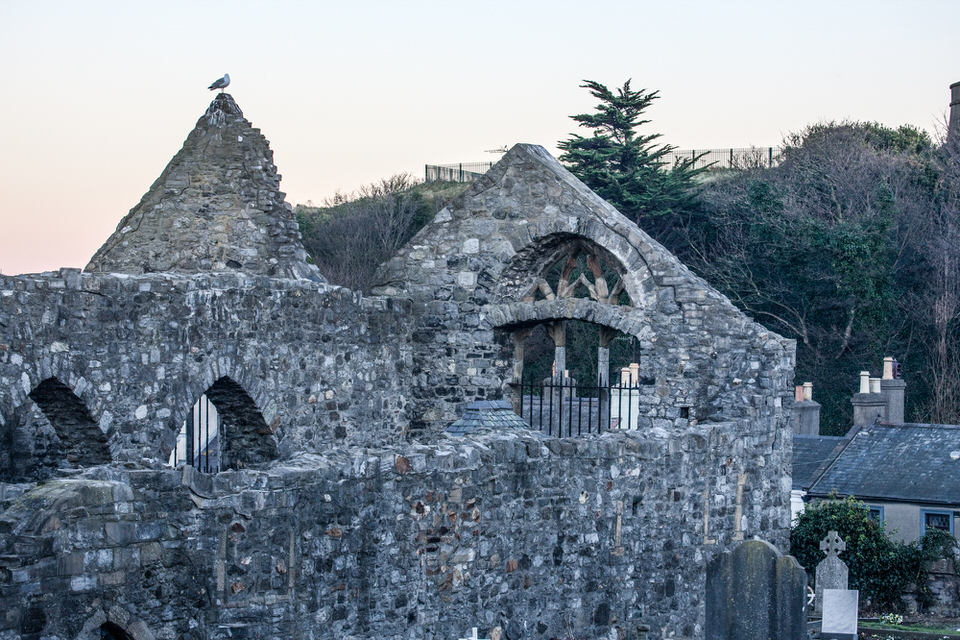
The rugged peninsula of Howth, just a short trip from Dublin city, offers no shortage of breathtaking views, but for a photographer, the ruined majesty of St. Mary's Abbey is a genuine treasure. I was there on 22 January 2018 to capture its crumbling stone walls and atmospheric graveyard, a location that offers both serene beauty and, as I’ve found, a touch of wild drama.
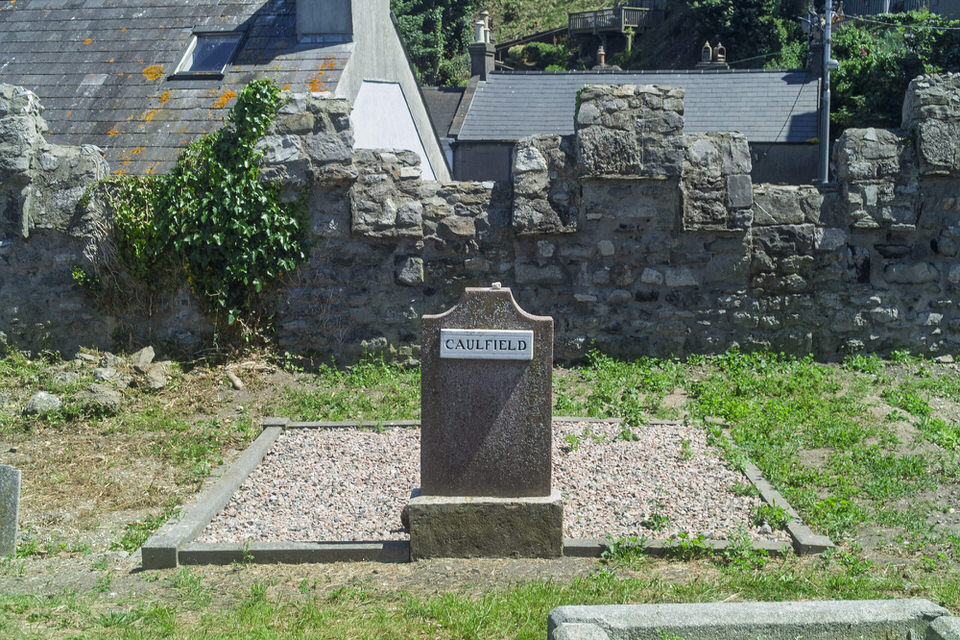
I USED A SIGMA DP2 CAMERA

ST MARY’S ABBEY

The present ruins of St. Mary's, perched dramatically above Howth village, mostly date back to the late 14th or early 15th century, though a church has stood on this spot since the Viking era of 1042. Wandering among the walls, you feel the weight of history, especially at the site of the splendid effigial tomb of Sir Christopher St. Lawrence, a 15th-century Baron of Howth. It’s a photographer’s dream, with intricate stonework framed by the expansive Irish sky.


RESTAURANT FOR SALE QUICK AND SIMPLE PHOTO GALLERY ABOUT 30 CHURCH STREET


30 CHURCH STREET

The premise, which is a historic building, was once home to a variety of eateries. One particularly well-remembered iteration was Pulcinella's Secret Restaurant, an authentic Italian pizzeria known for its stone-baked pizzas and classic pasta dishes. However, like its predecessors (including an early venue named The Big Blue), Pulcinella's eventually closed its doors.


FAST GALLERIES

PHOTOGRAPHS OF HOWTH

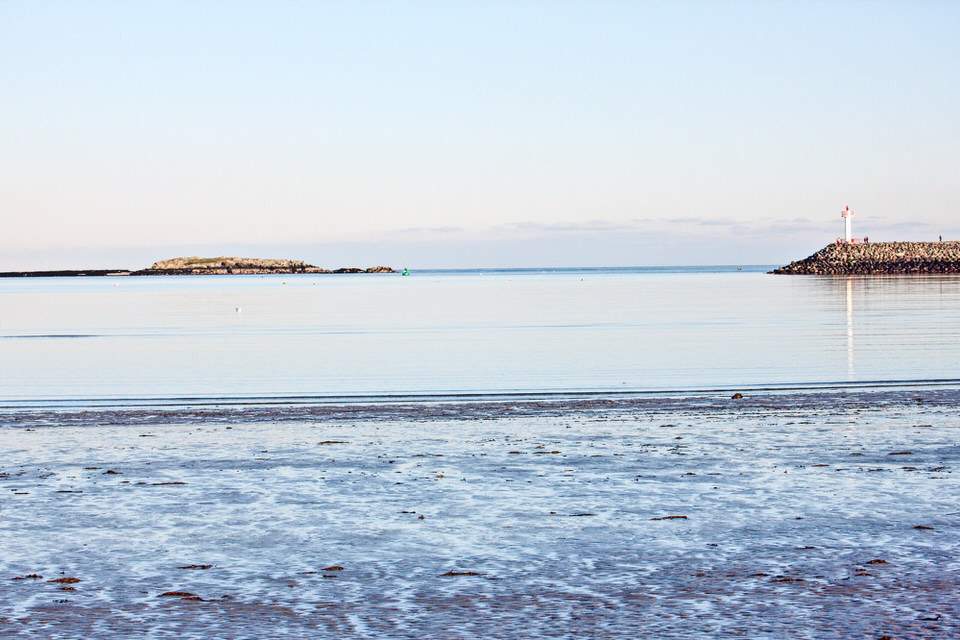
January 2009 Visit To Howth Village

These images were created with a Canon 1Ds MkIII. For those who remember the camera forums from that era, you'll know this body had a reputation for poor AF performance.

At the time, I was unaware that my specific camera was affected by a well-known (and later, recalled) hardware flaw in its autofocus system. This made the AF incredibly unreliable, especially for tracking subjects. If some images in this collection feel slightly less sharp than my current work, this is often the culprit.

Furthermore, you may notice that the shadow areas have a different character than my modern Sony images. Sensor technology from 2007, while top-of-the-line for its day, had far less dynamic range. When I "lift" the shadows on these older files, I'm pulling up a lot more noise and "grain" than you'd see from a modern camera. Rather than trying to scrub it all away and create a plastic-looking image, I've chosen to embrace it as part of the texture and history of that file.

These technical challenges were, in fact, the beginning of my journey to the Sony mirrorless system I use today.

It's a fascinating process to revisit these old files. It reminds me how far the technology has come, but also that a strong composition and moment will always shine through. I still own that 1Ds MkIII—and as it turns out, with manual focus, it still works beautifully as a studio camera!

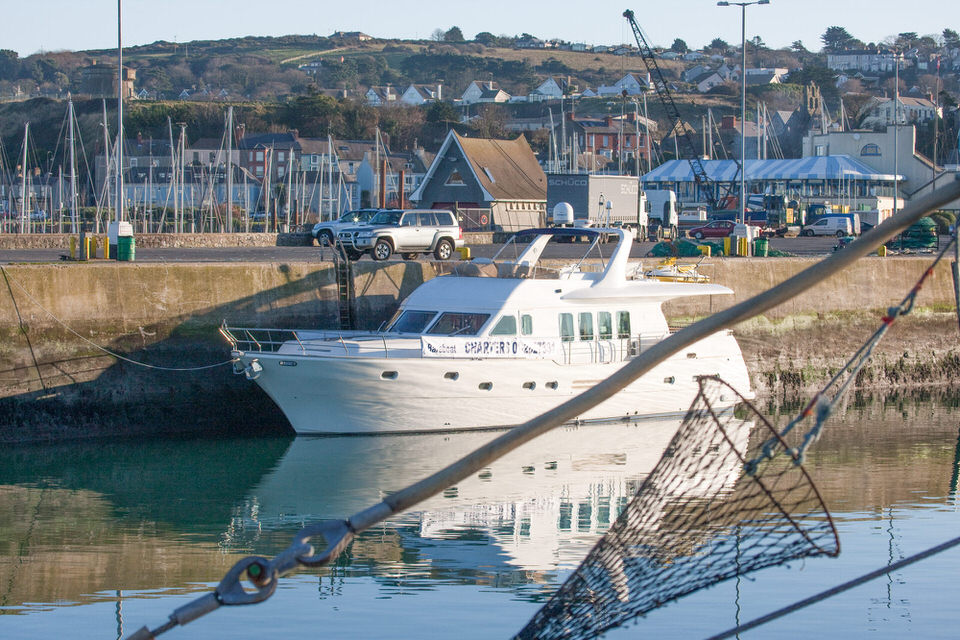
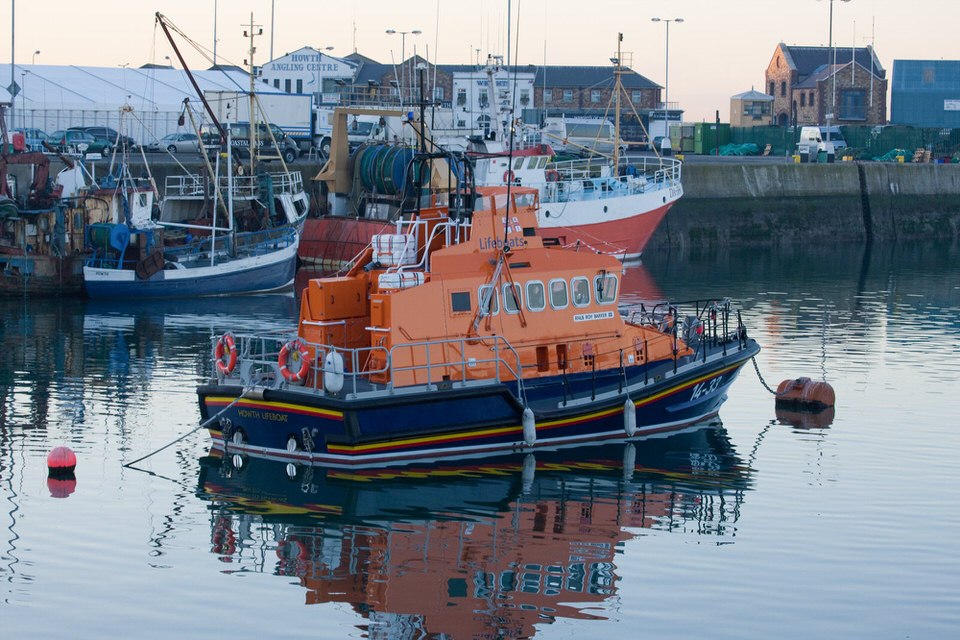
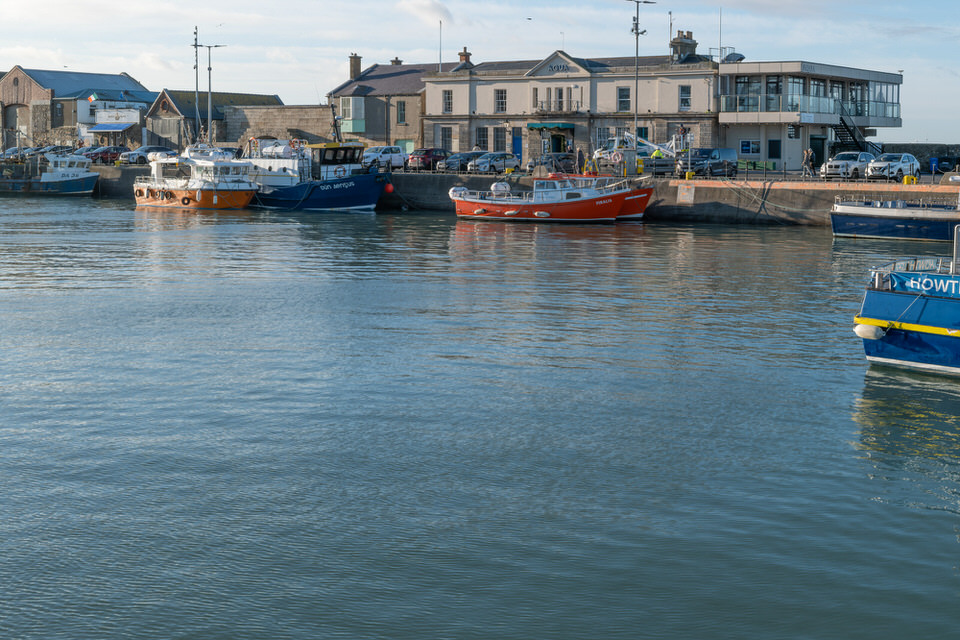
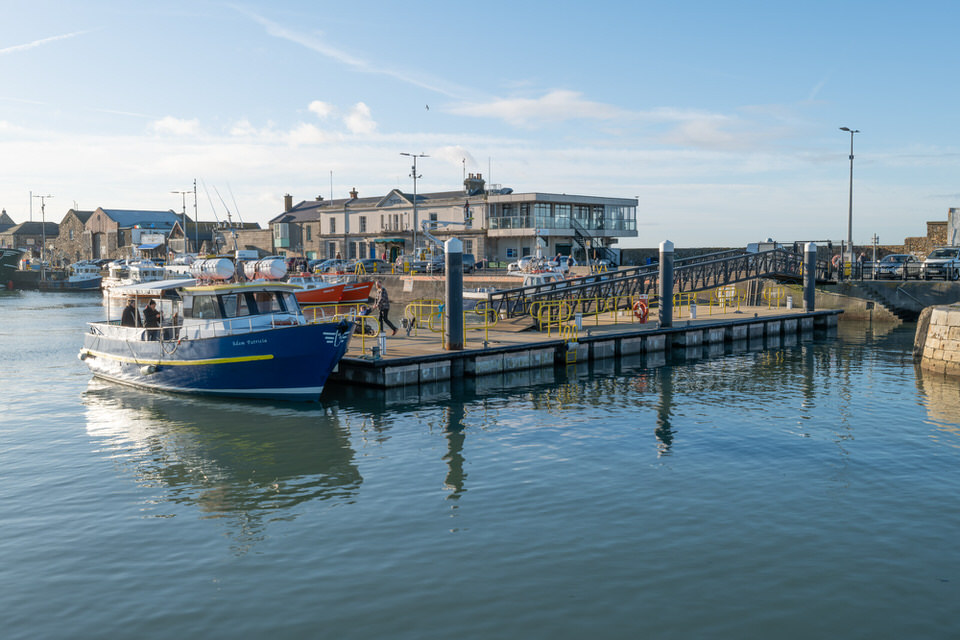
HOWTH HARBOUR JANUARY 2009 PHOTOGRAPHS OF THE HARBOUR THE RNLI LIFEBOAT

I USED A CANON 1Ds MKIII

THE RNLI LIFEBOAT

The lifeboat is named in memory of Mr Frederick Roy Barker. Mr. Barker, who was known as Roy, generously left his entire estate to the RNLI. His bequest was used to establish the Roy Barker Memorial Fund. The income from this fund has paid for several lifeboats over the years, with the Roy Barker III at Howth being the third such boat.

PHOTOGRAPHED 9 JANUARY 2009

ST MARY’S ABBEY

Historical Background

Viking Origins: The first church on this site was founded around 1042 by Sigtrygg (or Sitric), the Viking King of Dublin, who also founded the original church at Christ Church Cathedral.

Medieval Amalgamation: Around 1235, this early church was amalgamated with the monastery on the nearby island of Ireland's Eye. A new church was built on this site, founded by Luke, the Archbishop of Dublin, on land granted by Sir Almeric St. Lawrence.

Current Structure: Very little remains of these first two structures. The majority of the present-day ruins are from a late 14th or early 15th-century rebuilding. It was established as a collegiate church, meaning it was served by a college of three or more priests.

ST MARY’S ABBEY

REMASTERED PHOTOGRAPHS

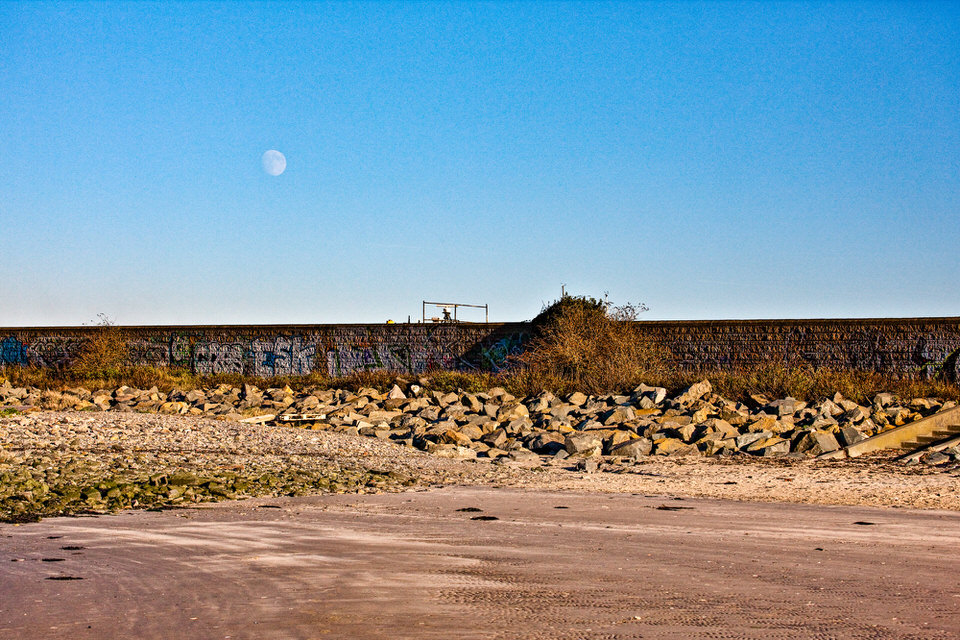
CHARLMONT BEACH

The name "Claremont" is not ancient and is linked to the 19th-century Victorian development of Howth. The beach almost certainly derives its name from Claremont Tower, a distinctive, castellated Martello-style tower located on the hill just above the beach.

This name is also associated with Howth Lodge, a nearby 19th-century building that once served as the summer home for the British viceroy. This building and its surrounding lands were eventually redeveloped into a complex of luxury apartments, and the area's name was reinforced by the large, modern "Claremont" residential development built on a former industrial site adjacent to the beach.

PHOTOGRAPHS OF CHARLMONT BEACH SECOND VISIT TO HOWTH JUNE 2009 JANUARY 2018 VISIT TO HOWTH

Legacy: January 2018 Visit To Howth

The rugged peninsula of Howth, just a short trip from Dublin city, offers no shortage of breathtaking views, but for a photographer, the ruined majesty of St. Mary's Abbey is a genuine treasure. I was there on 22 January 2018 to capture its crumbling stone walls and atmospheric graveyard, a location that offers both serene beauty and, as I’ve found, a touch of wild drama.
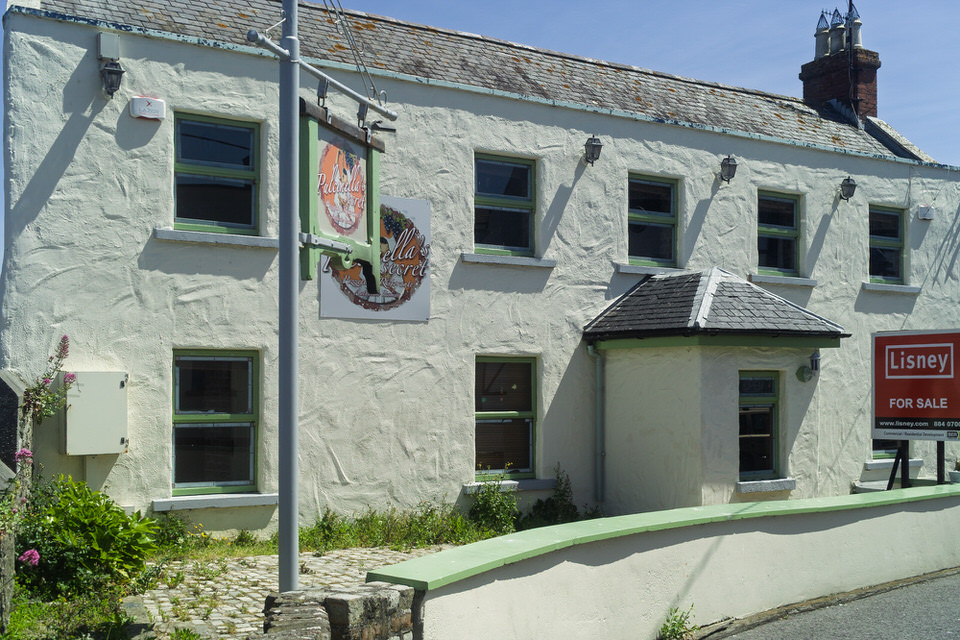
I USED A SIGMA DP2 CAMERA

ST MARY’S ABBEY

The present ruins of St. Mary's, perched dramatically above Howth village, mostly date back to the late 14th or early 15th century, though a church has stood on this spot since the Viking era of 1042. Wandering among the walls, you feel the weight of history, especially at the site of the splendid effigial tomb of Sir Christopher St. Lawrence, a 15th-century Baron of Howth. It’s a photographer’s dream, with intricate stonework framed by the expansive Irish sky.


RESTAURANT FOR SALE QUICK AND SIMPLE PHOTO GALLERY ABOUT 30 CHURCH STREET


30 CHURCH STREET

The premise, which is a historic building, was once home to a variety of eateries. One particularly well-remembered iteration was Pulcinella's Secret Restaurant, an authentic Italian pizzeria known for its stone-baked pizzas and classic pasta dishes. However, like its predecessors (including an early venue named The Big Blue), Pulcinella's eventually closed its doors.


LIMERICK QUICK AND SIMPLE PHOTO GALLERIES