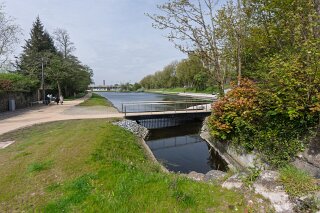
THE LEE FIELDS AREA OF CORK CITY
THE LEE FIELDS IN CORK [COIRT NA LAOI]
The riverside areas of the Mardyke and Lee Fields are connected by scenic walkways that transition from urban parkland to open river plains.While often visited together, Lee Fields Park is distinct from the Mardyke.
The Border: The transition occurs near the Kingsley Hotel and Victoria Cross. The Mardyke walk essentially ends as it reaches the outskirts of the UCC campus area and Fitzgerald Park, whereas the Lee Fields begin further west, continuing toward the Anglers Rest.
Distinct Character: The Mardyke is a more formal, urban promenade lined with mature trees and historical structures. In contrast, the Lee Fields offer a more open, rural feel with expansive grassy areas and river views, popular for walking and outdoor swimming.
The Lee Fields in Cork represent a significant intersection of the city’s natural geography and its industrial and social development. Located along the banks of the River Lee, this area has transitioned from a wild floodplain into a beloved public amenity and a focal point for the city’s water management history.
The River's Influence and Folklore
The history of the fields is inseparable from the River Lee itself, which has served as a lifeline for Cork for over 5,000 years.
Mythological Origins: Local legend attributes the name "Lee" to the Milesians, specifically Luighe, the son of Ith, who supposedly acquired the land centuries before the arrival of St. Finbarr.
The Sluice and Weir: A defining historical feature of the fields is the weir, which marks the boundary between the river's fresh water and its tidal waters. Historically, this point was critical for controlling the flow of the river as it split into the north and south channels that created the islands of the city centre.
Industrial and Victorian Landmarks
The northern skyline overlooking the fields is dominated by major Victorian-era engineering projects that reflect Cork's growth in the 18th and 19th centuries.
Old Cork Waterworks: Overlooking the fields from Lee Road, this site has supplied water to the city since the 1760s. The current buildings date to the 1800s and represent a time when water was pumped through wooden pipes to the city basin.
St. Kevin's Asylum: Etched into the skyline above the fields is the former Eglinton Lunatic Asylum (later St. Kevin's), which opened in 1852. Once the longest building in Ireland, its imposing Victorian Renaissance architecture remains a stark historical landmark.
Modern Social History
Throughout the 20th century, the Lee Fields evolved into a primary recreational space for the people of Cork, though not without challenges.
Recreation and Sports: The area became famous for "the die-hards" who swim in the river year-round. It also has a history of hosting unique events, including a motorcycle speed meeting in 1929 where speeds of 100 mph were recorded.
Flooding Legacy: As a natural floodplain, the fields have witnessed numerous historic floods. A notable Red Dragon sculpture stands in the park today, often partially submerged during high-water events, serving as a modern reminder of the river's power.
The riverside areas of the Mardyke and Lee Fields are connected by scenic walkways that transition from urban parkland to open river plains.While often visited together, Lee Fields Park is distinct from the Mardyke.
The Border: The transition occurs near the Kingsley Hotel and Victoria Cross. The Mardyke walk essentially ends as it reaches the outskirts of the UCC campus area and Fitzgerald Park, whereas the Lee Fields begin further west, continuing toward the Anglers Rest.
Distinct Character: The Mardyke is a more formal, urban promenade lined with mature trees and historical structures. In contrast, the Lee Fields offer a more open, rural feel with expansive grassy areas and river views, popular for walking and outdoor swimming.
The Lee Fields in Cork represent a significant intersection of the city’s natural geography and its industrial and social development. Located along the banks of the River Lee, this area has transitioned from a wild floodplain into a beloved public amenity and a focal point for the city’s water management history.
The River's Influence and Folklore
The history of the fields is inseparable from the River Lee itself, which has served as a lifeline for Cork for over 5,000 years.
Mythological Origins: Local legend attributes the name "Lee" to the Milesians, specifically Luighe, the son of Ith, who supposedly acquired the land centuries before the arrival of St. Finbarr.
The Sluice and Weir: A defining historical feature of the fields is the weir, which marks the boundary between the river's fresh water and its tidal waters. Historically, this point was critical for controlling the flow of the river as it split into the north and south channels that created the islands of the city centre.
Industrial and Victorian Landmarks
The northern skyline overlooking the fields is dominated by major Victorian-era engineering projects that reflect Cork's growth in the 18th and 19th centuries.
Old Cork Waterworks: Overlooking the fields from Lee Road, this site has supplied water to the city since the 1760s. The current buildings date to the 1800s and represent a time when water was pumped through wooden pipes to the city basin.
St. Kevin's Asylum: Etched into the skyline above the fields is the former Eglinton Lunatic Asylum (later St. Kevin's), which opened in 1852. Once the longest building in Ireland, its imposing Victorian Renaissance architecture remains a stark historical landmark.
Modern Social History
Throughout the 20th century, the Lee Fields evolved into a primary recreational space for the people of Cork, though not without challenges.
Recreation and Sports: The area became famous for "the die-hards" who swim in the river year-round. It also has a history of hosting unique events, including a motorcycle speed meeting in 1929 where speeds of 100 mph were recorded.
Flooding Legacy: As a natural floodplain, the fields have witnessed numerous historic floods. A notable Red Dragon sculpture stands in the park today, often partially submerged during high-water events, serving as a modern reminder of the river's power.
THE LEE FIELDS