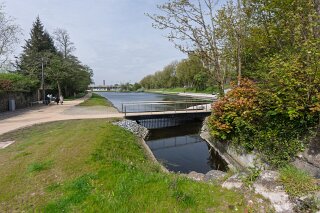
LADY OF LOURDES GROTTO IN BLACKROCK COUNTY CORK
The Marian Grotto in Blackrock, Cork, is more than just a religious monument; it is a profound symbol of the village's identity and its historically deep connection to the water.
History and Creation
The Our Lady of Lourdes Grotto was born from a community initiative in the late 1950s.
Founded: The foundation stone was laid on 26th March 1958.
The "Why": Its creation was prompted by the Centenary of the Apparitions at Lourdes (1858–1958). During this period, "Marian Year" (1954) fever was still high in Ireland, leading to the construction of grottos across the country. In Blackrock, a local committee was formed at the Blackrock Rowing Club to ensure the village had its own dedicated shrine.
Opening: It took over two years of volunteer labour and 105 committee meetings to complete. It was officially opened and blessed on 28th September 1960.
The Location: Why at the Pier?
The positioning of the Grotto at the end of the Marina, near the pier and harbour, was highly intentional:
The Fishermen’s Landmark: The site was chosen specifically because it was where local fishermen traditionally kept their boats during the winter months. Placing the Virgin Mary there was intended to offer protection to those working on the River Lee and Cork Harbour.
The Gateway: As the Marina was the primary promenade for Corkonians, the Grotto served as a spiritual "sentinel" at the entrance to the village for those arriving by foot or by boat.
Land Ownership and Maintenance
Public vs. Private: The Grotto sits on land that was originally acquired or designated with the cooperation of the local authorities (the Cork City Gardener at the time even provided the design advice). Today, it sits within the public realm of the Marina/Harbour area, which is managed by Cork City Council.
Maintenance: While the Council maintains the general surrounding area and the recent upgrades to the Marina plaza, the Grotto itself is lovingly looked after by the St Michael’s Parish community and local volunteers. It is common to see local residents tending to the flowers and ensuring the site remains pristine, reflecting the village's strong sense of "belonging."
History and Creation
The Our Lady of Lourdes Grotto was born from a community initiative in the late 1950s.
Founded: The foundation stone was laid on 26th March 1958.
The "Why": Its creation was prompted by the Centenary of the Apparitions at Lourdes (1858–1958). During this period, "Marian Year" (1954) fever was still high in Ireland, leading to the construction of grottos across the country. In Blackrock, a local committee was formed at the Blackrock Rowing Club to ensure the village had its own dedicated shrine.
Opening: It took over two years of volunteer labour and 105 committee meetings to complete. It was officially opened and blessed on 28th September 1960.
The Location: Why at the Pier?
The positioning of the Grotto at the end of the Marina, near the pier and harbour, was highly intentional:
The Fishermen’s Landmark: The site was chosen specifically because it was where local fishermen traditionally kept their boats during the winter months. Placing the Virgin Mary there was intended to offer protection to those working on the River Lee and Cork Harbour.
The Gateway: As the Marina was the primary promenade for Corkonians, the Grotto served as a spiritual "sentinel" at the entrance to the village for those arriving by foot or by boat.
Land Ownership and Maintenance
Public vs. Private: The Grotto sits on land that was originally acquired or designated with the cooperation of the local authorities (the Cork City Gardener at the time even provided the design advice). Today, it sits within the public realm of the Marina/Harbour area, which is managed by Cork City Council.
Maintenance: While the Council maintains the general surrounding area and the recent upgrades to the Marina plaza, the Grotto itself is lovingly looked after by the St Michael’s Parish community and local volunteers. It is common to see local residents tending to the flowers and ensuring the site remains pristine, reflecting the village's strong sense of "belonging."
BLACKROCK GROTTO