REPROCESSING MY 2009 CATALOG
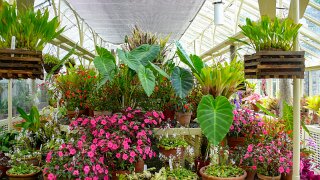
THE BOTANIC GARDENS AS IT WAS IN JULY 2009 [I USED A PANASONIC LUMIX DMC-LX2]
The National Botanic Gardens in Glasnevin, Dublin, remain one of Ireland’s premier botanical institutions and historic designed landscapes. Spanning nearly 20 hectares along the River Tolka, the gardens showcase historic Victorian glasshouses, extensive arboreta, formal borders, and crucial national research facilities including the National Herbarium.
Core Highlights & Overview
Architectural Heritage: Home to iconic wrought-iron glasshouses, most notably Richard Turner’s Curvilinear Range (1843–1869) and the Great Palm House (1884).
Botanical Collections: Features over 15,000 plant species and cultivars, encompassing systematic family plots (the Order Beds), the Rock Garden, native Irish flora zones (including Burren calcicolous plant displays), and extensive Rhododendron and conifer collections.
Research & Heritage: Houses the National Herbarium with over 600,000 dried plant specimens and serves as a focal point for plant conservation and education under the Office of Public Works (OPW).
Changes and Evolutions Since 2009
If you are comparing current views against photographs captured in 2009, the overall layout and core historic structures remain intact, but several specific architectural, horticultural, and infrastructural changes have taken place:
Glasshouse & Lodge Conservation:
While major structural restorations of the Curvilinear Range (1995) and the Great Palm House (2004) preceded 2009, subsequent rolling OPW conservation projects have addressed secondary structures, including maintenance of the Cactus & Succulent House, Alpine House, and ongoing refurbishment of the historic gate lodges and cast-iron entrance railings.
Tolka Riverbank & Flood Management:
Works along the northern perimeter by the River Tolka have modified path access, bank stabilisation, and riparian planting to manage seasonal water-level fluctuations.
Biodiversity & Naturalistic Management:
In line with national pollinator and biodiversity action frameworks, maintenance along meadows, woodland margins, and lawn borders has shifted noticeably towards reduced mowing schedules, wildflower integration, and expanded native habitat beds.
Art Installations & Displays:
The gardens regularly host seasonal outdoor art exhibitions (such as Sculpture in Context), which introduce temporary pieces, while various permanent sculptural additions and memorial tree placements have evolved across the lawns and wooded avenues over the past decade and a half.
Digitisation & Scientific Enhancements:
Behind the scenes, the Herbarium and visitor facilities have expanded digital access, with high-resolution specimen archiving initiatives (such as DigiHerb) documenting the historic collections.
So What About The Turtles?
The turtles found basking in the pond at the National Botanic Gardens (as well as sites like the Phoenix Park and The Lough in Cork) are pond sliders (Trachemys scripta, including red-eared and yellow-bellied sliders). These non-native terrapins were originally discarded pets dumped into public waterways when they outgrew domestic tanks. While Ireland's temperate climate prevents them from breeding successfully in the wild, adult terrapins are remarkably hardy and can survive in Irish ponds for decades.
The Regulatory Context & Removal
EU Invasive Alien Species (IAS) Regulation (1143/2014): All subspecies of pond sliders are formally designated as Invasive Species of Union Concern.
Duty to Eradicate / Control: Under Article 17 of EU Regulation 1143/2014, EU member states are required to apply rapid detection and eradication or management measures. The National Parks and Wildlife Service (NPWS) issued Early Detection Notifications to bodies managing public water features—including the Office of Public Works (OPW) for the Botanic Gardens—mandating their capture and removal.
Ecological Impact: Because adult terrapins are predatory and omnivorous, their presence in urban ponds disrupts native aquatic ecosystems. They compete with native waterfowl and aquatic life, prey on small fish, frogs, and waterbird chicks, disturb nesting sites by using them for basking, and carry potential pathogen risks.
Trapping and removal protocols are deployed by wildlife authorities and rescue organisations to humanely remove and rehome surviving specimens to secure, biosecure enclosures.
In practice, the situation is an ongoing operational challenge rather than a completed eradication.
Active Trapping and Removals: The Office of Public Works (OPW), in conjunction with the National Parks and Wildlife Service (NPWS) and local authorities under the Local Biodiversity Action Fund, has carried out targeted trapping programmes to capture and remove reported terrapins from the pond. Captured specimens are transferred to secure sanctuaries or captive care rather than culled.
Why They Still Occasionally Appear: Despite eradication mandates, complete clearance has proved difficult to maintain for two reasons:
Evasion: Pond sliders are wary, agile swimmers that dive into deep silt and dense aquatic vegetation at the slightest disturbance, making standard netting or basking traps tricky to execute reliably.
Re-introduction: The primary source is illegal domestic dumping. Even after existing individuals are trapped out, new unwanted pet turtles are occasionally released into the pond by members of the public.
While substantial removal efforts have taken place and official policy requires their extraction upon identification, occasional individual sliders still crop up basking on logs or island edges on warm summer days.
The National Botanic Gardens in Glasnevin, Dublin, remain one of Ireland’s premier botanical institutions and historic designed landscapes. Spanning nearly 20 hectares along the River Tolka, the gardens showcase historic Victorian glasshouses, extensive arboreta, formal borders, and crucial national research facilities including the National Herbarium.
Core Highlights & Overview
Architectural Heritage: Home to iconic wrought-iron glasshouses, most notably Richard Turner’s Curvilinear Range (1843–1869) and the Great Palm House (1884).
Botanical Collections: Features over 15,000 plant species and cultivars, encompassing systematic family plots (the Order Beds), the Rock Garden, native Irish flora zones (including Burren calcicolous plant displays), and extensive Rhododendron and conifer collections.
Research & Heritage: Houses the National Herbarium with over 600,000 dried plant specimens and serves as a focal point for plant conservation and education under the Office of Public Works (OPW).
Changes and Evolutions Since 2009
If you are comparing current views against photographs captured in 2009, the overall layout and core historic structures remain intact, but several specific architectural, horticultural, and infrastructural changes have taken place:
Glasshouse & Lodge Conservation:
While major structural restorations of the Curvilinear Range (1995) and the Great Palm House (2004) preceded 2009, subsequent rolling OPW conservation projects have addressed secondary structures, including maintenance of the Cactus & Succulent House, Alpine House, and ongoing refurbishment of the historic gate lodges and cast-iron entrance railings.
Tolka Riverbank & Flood Management:
Works along the northern perimeter by the River Tolka have modified path access, bank stabilisation, and riparian planting to manage seasonal water-level fluctuations.
Biodiversity & Naturalistic Management:
In line with national pollinator and biodiversity action frameworks, maintenance along meadows, woodland margins, and lawn borders has shifted noticeably towards reduced mowing schedules, wildflower integration, and expanded native habitat beds.
Art Installations & Displays:
The gardens regularly host seasonal outdoor art exhibitions (such as Sculpture in Context), which introduce temporary pieces, while various permanent sculptural additions and memorial tree placements have evolved across the lawns and wooded avenues over the past decade and a half.
Digitisation & Scientific Enhancements:
Behind the scenes, the Herbarium and visitor facilities have expanded digital access, with high-resolution specimen archiving initiatives (such as DigiHerb) documenting the historic collections.
So What About The Turtles?
The turtles found basking in the pond at the National Botanic Gardens (as well as sites like the Phoenix Park and The Lough in Cork) are pond sliders (Trachemys scripta, including red-eared and yellow-bellied sliders). These non-native terrapins were originally discarded pets dumped into public waterways when they outgrew domestic tanks. While Ireland's temperate climate prevents them from breeding successfully in the wild, adult terrapins are remarkably hardy and can survive in Irish ponds for decades.
The Regulatory Context & Removal
EU Invasive Alien Species (IAS) Regulation (1143/2014): All subspecies of pond sliders are formally designated as Invasive Species of Union Concern.
Duty to Eradicate / Control: Under Article 17 of EU Regulation 1143/2014, EU member states are required to apply rapid detection and eradication or management measures. The National Parks and Wildlife Service (NPWS) issued Early Detection Notifications to bodies managing public water features—including the Office of Public Works (OPW) for the Botanic Gardens—mandating their capture and removal.
Ecological Impact: Because adult terrapins are predatory and omnivorous, their presence in urban ponds disrupts native aquatic ecosystems. They compete with native waterfowl and aquatic life, prey on small fish, frogs, and waterbird chicks, disturb nesting sites by using them for basking, and carry potential pathogen risks.
Trapping and removal protocols are deployed by wildlife authorities and rescue organisations to humanely remove and rehome surviving specimens to secure, biosecure enclosures.
In practice, the situation is an ongoing operational challenge rather than a completed eradication.
Active Trapping and Removals: The Office of Public Works (OPW), in conjunction with the National Parks and Wildlife Service (NPWS) and local authorities under the Local Biodiversity Action Fund, has carried out targeted trapping programmes to capture and remove reported terrapins from the pond. Captured specimens are transferred to secure sanctuaries or captive care rather than culled.
Why They Still Occasionally Appear: Despite eradication mandates, complete clearance has proved difficult to maintain for two reasons:
Evasion: Pond sliders are wary, agile swimmers that dive into deep silt and dense aquatic vegetation at the slightest disturbance, making standard netting or basking traps tricky to execute reliably.
Re-introduction: The primary source is illegal domestic dumping. Even after existing individuals are trapped out, new unwanted pet turtles are occasionally released into the pond by members of the public.
While substantial removal efforts have taken place and official policy requires their extraction upon identification, occasional individual sliders still crop up basking on logs or island edges on warm summer days.
THE BOTANIC GARDENS