VIKING ECHOES AND MODERN SHADOWS IN D7
THE LAST REFUGE OF THE OSTMEN [VIKING ECHOES AND MODERN SHADOWS IN D7]
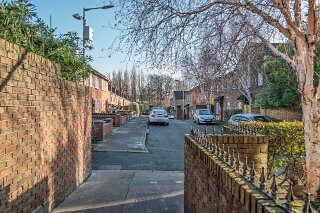
When you view my photographs you may be surprised to see the scale of the O'Devaney Gardens and its impact especially on Thor Place.
Stoneybatter is widely regarded as one of Dublin's most characterful neighbourhoods, a "village within the city" famed for its red-brick terraces and artisan dwellings. Yet, beneath the Victorian architecture lies a much older heritage, and rising above it is a contentious modern future.
The district surrounding Thor Place stands on the footprint of Oxmantown, the final stronghold of Dublin’s Vikings. Walking through these streets today reveals a fascinating layering of history: ancient Norse echoes enshrined in street names, the intimate social history of hidden green spaces, and the looming impact of the O'Devaney Gardens redevelopment.
Oxmantown: The City of the "Ostmen"
The history of this enclave began in conflict. Following the Anglo-Norman capture of Dublin in 1170, the city’s Hiberno-Norse population—known as the "Ostmen" or Men of the East—was expelled from the walled citadel. Displaced but not defeated, they crossed the River Liffey and established a new settlement on the north bank.
This settlement became Ostmanby (Oxmantown), a distinct suburb that maintained its own customs and autonomy for centuries. While the wooden longhouses of that era have vanished, the geography of the Viking settlement aligns closely with modern-day Stoneybatter and Smithfield.
A Cartographic Memorial
The Victorian and Edwardian town planners who built the current housing stock chose to honour this lineage through street names, creating a permanent "Viking Network" in stone and brick:
Thor Place: Named for the Norse god of thunder.
Sitric Road: A tribute to the Norse Kings of Dublin.
Olaf & Viking Roads: Direct references to the Scandinavian settlers.
Hidden Sanctuaries: Thor Place and Halliday Square
Amidst these historic names lie unique social experiments in urban living.
The green space at the centre of Thor Place offers a glimpse into the tight-knit community spirit of the 20th century. For decades, this gated "pocket park" carried a strict designation: it was reserved exclusively for Old Age Pensioners (OAPs). In a high-density neighbourhood, this rule ensured the community's elders had a peaceful sanctuary, safe from the noise of local children.
Nearby, Halliday Square represents the generosity of one resident, James Franey. A baker at Boland’s Mills, Franey purchased this plot to cultivate as an allotment. In 1997, rather than selling the land for development, he donated it to the Dublin Corporation. Today, it stands as a communal lung for the street, a permanent legacy of a baker who wanted to leave his neighbourhood greener than he found it.
The Shadow of O'Devaney Gardens
However, the character of this historic Viking enclave faces a new and dramatic challenge. The area has historically been defined by its low-rise, human-scale architecture—rows of single-storey, red-brick artisan cottages that have stood for generations.
This aesthetic is now being starkly contrasted by the massive redevelopment of O'Devaney Gardens. The new concrete and steel towers rising immediately behind the delicate Victorian streets have introduced a vertical disparity that many residents find jarring.
The Canyon Effect: The sheer scale of the new apartment blocks dwarfs the existing single-storey homes, creating what locals describe as a "canyon effect."
Loss of Light: Streets like Thor Place, which previously enjoyed open skies and natural light, now face the prospect of long shadows cast by the high-rise structures.
This juxtaposition creates a visual friction between the two eras of Dublin. The artisan cottages, built to house the workers of a bustling industrial city, represented a modest, community-focused approach to urban living. The looming towers of the new O'Devaney Gardens represent a modern drive for density, physically overshadowing the "village" feel that has defined Stoneybatter for over a century.
Conclusion
From the exiled "Ostmen" establishing a new life across the river to the pensioners of Thor Place, and now the residents living in the shadow of new developments, this pocket of Dublin 7 is defined by resilience. It is a place where history is not just found in books, but is written on the street signs, planted in the gardens, and contested in the changing skyline.
When you view my photographs you may be surprised to see the scale of the O'Devaney Gardens and its impact especially on Thor Place.
Stoneybatter is widely regarded as one of Dublin's most characterful neighbourhoods, a "village within the city" famed for its red-brick terraces and artisan dwellings. Yet, beneath the Victorian architecture lies a much older heritage, and rising above it is a contentious modern future.
The district surrounding Thor Place stands on the footprint of Oxmantown, the final stronghold of Dublin’s Vikings. Walking through these streets today reveals a fascinating layering of history: ancient Norse echoes enshrined in street names, the intimate social history of hidden green spaces, and the looming impact of the O'Devaney Gardens redevelopment.
Oxmantown: The City of the "Ostmen"
The history of this enclave began in conflict. Following the Anglo-Norman capture of Dublin in 1170, the city’s Hiberno-Norse population—known as the "Ostmen" or Men of the East—was expelled from the walled citadel. Displaced but not defeated, they crossed the River Liffey and established a new settlement on the north bank.
This settlement became Ostmanby (Oxmantown), a distinct suburb that maintained its own customs and autonomy for centuries. While the wooden longhouses of that era have vanished, the geography of the Viking settlement aligns closely with modern-day Stoneybatter and Smithfield.
A Cartographic Memorial
The Victorian and Edwardian town planners who built the current housing stock chose to honour this lineage through street names, creating a permanent "Viking Network" in stone and brick:
Thor Place: Named for the Norse god of thunder.
Sitric Road: A tribute to the Norse Kings of Dublin.
Olaf & Viking Roads: Direct references to the Scandinavian settlers.
Hidden Sanctuaries: Thor Place and Halliday Square
Amidst these historic names lie unique social experiments in urban living.
The green space at the centre of Thor Place offers a glimpse into the tight-knit community spirit of the 20th century. For decades, this gated "pocket park" carried a strict designation: it was reserved exclusively for Old Age Pensioners (OAPs). In a high-density neighbourhood, this rule ensured the community's elders had a peaceful sanctuary, safe from the noise of local children.
Nearby, Halliday Square represents the generosity of one resident, James Franey. A baker at Boland’s Mills, Franey purchased this plot to cultivate as an allotment. In 1997, rather than selling the land for development, he donated it to the Dublin Corporation. Today, it stands as a communal lung for the street, a permanent legacy of a baker who wanted to leave his neighbourhood greener than he found it.
The Shadow of O'Devaney Gardens
However, the character of this historic Viking enclave faces a new and dramatic challenge. The area has historically been defined by its low-rise, human-scale architecture—rows of single-storey, red-brick artisan cottages that have stood for generations.
This aesthetic is now being starkly contrasted by the massive redevelopment of O'Devaney Gardens. The new concrete and steel towers rising immediately behind the delicate Victorian streets have introduced a vertical disparity that many residents find jarring.
The Canyon Effect: The sheer scale of the new apartment blocks dwarfs the existing single-storey homes, creating what locals describe as a "canyon effect."
Loss of Light: Streets like Thor Place, which previously enjoyed open skies and natural light, now face the prospect of long shadows cast by the high-rise structures.
This juxtaposition creates a visual friction between the two eras of Dublin. The artisan cottages, built to house the workers of a bustling industrial city, represented a modest, community-focused approach to urban living. The looming towers of the new O'Devaney Gardens represent a modern drive for density, physically overshadowing the "village" feel that has defined Stoneybatter for over a century.
Conclusion
From the exiled "Ostmen" establishing a new life across the river to the pensioners of Thor Place, and now the residents living in the shadow of new developments, this pocket of Dublin 7 is defined by resilience. It is a place where history is not just found in books, but is written on the street signs, planted in the gardens, and contested in the changing skyline.
VIKING AREA