
Belfast Through the Lens: A Three-Day Street Photography Itinerary
Belfast, a city marked by its compelling history and dynamic contemporary spirit, offers a rich and varied landscape for the urban photographer. Beyond its well-documented political narratives, a vibrant and evolving city awaits, brimming with visual stories etched in its architecture, splashed across its walls, and sculpted in its public spaces. This itinerary is designed for a three-day exploration of Belfast through street photography, focusing on non-political subjects and **utilising** the city’s efficient public transport network to **maximise** photographic opportunities.
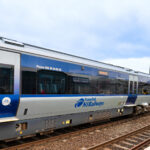
Navigating Belfast efficiently is key to making the most of your photography trip. The city’s public transport system provides a convenient way to access different areas of interest. The **Glider service**, a bus rapid transit system, operates along key corridors, offering frequent and rapid connections between East and West Belfast and the city **centre**. For example, the **G1 route** links the east and west, passing near significant locations like Belfast City Cemetery and Falls Park, while the **G2 route** provides a direct connection between the city **centre** and the Titanic Quarter. The extensive **Metro bus network** complements the Glider, reaching a wider range of destinations. For exploring areas slightly further afield or connecting between different parts of the city, the **train network** offers another viable option.
For photographers **utilising** public transport, a few practical considerations can enhance the experience. Firstly, ensure the safe and discreet carriage of camera equipment, particularly during busier times. Planning daily journeys in advance using **Translink’s journey planner** is highly advisable for efficient route selection and time management, crucial for **maximising** your dedicated photography hours. Opting for travel during off-peak times can also lead to more comfortable journeys and better opportunities to observe your surroundings. Furthermore, securing a window seat on a bus or Glider can occasionally present unique perspectives and fleeting moments of urban life worth capturing through the lens.
Day 1: Unveiling Belfast’s Canvas – Street Art & Public Art
Your first day focuses on Belfast’s vibrant and ever-changing street art scene and its diverse array of public art installations.
Morning: Cathedral Quarter Street Art
Begin your morning in the **Cathedral Quarter**, a district renowned for its high concentration of non-political street art. **St Anne’s Cathedral (Belfast Cathedral)** serves as a central starting point, its own architecture providing an initial subject. From here, the surrounding streets offer a rich tapestry of murals and artistic expressions.
- Explore **Hill Street** for notable pieces like Conor Harrington’s ‘The Duel of Belfast, Dance by Candlelight’ and Nomad Clan’s ‘Still Water’.
- **Talbot Street** is another prime location, potentially revealing MTO’s ‘The Son of Protagoras’ and Dan Kitchener’s ‘Blurry Eyed’.
- **North Street** might feature ‘Let Me Unsee’ by Asbestos, while **Kent Street** is home to Aches’ ‘Disruption’ and Rocket01’s ‘Star People’.
- A wander through **Union Street** promises a diverse collection of urban art.
- Don’t miss the narrow alleyways known as the “Entries”, such as **Pottinger’s Entry** and **Joy’s Entry**, which often **harbour** concentrated displays of street art, including Irony’s ‘Spirit of Commerce’ in Pottinger’s Entry.
- A visit to **Commercial Court**, with its iconic overhead “Umbrella Street” installation, provides a unique and **colourful** photographic opportunity.
Afternoon: Maritime Mile Public Art
After a lunch break in the Cathedral Quarter, transition to the **Maritime Mile** and the public art that graces this waterfront area. Starting at **Writer’s Square**, near St Anne’s Cathedral, the inscribed quotes from Belfast writers offer an interesting textual element for photography.
Follow the Public Art Trail along the Maritime Mile to discover several notable installations:
- The **Big Fish (Salmon of Knowledge)** on Donegall Quay, with its mosaic tiles depicting Belfast’s history, is a must-see.
- The series of **Glass of Thrones** stained-glass windows along Donegall Quay provides dramatic visual narratives inspired by the popular television series.
- The **Flying Angel** at Prince’s Dock Street stands as a symbol of the Seafarers’ Mission.
- The exterior of **Sinclair Seamen’s Presbyterian Church** in Corporation Square showcases distinctive maritime-themed architecture.
- Finally, **The Dividers** sculpture at Clarendon Dock frames compelling views of the city and the sea.
For those willing to extend their walk or **utilise** a short public transport connection from a city **centre** Glider stop, the **Titanic Quarter** offers further public art in the form of **The Kit** and **The Titanica**, both referencing Belfast’s rich shipbuilding heritage.
The density of street art within the Cathedral Quarter allows for a focused and rewarding morning. The subsequent exploration of the Maritime Mile offers a change of scale and theme, with public art providing diverse subjects against a waterfront backdrop. The inclusion of Writer’s Square introduces a literary dimension to the day’s visual journey. The existence of **organised** street art walking tours and virtual resources further suggests a vibrant and accessible scene, even for those opting for a self-guided approach.
Day 2: History in Stone – Churches & Cemeteries
Your second day delves into Belfast’s historical and architectural heritage through its significant churches and cemeteries.
Morning: City Centre Churches
The morning commences with a visit to **St. Anne’s Cathedral (Belfast Cathedral)** on Donegall Street. Its Romanesque Revival architecture, **characterised** by rounded arches and sturdy forms, along with its intricate mosaics and striking stained glass windows, offers numerous opportunities for detailed architectural shots and the interplay of light within the sacred space.
- A short walk leads to **First Presbyterian Church** on Rosemary Street. Founded in 1644, this historic church presents a different architectural style, reflecting centuries of history within the city **centre**. Its facade and the details within its grounds are worthy of photographic attention.
- Continuing your exploration, **St. Malachy’s Church** on Alfred Street showcases the beauty of Gothic Revival architecture, with its pointed arches, vaulted ceilings, and ornate details. The light filtering through its stained glass windows can create dramatic and evocative photographic moments.
- Finally, **Sinclair Seamen’s Presbyterian Church** in Corporation Square, near the Maritime Mile, offers a unique architectural style with distinct maritime-themed elements, providing a visual contrast to the other churches visited.
Afternoon: West Belfast Cemeteries
After a midday break, dedicate the afternoon to exploring the historically significant cemeteries of West Belfast. Take the **Glider G1** from a city **centre** stop towards West Belfast for a direct route to **Belfast City Cemetery** on the Falls Road. This expansive Victorian-era cemetery exudes a poignant atmosphere and features a remarkable collection of historical monuments, offering opportunities to photograph the artistry and symbolism of funerary architecture. Exploring the various sections and perhaps visiting the visitor **centre** can provide deeper insights into the notable figures buried here.
A relatively short walk or a quick local bus connection from Belfast City Cemetery leads to **Milltown Cemetery**, also located on the Falls Road. While sharing a historical context with Belfast City Cemetery, Milltown possesses its own distinct character and array of memorials, reflecting different aspects of Belfast’s past. Observing the variations in memorial styles and the overall ambience of this significant burial ground can yield compelling photographs.
This day’s itinerary focuses on the architectural and historical diversity of churches conveniently located within the city **centre**, allowing for efficient movement. The afternoon’s **utilisation** of the Glider G1 provides a direct and accessible link to the two major cemeteries in West Belfast, enabling a focused exploration. While your primary interest is in non-political subjects, the historical significance of these locations – such as Belfast City Cemetery as the city’s first municipal burial ground and Milltown Cemetery’s connections to notable figures in Irish history – adds a deeper narrative layer to your photographic endeavour. Capturing the atmosphere and the architectural details of the memorials can subtly convey this history without directly engaging with political imagery.
Day 3: Green Spaces and Grand Structures – Public Parks & Buildings of Interest
Your final day combines the tranquillity of Belfast’s public parks with the architectural grandeur of its notable buildings.
Morning: South Belfast’s Green & Academic Charm
Begin your morning in South Belfast with a visit to the **Botanic Gardens**. This Victorian-era park offers a diverse range of photographic subjects, from the iconic **Palm House** and the unique **Tropical Ravine** to the formal flower beds and the serene beauty of its mature trees. Keep an eye out for the **Living Mural at Colenso Parade**, a fascinating blend of art and ecological awareness.
Adjacent to the Botanic Gardens lies **Queen’s University Belfast**. The impressive architecture of the **Lanyon Building**, a striking example of Gothic Revival style, is a key focus. Exploring the university’s grounds may reveal interesting public art installations, and the dynamic interplay between the grand architecture and the energy of student life can also present unique street photography opportunities. If time permits, a brief visit to **Ormeau Park**, Belfast’s oldest municipal park located a short distance away, offers a contrast with its expansive open spaces and mature trees.
Afternoon: City Centre Landmarks & East Belfast’s Nature
Following a lunch break, shift to the city **centre** to photograph some of Belfast’s most iconic landmarks. **Belfast City Hall** in Donegall Square stands as a majestic example of Baroque Revival architecture. Capturing its impressive facade and exploring the surrounding grounds, which feature various memorials and statues, are worthwhile photographic pursuits.
- A short walk leads to the distinctive **Albert Memorial Clock** in Queen’s Square, often affectionately known as Belfast’s leaning tower. Its unique silhouette and Victorian detailing offer compelling photographic possibilities.
- Explore the architecture of the **Custom House** in Custom House Square, another significant historical building in the city **centre**.
- For a change of pace and scenery, take a trip to East Belfast (easily accessible via the Glider G1) to visit **Victoria Park**. This park provides a more natural landscape with its central lake, diverse wildlife, and the modern **Sam Thompson Bridge**, a pedestrian and cycle bridge connecting the park to the **Harbour Estate**.
Day 3 provides a balanced exploration of both natural and architectural landmarks. The morning in South Belfast combines the serene beauty of parks with the academic grandeur of Queen’s University, while the afternoon focuses on the iconic buildings of the city **centre** and the more expansive and natural setting of Victoria Park. This offers a diverse range of subjects for photographic capture. The Tropical Ravine within Botanic Gardens presents a unique opportunity for indoor photography, offering a different perspective from typical street photography with its controlled light and exotic plant life.
Bridges of Belfast
Belfast’s bridges, spanning the River Lagan, offer a diverse range of architectural styles and vantage points for capturing the city’s character and its relationship with the waterway. Integrating bridge photography into your daily itineraries can provide a connecting thread between different locations or serve as a focused photographic theme.
- The modern **Lagan Weir Footbridge**, linking Donegall Quay and Queen’s Quay, offers a sleek design and excellent views of the river and the city skyline. Its nighttime illumination also presents opportunities for capturing the city’s atmosphere after dark.
- The historic **Queen Elizabeth II Bridge** and the adjacent **Queen’s Bridge** showcase different architectural styles and hold significant places in the city’s infrastructure.
- **Albert Bridge**, with its distinctive flat arches and cast iron details, provides another interesting subject.
- The **Lagan Railway Bridge**, with its industrial feel, can be photographed from a distance or its accompanying pedestrian walkway.
- In East Belfast, the contemporary **Sam Thompson Bridge** offers a modern design within the context of Victoria Park and the **Harbour Estate**.
Tips for Successful Street Photography in Belfast
Throughout your three days, remember these tips to **maximise** your photographic results:
- **Pay attention to the quality of light:** The “golden hours” of early morning and late afternoon can beautifully illuminate the city’s features. Be mindful of the strong shadows created by harsh midday sun.
- **Cultivate observation:** Develop the skill of observing and capturing candid moments; these often reveal the true character of a place.
- **Engage when comfortable:** Don’t hesitate to interact with the environment and people if you feel comfortable, as this can sometimes lead to unique photographic opportunities.
- **Experiment with composition:** **Utilise** various compositional techniques to frame your shots effectively, such as leading lines and the rule of thirds.
- **Explore perspectives:** Look for different angles to create more dynamic and engaging images.
- **Prioritise safety:** Always be aware of your surroundings and ensure the safety of yourself and your equipment.
- **Revisit locations:** Consider revisiting locations at different times of the day, as changing light can dramatically alter the visual appeal of a scene.
Conclusion: Capturing the Essence of Belfast
Belfast offers a compelling and multifaceted subject for street photography, extending far beyond its well-known political history. The city’s vibrant street art, its diverse public art installations, its historically and architecturally significant churches and cemeteries, its welcoming public parks, its grand buildings, and its distinctive bridges all contribute to a rich visual narrative waiting to be captured. This itinerary provides a framework for a three-day exploration, but the most rewarding photographic experiences often arise from spontaneous discoveries and a willingness to venture off the planned route. Embrace the opportunity to explore, observe, and ultimately, capture the unique essence of Belfast through your own photographic lens.
Additional Information: Street Art, Churches & Public Art Highlights
Here is a detailed list of key points from the itinerary, providing more specific examples and locations:
Notable Street Art Locations and Examples:
- Cathedral Quarter: ‘Belfast Chef’ by Smug
- Cathedral Quarter: ‘The Duel of Belfast, Dance by Candlelight’ by Conor Harrington
- Talbot Street: ‘The Son of Protagoras’ by MTO
- North Street: ‘Let Me Unsee’ by Asbestos
- Pottinger’s Entry: ‘Spirit of Commerce’ by Irony
- Dunbar Link: ‘Deep Love’ by ADW
- Harrow Street: ‘Sunflower for Peace’ by Emic
- Hill Street: ‘Still Waters’ by Nomad Clan
- Gresham Street: ‘Forzan’ by Sancho Medina
- High Street Court: ‘Lobster Pot’ by SMUG
- Linenhall Street: ‘Shaping Ideas’ by Sophie Mess
- James St South: ‘Belfast Spring’ by Studio Giftig
- Great Victoria St: ‘Flying High’ by Annatomix
- Kent Street: ‘Disruption’ by Aches
- Donegall Street: ‘Squirrel’ by R.O.A
Key Churches and Their Details:
- St. Anne’s Cathedral (Belfast Cathedral): Located on Donegall Street. Features Romanesque Revival style with notable mosaics, stained glass windows, and a dome.
- First Presbyterian Church: Found on Rosemary Street. A historic Classical style church founded in 1644, known for its simple elegance and historical significance.
- St. Malachy’s Church: Situated on Alfred Street. A beautiful example of Gothic Revival architecture with an ornate interior, vaulted ceilings, and stunning stained glass.
- Sinclair Seamen’s Presbyterian Church: Located in Corporation Square. Distinctive Scottish Baronial style featuring unique maritime-themed details.
Selected Public Art Installations:
- **The Big Fish (Salmon of Knowledge):** By John Kindness on Donegall Quay.
- **Glass of Thrones:** By Tourism Ireland along Donegall Quay.
- **The Flying Angel:** By Maurice Harron at Prince’s Dock St.
- **The Dividers:** By Vivien Burnside at Clarendon Dock.
- **The Kit:** By Tony Stallard at Abercorn Basin.
- **The Titanica:** By Rowan Gillespie at Titanic Belfast.
- **Beacon of Hope:** By Andy Scott at Thanksgiving Square.
- **Spirit of Belfast:** By Dan George at Cornmarket.